Start Here
New to fragrance, or just want a refresher? Here's where to begin — the basics, the ingredients, the practical answers, and the bigger trends shaping how people buy perfume right now.
Perfume Strengths: 5 Levels Explained
Parfum, Eau de Parfum, Eau de Toilette, and Cologne differ in fragrance oil concentration, which directly affects how long a scent lasts and what it costs.
Read article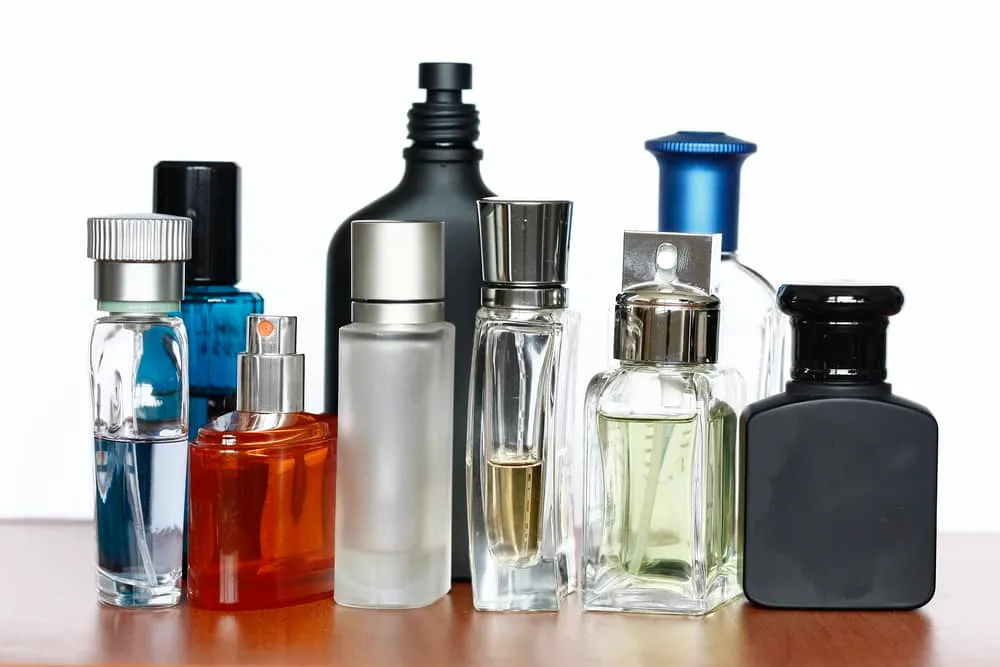
The Basics
The vocabulary, the categories, the conventions. Read these first.
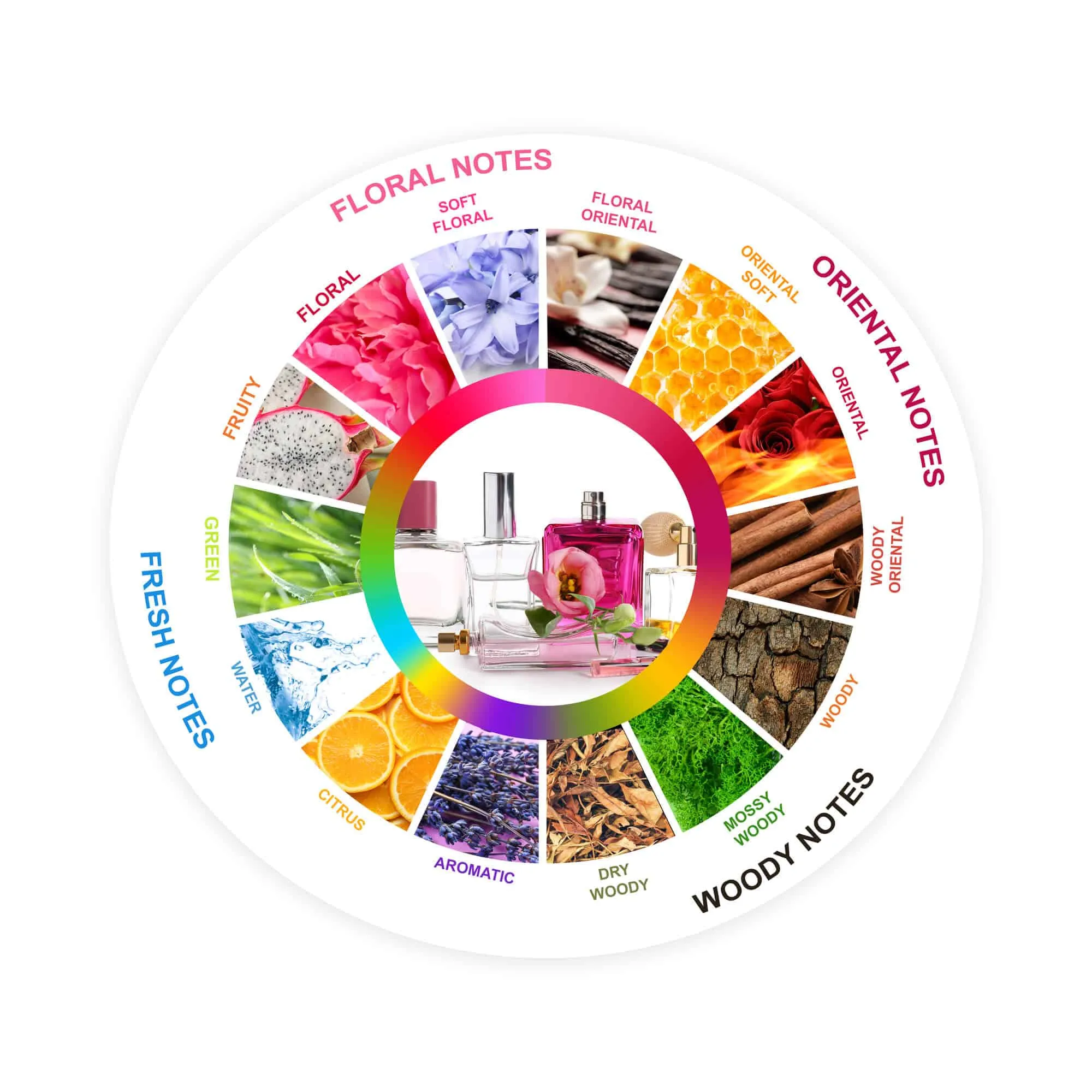
The Fragrance Wheel: 4 Main Perfume Families Explained
The four main fragrance families — Oriental, Woody, Floral, and Fresh — explained with examples, plus gourmand, chypre, and other ways to classify scents.
What Is a Niche Fragrance?
Niche fragrances are made by specialist perfume houses in small batches, sold through limited outlets, and prized for artistic expression over mass appeal.
What Does Cologne Mean?
Cologne comes from the German city where Italian perfumer Giovanni Maria Farina invented the formula in 1709 — here's how the name spread and split in meaning.

What Is Toilette Spray? Let's Clear Up Any Confusion
Eau de Toilette explained: what the term means, how its oil concentration differs from Eau de Parfum and Cologne, and when to wear each.

What Does Aftershave Do?
Aftershave does more than add fragrance — it tightens pores, prevents razor burn, and protects freshly shaved skin. The full range of benefits inside.
Notes & Ingredients
What specific notes actually smell like — the ingredients you keep seeing in fragrance descriptions.
What is Musk in Perfume: The Scent of Desire
Musk is one of perfumery's oldest ingredients — a guide to its origins, shift from animal to synthetic sources, and role in modern fragrances.
What Is Oud Perfume? Read More About This Unique Oil
Oud comes from agarwood resin produced when Aquilaria trees fight mold infection — one of perfumery's rarest and most expensive ingredients.
Patchouli Oil: What Does It Smell Like?
Patchouli oil has an earthy, woody, musky scent with sweet and spicy undertones — here is where it comes from, how it smells, and what it is used for.
What Does Eucalyptus Smell Like?
Eucalyptus has a fresh, woody, slightly medicinal scent with cooling and earthy undertones — why it smells that way and how it's used in fragrance.
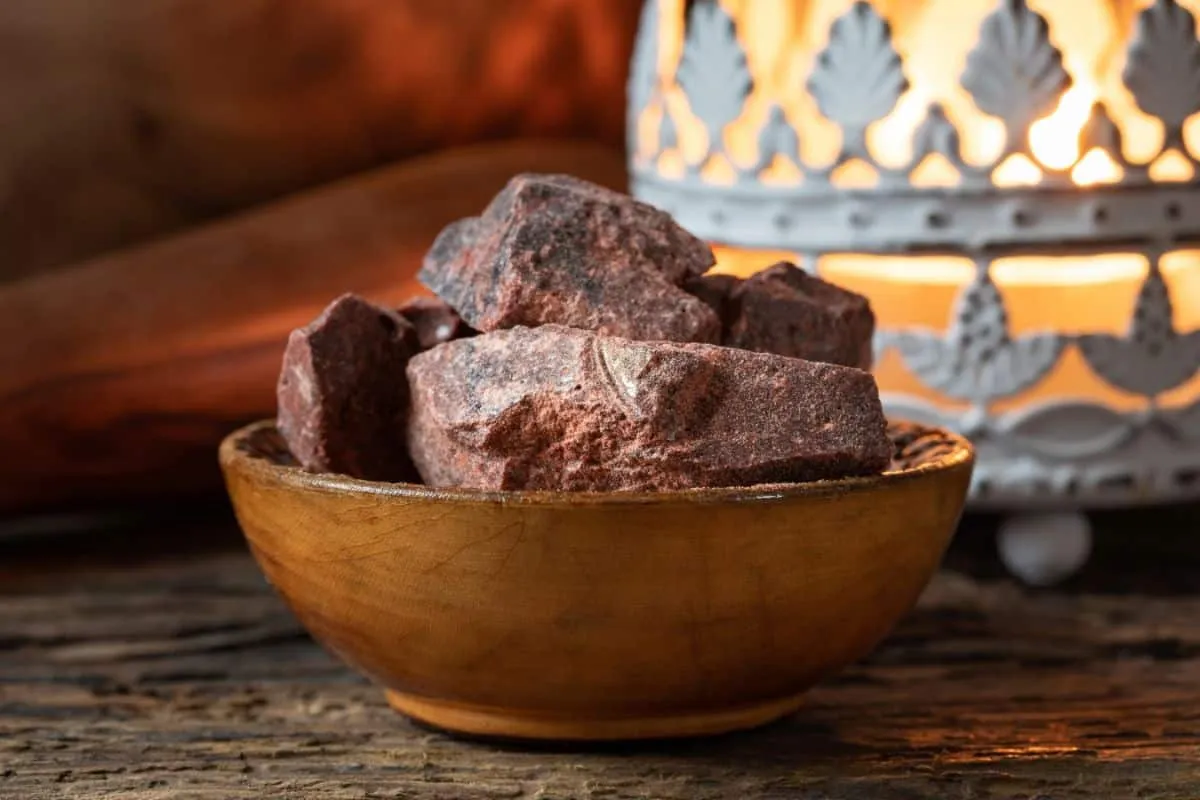
What Does Dragon's Blood Smell Like?
What Dragon's Blood resin actually is, where it comes from, what it smells like in perfumes, and whether it skews masculine or feminine.
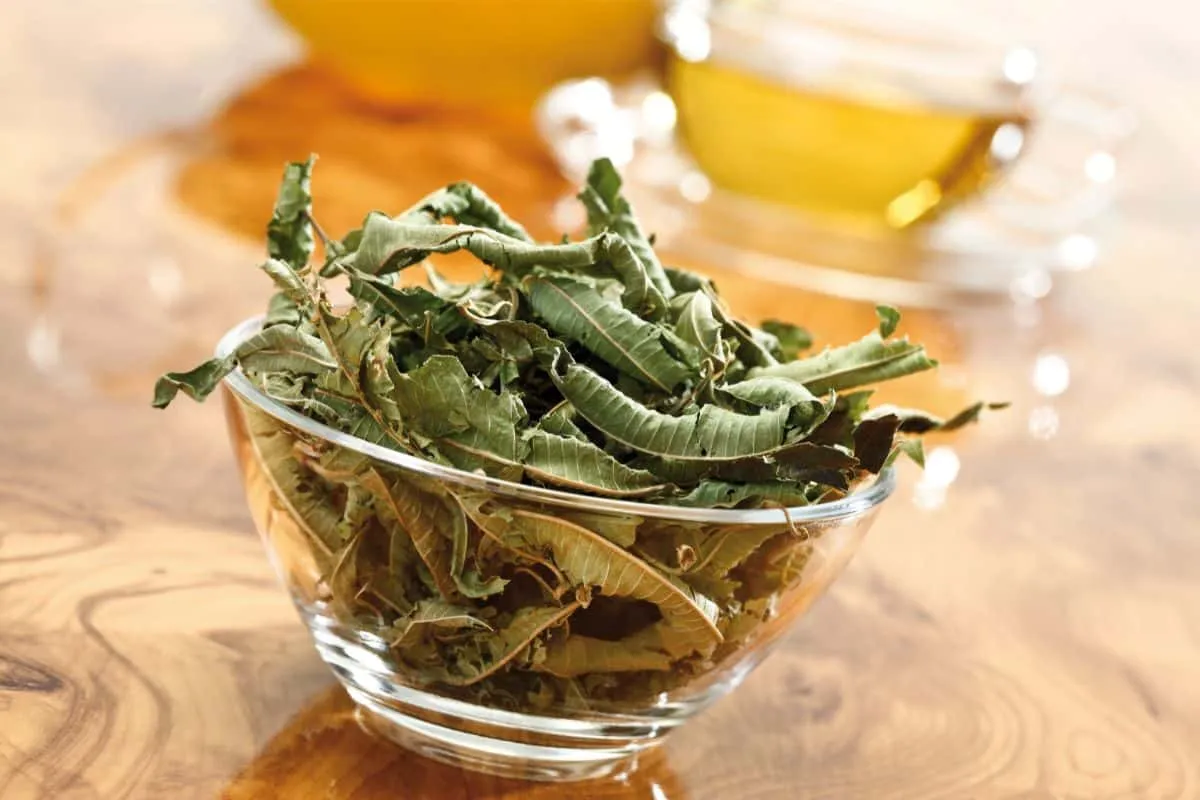
What Is Verbena Scent? (The Underrated Essential Oil!)
Verbena smells like bright, clean lemon with citronella undertones. Here's what makes it unique, what it pairs with, and why it's expensive to produce.
How It Works
The chemistry, the cost, the curiosities. Why perfume does what it does.
How Long Does Perfume Last?
Why perfume eventually expires, how storage and ingredient type affect shelf life, and three reliable ways to tell if a bottle has gone bad before you wear it.
What Ingredient Makes Perfumes Last?
Perfume longevity depends on fixatives and low-volatility ingredients like musk, amber, and jasmine — here is how perfumers use chemistry to make scents last.
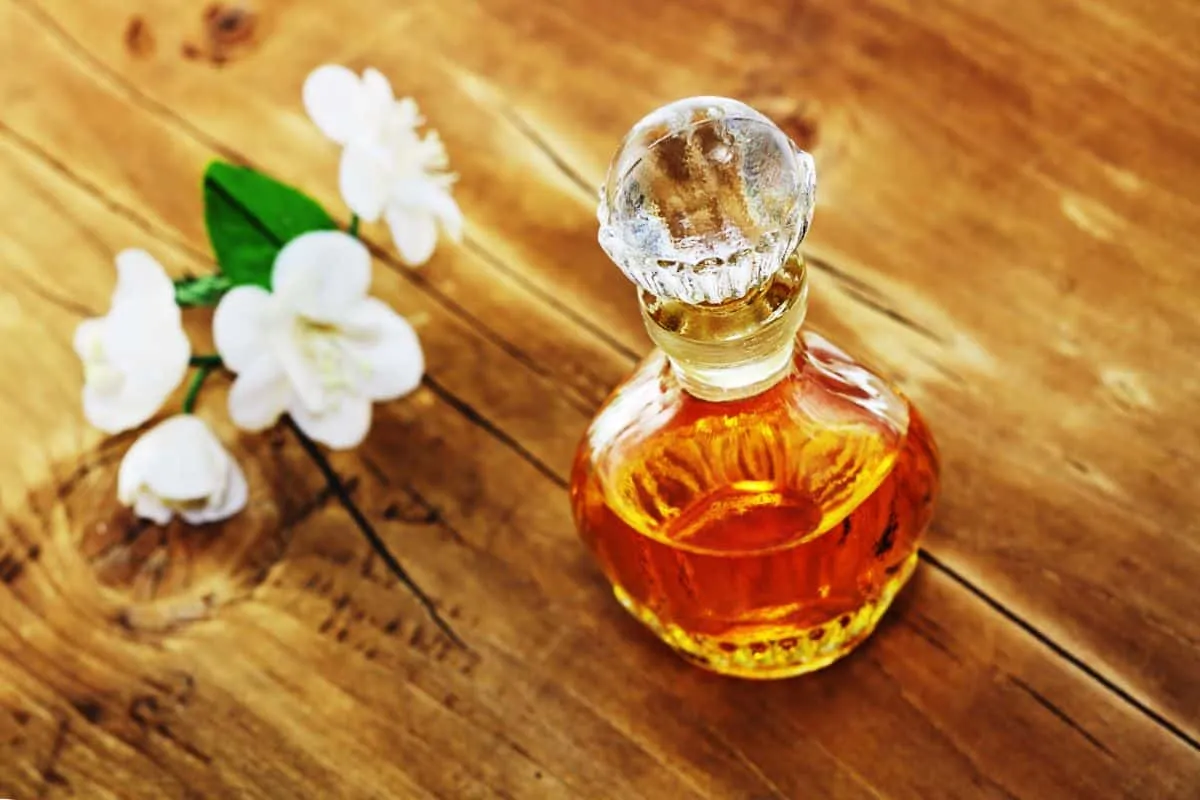
Why Is Perfume So Expensive?
Rare raw materials, complex supply chains, costly marketing, and luxury packaging all drive up the price of perfume, even before brand prestige is factored in.
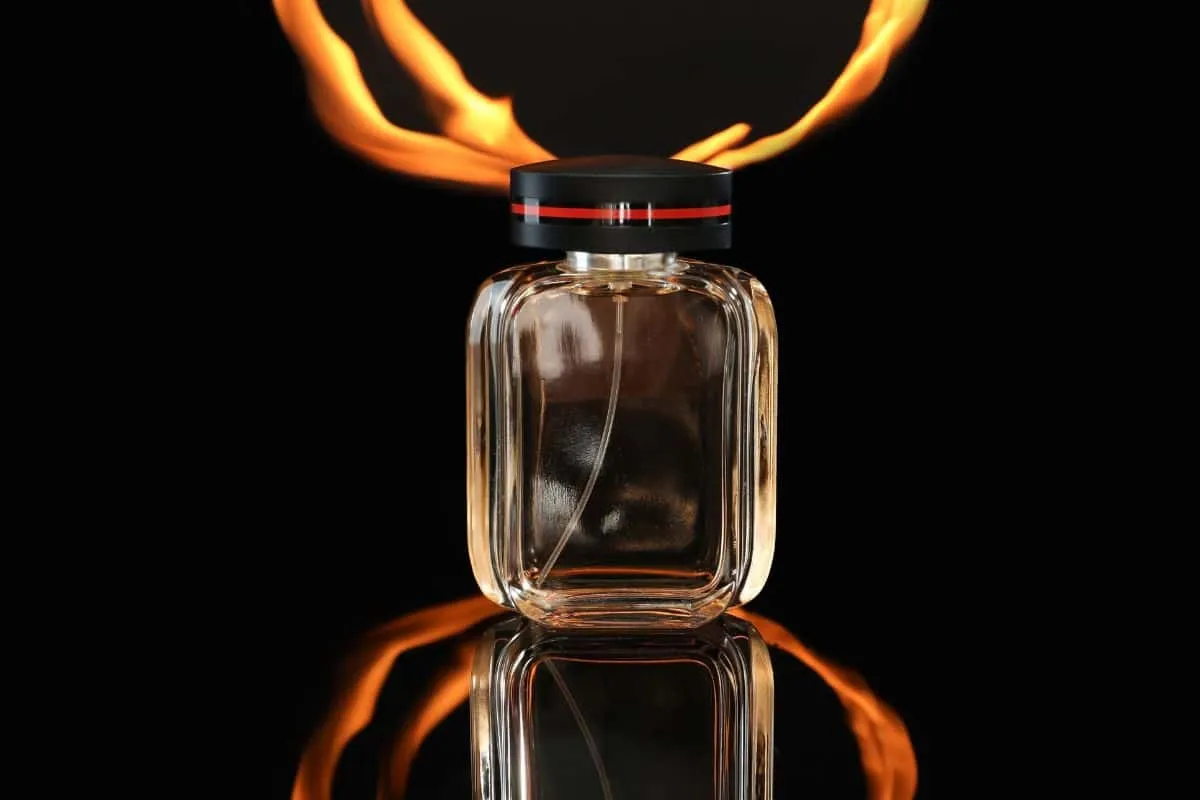
Is Perfume Flammable?
Most perfumes contain up to 95% alcohol by volume, which makes them genuinely flammable — here is what that means for safe storage and application.
Practical How-Tos
Storing, applying, decanting, travelling. The everyday questions.
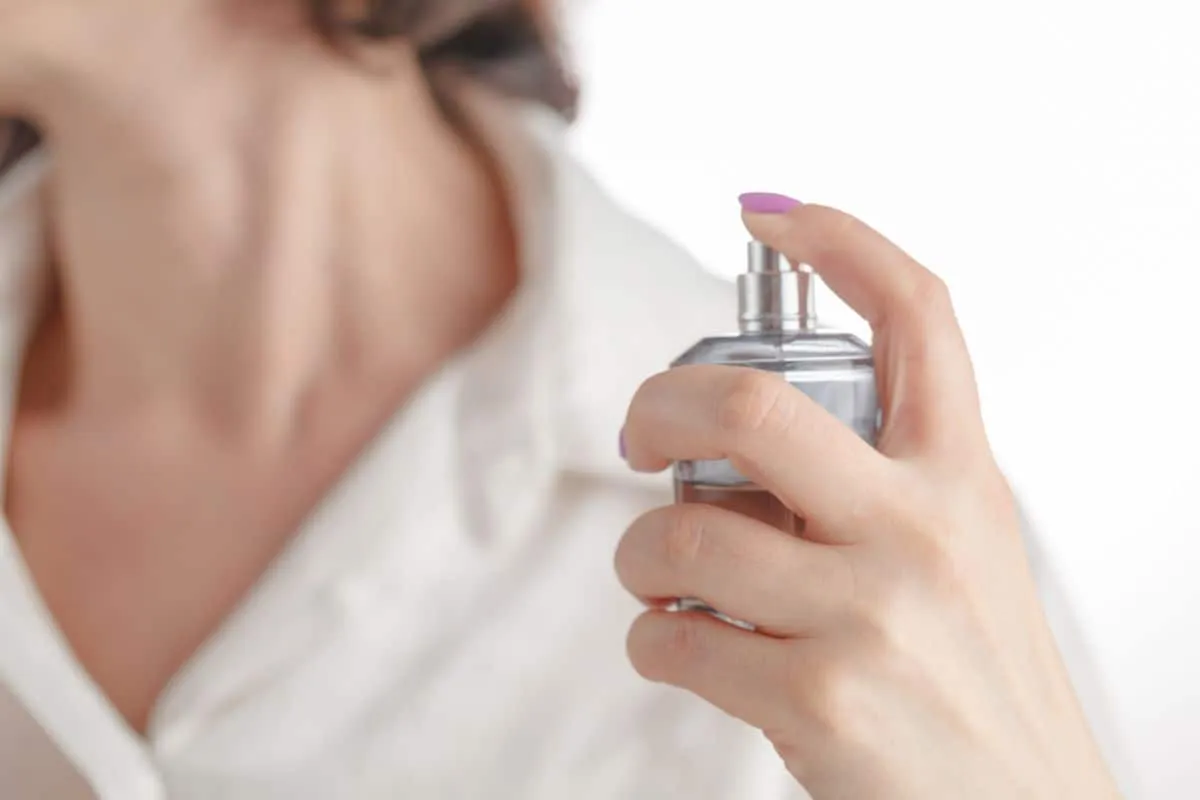
How To Wear Cologne
Where to spray, how much to use, when to apply, and how to pick a cologne that works with your skin — a practical guide for getting it right.
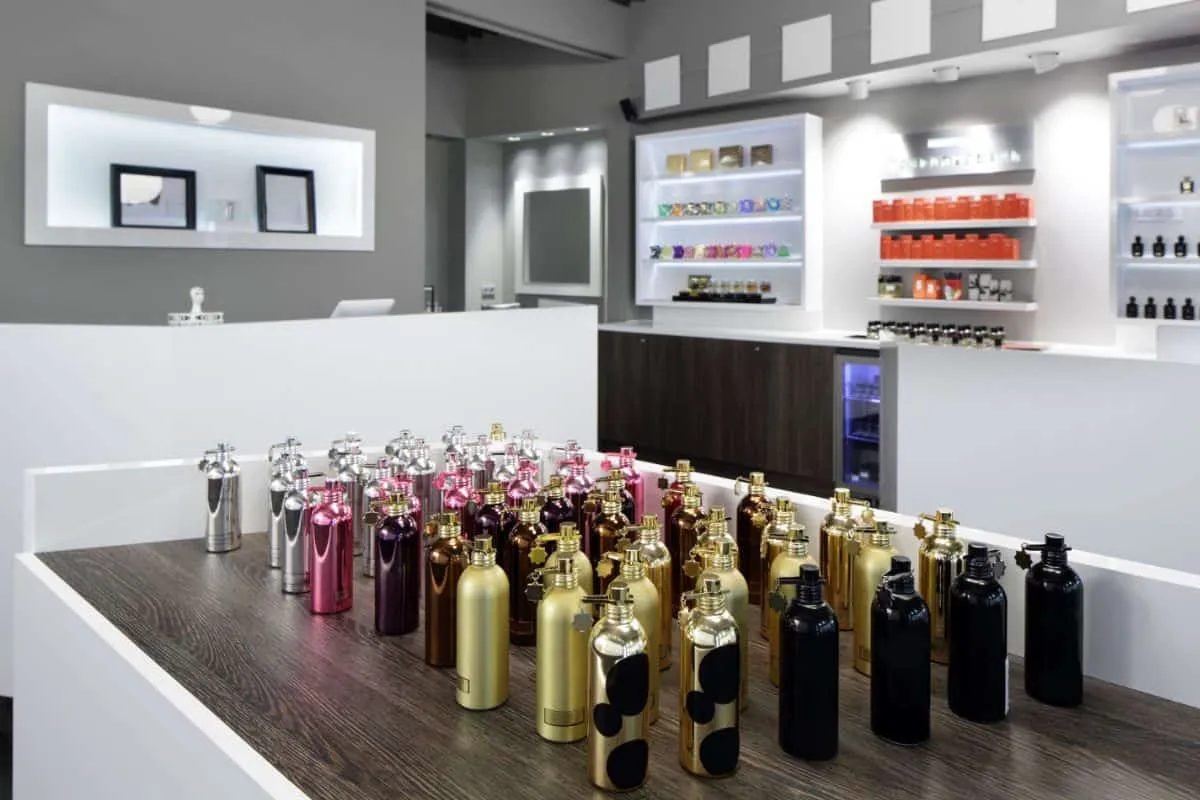
How To Store Perfume
Heat, light, and air are the three main enemies of perfume — here is how to store your bottles so the scent stays true for as long as possible.
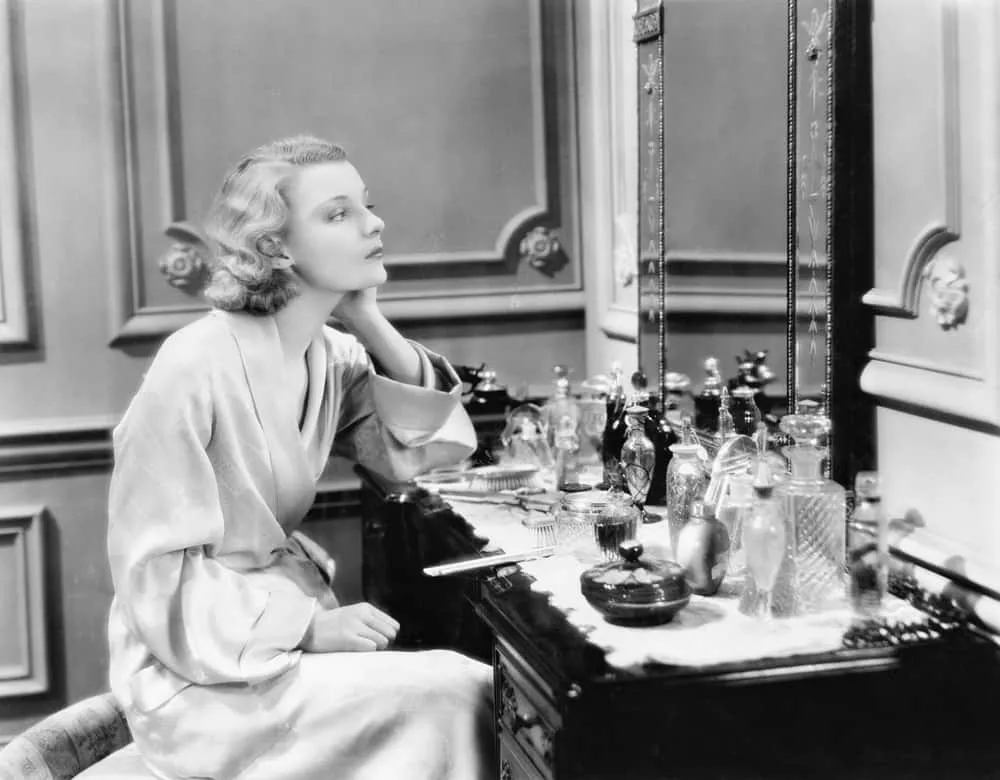
How to Find Your Signature Scent
A three-step method for finding a signature scent — narrowing preferences, matching strength to personality, and testing on skin — plus a guide to layering.
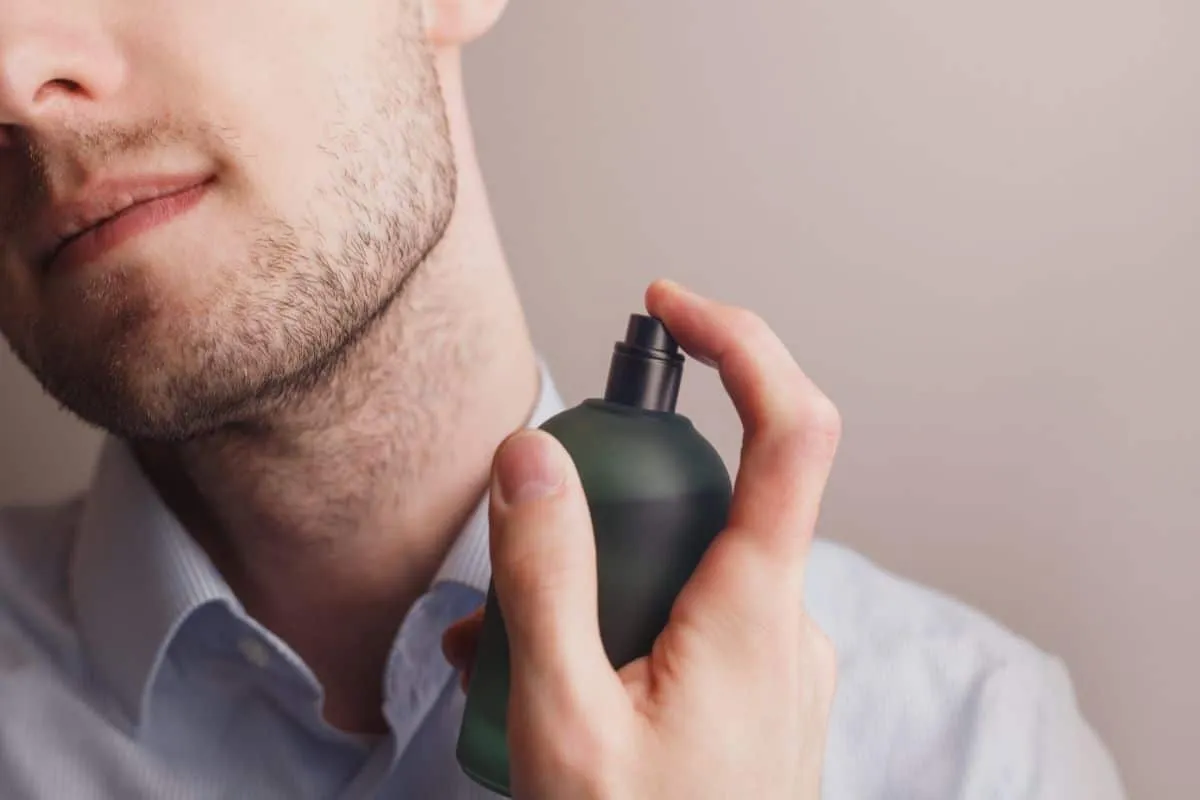
How Many Sprays Of Cologne Should You Use?
Four sprays is the right number for most colognes. Here's exactly where to put them, how to layer two scents, and what to do if you over-apply.
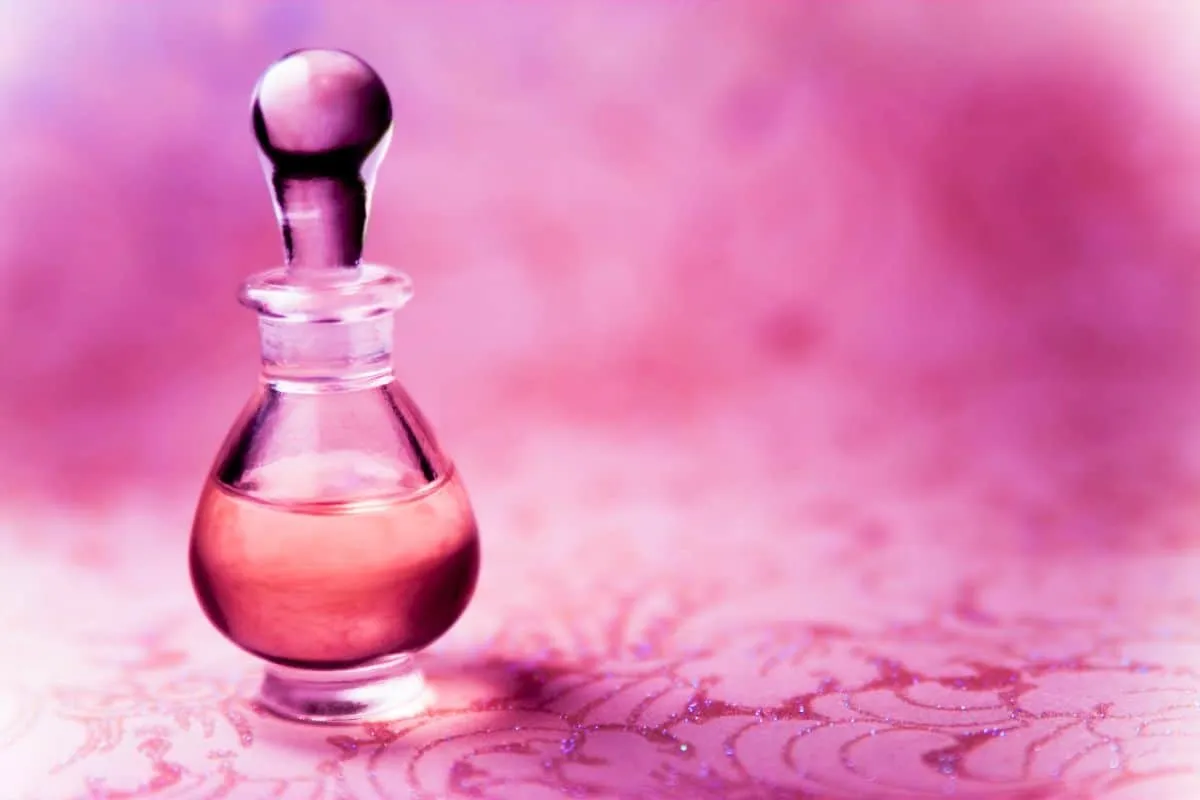
How to Decant Perfume
Four perfume decanting methods — spritz, funnel, dropper, and direct pour — with clear guidance on which to use based on bottle type and transfer volume.
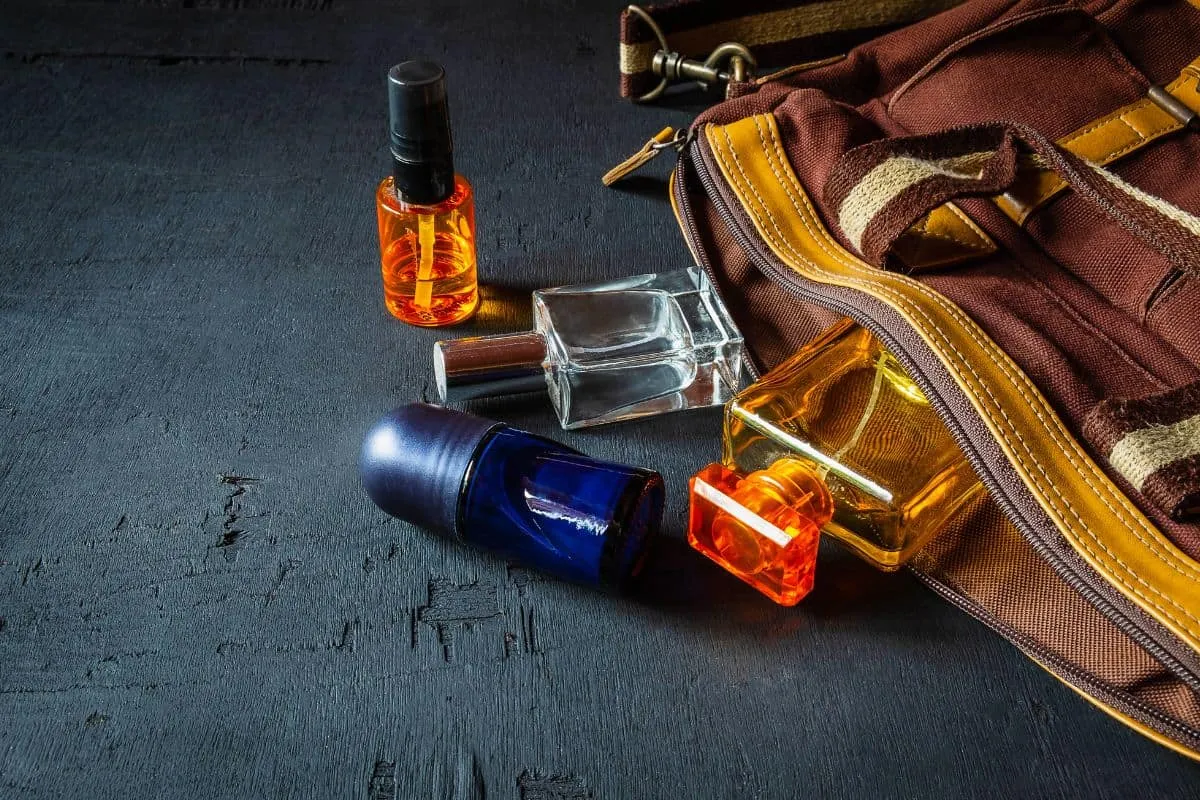
Can You Bring Cologne On A Plane?
TSA carry-on limits, checked bag rules, duty-free exceptions, and practical tips for traveling with fragrance without getting your bottle confiscated.
Trends & Culture
The bigger picture — categories, controversies, history.
What Are Clean Perfumes? Inside the Trend, the Science, and the Brands
What 'clean perfume' actually means, how the category came together, why the science is fuzzier than the marketing, and which brands are worth knowing.
The Rise of Dupe Houses: How Cheaper Luxury Got Its Own Category
Why dupe houses exploded after 2019, how they actually work, the legal lines they walk, and how to evaluate which ones are worth your money.
Celebrity Perfumes: How the Business Actually Works
How celebrity fragrance deals are structured, who made billions, who flopped, and why some stars now own their brands instead of licensing.

The Most Popular Fragrances of All Time
From ancient Egyptian incense to modern niche perfumery — a timeline of the most iconic fragrances ever made and the brands that shaped the industry.
Browse the full library
The sections above cover the essentials. If you want everything — including the deeper reads, the niche explainers, and the cultural pieces — the full library has all 54 articles organised by category.
See all explainers