Fragrance 101
What Does Dragon's Blood Smell Like?
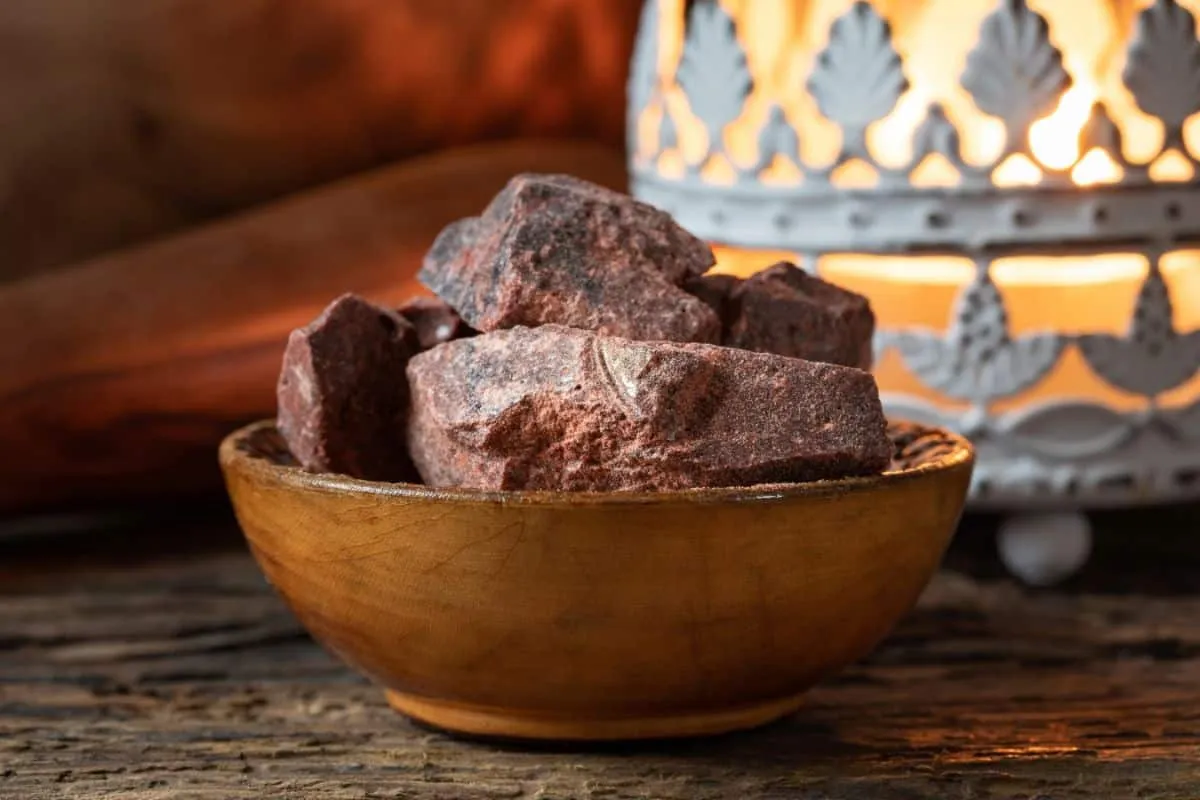
Dragon’s blood resin smells surprisingly quiet: faintly sweet, a little spicy and balsamic, with almost nothing at room temperature until you warm or burn it. The big, dark “dragon’s blood” of incense sticks and indie perfumes is mostly a blend built around that idea, which is why two products with the same name can smell nothing alike.
What Is Dragon’s Blood?
Dragon’s blood is a deep red resin from several unrelated plants. Kew’s medicinal plant names database links the name to Dracaena cinnabari, the umbrella-shaped dragon tree of Socotra; Calamus draco (often still sold under its old name, Daemonorops draco), a climbing rattan palm from Southeast Asia; and Croton lechleri, a South American tree whose red sap is used medicinally.
Most of the resin sold for incense comes from the rattan palm. The red is a pigment, dracorhodin, and the color is what earned the name. The ancient Romans used it as a dye and pigment, and medieval writers described it as if it really were dried dragon’s blood. With a name like that, it was always going to be sold as a cure-all too, for wounds, ulcers and coughs.
What Does Dragon’s Blood Smell Like?
Raw, very little. Warmed or burned, the resin gives off a soft, sweet, slightly spicy smoke, with a dry, cinnamon-bark edge and none of the sharpness of frankincense. It’s gentler and more powdery than most resins.
In perfume, “dragon’s blood” is almost always an accord: a blend that builds the idea from benzoin, amber, vanilla, spice and sometimes rose or patchouli. It sits in the base, where those resinous materials belong. How dark it turns out depends entirely on what the perfumer pairs it with, which is why one dragon’s blood perfume smells of lilac and another of oud.
Which Perfumes Feature Dragon’s Blood?
The note shows up mostly in indie and niche houses. These four show how wide the range is:
| Perfume | Listed notes | Character |
|---|---|---|
| Heretic Dragon’s Blood | Cedar, frankincense, rosewood, coriander; May rose, dragon’s blood; oud, patchouli, benzoin | Dark and resinous |
| Bortnikoff Santa Sangre | Pink grapefruit, vanilla flower, jasmine sambac; lotus; dragon’s blood, Siam benzoin, sandalwood | Soft, sweet incense |
| Black Phoenix Alchemy Lab Dragon’s Blood | Perfume-oil blend | Floral; two reviewers compare it to lilac |
| HEM Dragon’s Blood incense | Burned, not worn | The classic head-shop smell |
Heretic Dragon’s Blood is the one that matches the name. Frankincense and cedar up top, rose and dragon’s blood in the middle, then oud, patchouli and benzoin. The rose gives the dark resins something to push against, and it’s the closest thing on this list to a cathedral.
Bortnikoff Santa Sangre goes the other way. Dmitry Bortnikoff put dragon’s blood with red Siam benzoin and sandalwood under grapefruit, jasmine and lotus. Benzoin is vanilla-sweet and powdery, so the dragon’s blood reads as warm, soft incense rather than smoke.
Black Phoenix Alchemy Lab’s Dragon’s Blood can surprise you. Two reviewers on the maker’s page describe it as lilac-like; one was delighted, the other wanted more warmth. If you expect fire from the name, this isn’t it.
HEM’s incense sticks are where most people first smelled “dragon’s blood,” and they’re the cheapest way to find out whether you like the idea. They’re a blended incense, not the pure resin, and they’re for burning, not wearing.
Is Dragon’s Blood for Men or Women?
Both. Dragon’s blood isn’t for everyone, but it isn’t masculine or feminine either, and most perfumes built around it are sold as unisex. The pairing decides the mood: with rose and oud it’s dramatic, with benzoin and lotus it’s soft.
If the resinous side is what you like, amber perfumes are the nearest relatives, and oud takes it darker. For the earthy part, try patchouli. Eucalyptus is another plant material with a stranger story than you’d expect; here’s what it smells like.
Not sure which fragrance is you?
Answer seven questions to explore fragrances for your preferences.
Related Coverage
Guide
What Does Eucalyptus Smell Like?
Eucalyptus smells sharp, cool and camphor-like, thanks to one molecule: eucalyptol. Why it feels cold, what it shares with rosemary, and perfumes that use it.
Guide
What Is Oud Perfume? Read More About This Unique Oil
Oud is agarwood, resin made by trees fighting an infection. Why real oud oil smells smoky and animal, why most oud perfume is an accord, and how Tom Ford Oud Wood fits in.
Guide
EDT vs EDP vs Parfum: Which One Should You Actually Buy?
EDT, EDP and Parfum differ in how much perfume oil they hold, and often in the formula too. What the labels mean, what alcohol does, and how Dior Sauvage changes across all three.