Fragrance 101
EDT vs EDP vs Parfum: Which One Should You Actually Buy?
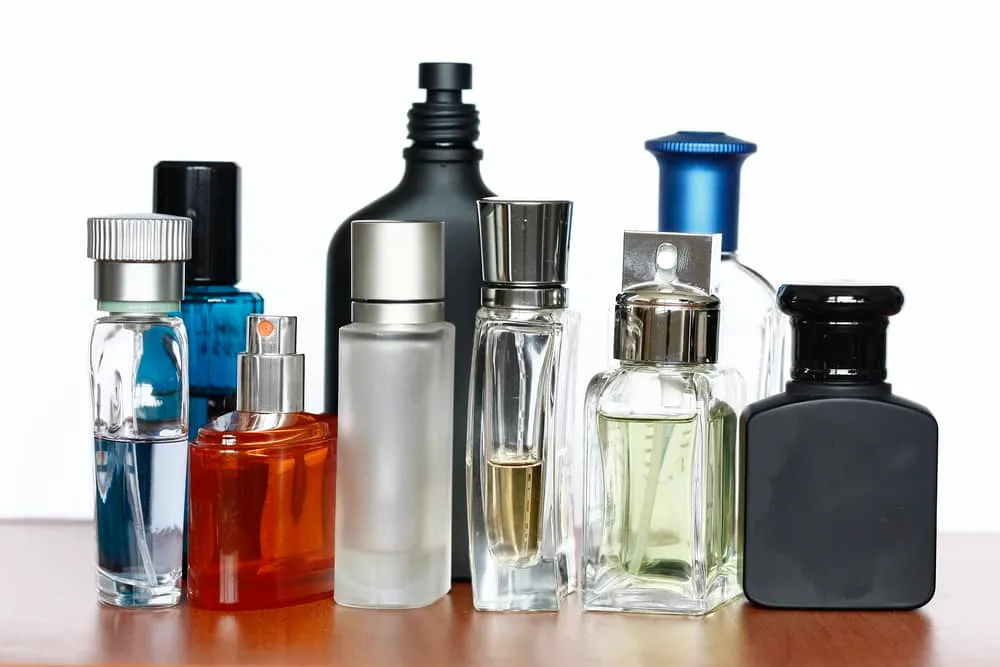
Dior Sauvage Eau de Toilette
EDT, EDP, and Parfum are the same fragrance formula diluted to different strengths: roughly 5-15% for Eau de Toilette, 15-20% for Eau de Parfum, and 20% and up for Parfum. Higher concentration means it lasts longer and costs more. It doesn’t automatically mean it smells better.
Is Eau de Parfum Actually Better Than Eau de Toilette?
No, and this is where most buying guides get lazy. EDP lasts longer and projects more because there’s more fragrance oil relative to alcohol, which is a real, measurable difference. But “more” isn’t the same as “better” for every situation. An EDT that fades after three hours in the office is doing its job. An EDP that fills a small room for eight hours can be a liability at the same desk.
The concentration you want depends on where you’re wearing it, not which one is objectively superior.
The Difference, Side by Side
| Eau de Toilette | Eau de Parfum | Parfum | |
|---|---|---|---|
| Oil concentration | 5-15% | 15-20% | 20%+ |
| Typical wear time | 2-4 hours | 4-6 hours | 6-8+ hours |
| Alcohol content | Higher | Moderate | Lowest |
| Best for | Office, daytime, warm weather | Evening, cold weather, signature scent | Special occasions, sensitive skin |
| Price per ml | Lowest | Mid | Highest |
Parfum being gentlest on sensitive skin surprises people. It seems backwards: shouldn’t the strongest one sting the most? It’s the opposite. Parfum has the least alcohol by volume, and alcohol is what actually irritates skin, not the fragrance oil itself. If EDTs give you a rash but you still want to wear scent, Parfum is worth trying before you give up on fragrance entirely.
Which One Should You Actually Buy?
If you’re buying your first bottle of a fragrance you haven’t worn before, get the EDT. It’s cheaper, and if the scent doesn’t work on your skin (which happens more than you’d think, thanks to skin chemistry), you haven’t sunk much money into finding out.
Once you know you love something and plan to wear it for years, the math flips. A Parfum-strength bottle costs more up front but you use less per spray and it lasts longer per wear, so the actual cost per use can come out close to even. This only pays off for a genuine signature scent, not something you’ll rotate out in six months.
EDP is the default most brands push, and for good reason: it’s the compromise that works for the widest range of people and occasions. If you’re not sure which tier to start with and don’t want to overthink it, EDP is the safe middle.
Can You Turn an EDT Into an EDP?
Not really, no matter what a TikTok hack tells you. Spraying more EDT doesn’t recreate an EDP’s chemistry. You just end up smelling stronger and less refined, because top notes that were meant to be subtle are now overwhelming. The ratio between top, heart, and base notes is calibrated for the concentration it was built at. Buy the concentration you actually want instead of trying to fake it with volume.
The Same Fragrance, Different Tiers
Dior Sauvage is the cleanest real-world example of how much a concentration change actually matters. Sauvage EDT is bright, peppery, and citrus-forward, built for daytime wear and hot weather. Sauvage Parfum, released years later, pulls back the top-note brightness and leans into a warmer, ambroxan-heavy base that reads more mature and lasts noticeably longer on skin. Dior never released a standard EDP version at all. It went straight from EDT to Parfum, which tells you something about how differently the brand wanted those two tiers to feel.
Parfum-strength Sauvage runs closer to what you’d want for a winter evening or a formal event, where the EDT would feel too thin.
For the full breakdown of every strength tier, including Eau de Cologne and Eau Fraiche, Perfume Strengths: 5 Levels Explained covers the whole ladder.
Ready to Buy?
Here are our top recommendations from this article.
Not sure which fragrance is you?
Take our 90-second quiz — seven questions, three picks.
Related Coverage
Guide
Perfume Strengths: 5 Levels Explained
Parfum, Eau de Parfum, Eau de Toilette, and Cologne differ in fragrance oil concentration, which directly affects how long a scent lasts and what it costs.
Guide
What Are Top, Middle, and Base Notes in Perfume?
Perfume notes are grouped by how fast their molecules evaporate. Top notes vanish first, base notes are what's left hours later. Here's how to read the pyramid.
Guide
Why Does Perfume Smell Different on Everyone?
Skin pH, oil production, and body temperature all change how fragrance molecules develop, so the same bottle can genuinely smell different from one person to the next.