Fragrance 101
Perfume Strengths: 5 Levels Explained
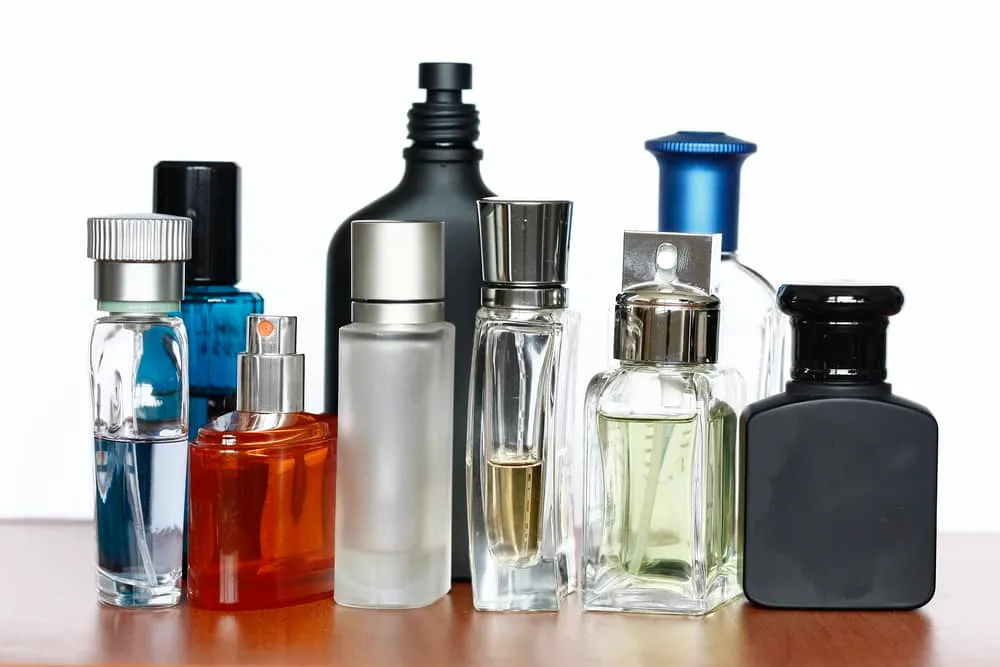
Chanel COCO MADEMOISELLE
Eau de Toilette, Parfum, Cologne — these terms describe different concentrations of fragrance oil, which directly affects how long a scent lasts and how much it projects. Here’s what each one actually means.
What Does A Perfume Strength Refer To?
Perfume strength simply refers to the concentration of fragrant oils, relative to the alcohol or water content in the mixture. So very simply, a 50% concentration is 50% fragrant oils (those ingredients that actually create the unique scent of the perfume) and the remaining 50% is alcohol or some portion of water to act as a base.
Unsurprisingly, stronger perfume concentrations are both more powerful and noticeable, and likely to last longer on the skin. As they contain more of the (sometimes rare, often expensive) ingredients, its also unsurprising that higher concentrations lead to higher prices.
Perfume Concentration Chart
Here’s every strength tier side by side, from Parfum down to Eau Fraiche — the bottle fill shows relative oil concentration, and the table below has the numbers plus what each one is actually good for.
| Strength | Fragrance Oil % | Typical Longevity | Best For |
|---|---|---|---|
| Parfum | 20-50% | 6-8+ hours | A signature scent worn close to the skin |
| Eau de Parfum | 15-20% | 4-6 hours | Everyday wear, most modern luxury launches |
| Eau de Toilette | 5-15% | 2-4 hours | Warm weather, lighter application |
| Eau de Cologne | 2-5% | 1-2 hours | A quick refresh, gender-neutral classics |
| Eau Fraiche | 1-3% | Under 2 hours | Post-shower splash, sensitive skin |
Perfume Strengths
Fragrance strengths are usually listed on the bottle, but it’s good to have a grounding in the different ranges to expect. Let’s go through the different terms, from strongest to lightest.
Parfum – The Strongest Concentration
Parfum (perfume) is the strongest concentration you’ll find — technically 20-50%, though most are at the lower end. Two reasons: most wearers don’t want a signature scent that’s overpowering, and Parfum-grade ingredients are expensive enough that brands pull back the dial to keep costs reasonable.
Counterintuitively, Parfum is often the best choice for sensitive skin. More fragrant oils means less alcohol, and alcohol is the irritant. The higher the concentration, the gentler on skin.
Longevity: six to eight hours, sometimes longer. Parfum stays close to skin and rewards anyone leaning in to smell it.
Try it on Amazon: True Parfum-strength bottles are mostly sold direct by luxury houses (Chanel boutique, Guerlain), not Amazon. The closest comparable experience available on Amazon is Tom Ford Tobacco Vanille — technically labeled EDP but unusually dense, with longevity that rivals true Parfum-tier scents.
Eau de Parfum
Eau de Parfum runs 15-20% concentration. That’s the sweet spot for most modern luxury launches — strong enough to project, not so strong that it gets cloying or breaks the price point.
- Cheaper than Parfum, but only slightly. Most modern luxury releases are EDP by default.
- Still gentle enough for most sensitive skin (alcohol content is moderate).
- Four to six hours of wear typical, sometimes longer with heavier compositions.
EDP is the practical default. If you don’t have a strong reason to want Parfum or EDT, EDP is what most people should be buying.
Try it on Amazon: YSL Black Opium is one of the most popular EDPs of the last decade — coffee, vanilla, and white florals, instantly recognizable, projects strongly without becoming heavy.
Eau de Toilette
Eau de Toilette runs 5-15% concentration. The drop from EDP isn’t about quality — it’s about volume and price. Many of the same fragrances ship in both EDT and EDP versions, and the EDT version is usually meaningfully cheaper.
The name comes from a French phrase meaning “to get ready.” Don’t worry about the literal English translation.
Two to four hours typical wear. Best in warm weather where heavier EDPs would feel cloying.
Try it on Amazon: Dior Sauvage EDT is the best-selling masculine fragrance of the last decade — fresh, bergamot-and-ambroxan, the EDT version is brighter and sharper than the EDP. Either version is a defensible signature.
Eau de Cologne
In modern English-speaking markets, “cologne” has become shorthand for “men’s fragrance” generally — but historically Eau de Cologne was a specific concentration tier, gender-neutral, around 2-5% fragrance oil. The original Cologne formula was created in 1709 in (yes) Cologne, Germany, and the recipe is still produced today essentially unchanged.
Real Eau de Cologne wears short — a couple of hours typical — and the actual longevity varies heavily with temperature, humidity, body chemistry, and which ingredients last longer on a given person.
Try it on Amazon: 4711 Original isn’t Farina’s 1709 formula, but it’s the next best thing — a separate house selling the same citrus-rosemary recipe since 1799, over two centuries with no changes. Bracingly fresh, almost medicinal in a good way. Inexpensive, and a useful baseline for understanding what Eau de Cologne actually is before the marketing got hold of the term.
Eau Fraiche
The lightest concentration — 1-3% fragrance oil, with the rest being mostly water rather than alcohol. Wears for an hour or two and disappears.
There are two reasons this tier exists. First, it’s the cheapest version of any given fragrance, since it’s mostly water. Second, the lower alcohol content makes it the most skin-friendly tier of all — even people who react to most perfumes can usually wear an Eau Fraiche without trouble.
The trade-off is the wear life. Don’t expect projection or longevity. Use this as a refresher, post-shower, or for a casual summer afternoon where you want something fragrant but not committed.
Try it on Amazon: Versace Man Eau Fraiche is the literal namesake of the category — citrus, mint, and a quiet woody base, designed for hot weather. Inexpensive enough to keep around as a summer-only option without thinking about it.
Ready to Buy?
Here are our top recommendations from this article.
Not sure which fragrance is you?
Take our 90-second quiz — seven questions, three picks.
Related Coverage
Guide
What Ingredient Makes Perfumes Last?
Perfume longevity depends on fixatives and low-volatility ingredients like musk, amber, and jasmine — here is how perfumers use chemistry to make scents last.
Guide
What Is Toilette Spray? Let's Clear Up Any Confusion
Eau de Toilette explained: what the term means, how its oil concentration differs from Eau de Parfum and Cologne, and when to wear each.
Guide
Do Guys Wear Perfume or Cologne?
The idea that perfume is for women and cologne is for men is a modern American invention — here is the actual difference between the two terms.