Guides
Do Guys Wear Perfume or Cologne?

Guys can wear either. “Cologne” often means a men’s fragrance in everyday conversation, while “perfume” can refer broadly to fragrance. Neither word restricts who can wear the scent.
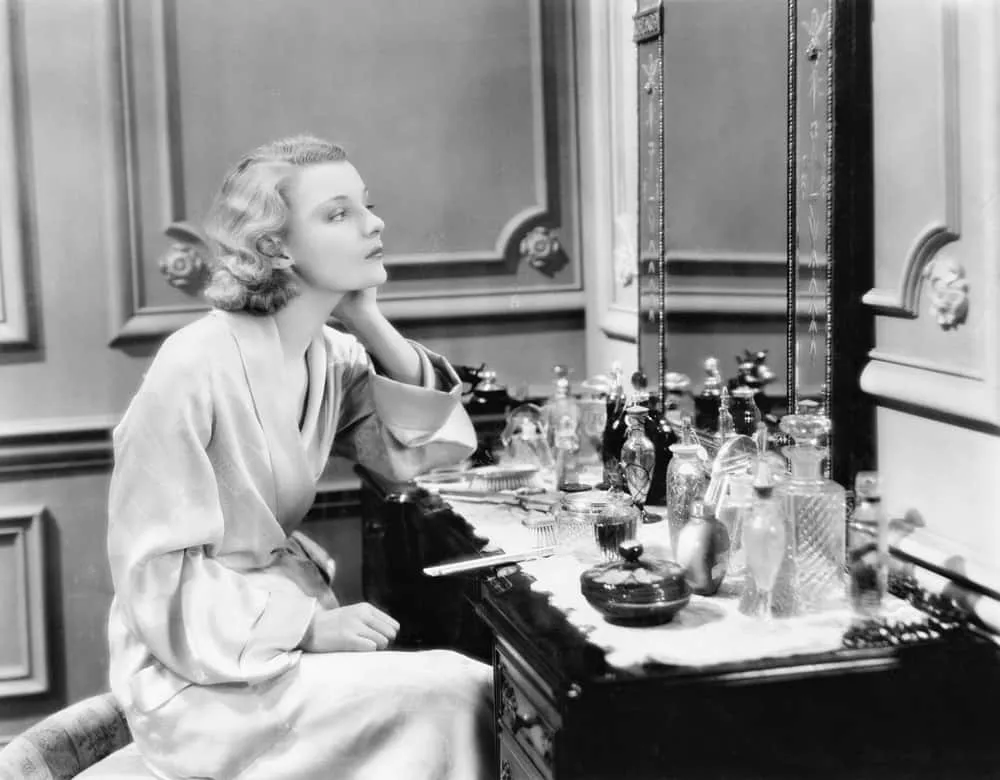
Splitting perfume by gender is fairly recent. The first eau de Cologne in the 1700s was worn by everyone, and Guerlain’s Jicky (1889) was worn by men and women alike. The tidy men’s and women’s counters came with twentieth-century marketing. For shopping, the useful distinction is the exact product: its concentration, scent and format. A men’s fragrance can be an eau de parfum, just as one marketed to women can be an eau de toilette.
Difference Between Perfume And Cologne
The wording has two uses that are easy to confuse:
- Everyday language: someone may call a men’s spray “cologne” regardless of the concentration printed on it.
- A concentration label: Eau de Cologne, or EDC, is one of several fragrance categories alongside EDT, EDP and Parfum.
“Perfume” on its own doesn’t mean every bottle contains the same percentage of concentrate. Our perfume-strength guide explains the approximate categories and their limits.
A clear example is Dior’s men’s fragrance range, which includes eau de toilette, eau de parfum and parfum versions. Calling one of those your cologne in conversation doesn’t change the product’s concentration.
Does Perfume Last Longer Than Cologne?
If you mean EDP versus EDC, concentration is one factor to compare. It still doesn’t give a guaranteed wear time, and “cologne” used casually may describe an EDP in the first place.
Different versions of a fragrance can also differ in their notes. Pick the one you enjoy through the dry-down instead of buying the strongest-sounding label on the assumption that it must perform better. Our EDT, EDP and Parfum comparison covers that choice.
Which Should I Wear?
Start with a smell you enjoy, then work out how much of it suits your day. Gender marketing can help you find a familiar style at a shop, but it needn’t limit where you look.
If you like florals, try florals. If you like dry woods, citrus, vanilla or musk, look for those notes across the shelves. A label doesn’t tell you whether a scent will feel right on you, and shopping another section doesn’t guarantee a lower price or longer wear.
Use a blotter to narrow the options, then try it on skin and give it a few hours. Our signature-scent guide offers a way to keep track of what you like, and our wearing-cologne guide covers application.
What Should You Ask for in a Shop?
Use the brand, fragrance name and version when you know them: for example, “Sauvage Eau de Parfum,” not just “Dior cologne.” That helps avoid a different concentration, flanker, deodorant or shower gel in the same range.
When browsing, describe the smell and setting you want instead: a citrus scent for everyday wear, a powdery floral, or warm woods with little sweetness. Those preferences are more useful than trying to choose a shelf by gender alone.
Not sure which fragrance is you?
Answer seven questions to explore fragrances for your preferences.
Related Coverage
Guide
How to Find Your Signature Scent
Find a signature scent by narrowing the notes you enjoy, comparing exact versions and wearing samples in your usual routine. Includes an optional approach to layering.

Guide
How to Wear Cologne: Where to Spray and How Much
A practical guide to choosing, applying and storing cologne, with advice on spray amounts, shared spaces, sampling and reapplication.
Guide
EDT vs EDP vs Parfum: Which One Should You Actually Buy?
EDT, EDP and Parfum differ in how much perfume oil they hold, and often in the formula too. What the labels mean, what alcohol does, and how Dior Sauvage changes across all three.