Guides
How To Wear Cologne
Giorgio Armani Acqua Di Gio
Wearing cologne well comes down to three things: where you put it, how much you use, and when you apply it. Get those right and the fragrance does the rest. (If you’re still picking the cologne itself, we round up the best clean, subtle men’s colognes and the best men’s body sprays separately.)
When to Apply
Right after you shower, on clean, dry skin. This is non-negotiable. Cologne applied to skin that already has sweat, deodorant residue, or competing scents on it won’t smell the way it’s supposed to.
If you moisturize (and you should — dry skin burns through fragrance faster), apply an unscented lotion first and let it absorb for a minute. Then spray. The moisturizer gives the fragrance molecules something to bind to, which extends wear time.
Where to Spray
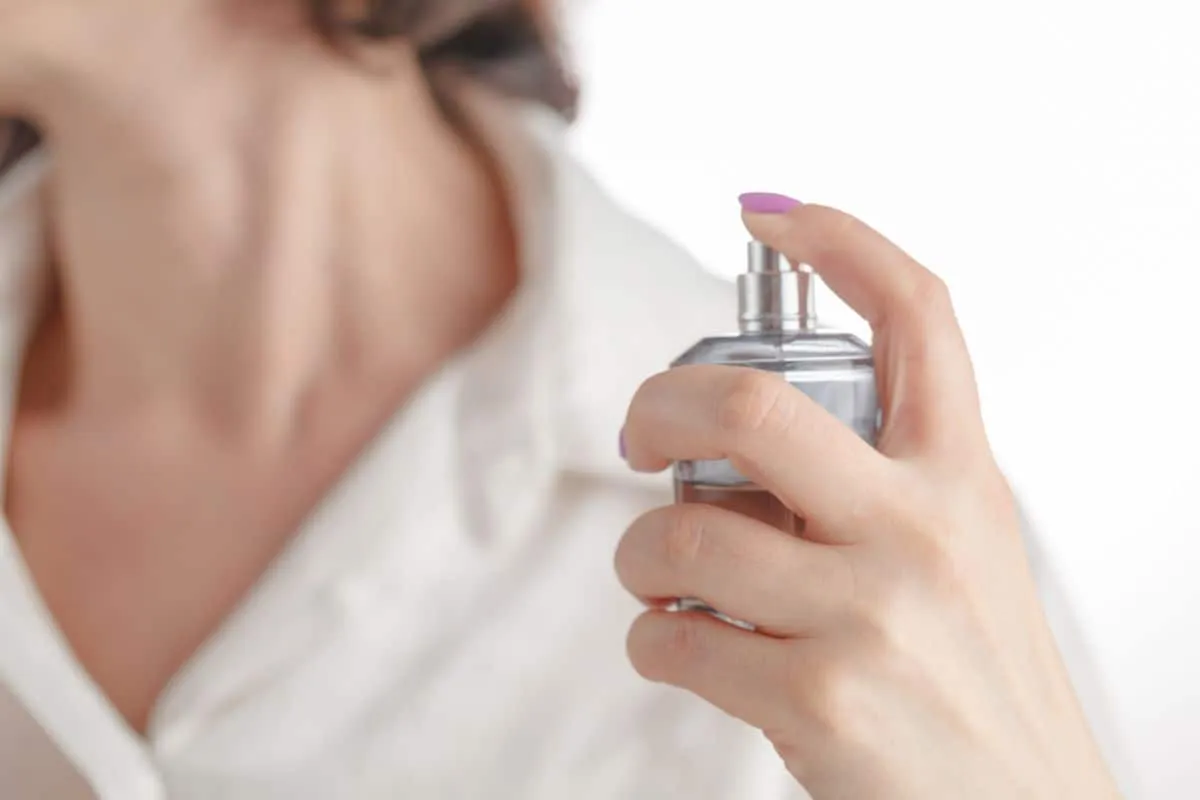
Target your pulse points — spots where blood vessels sit close to the surface, generating warmth that diffuses the scent. The two best spots:
- Neck (sides, not the front)
- Inner wrists
Some people also spray behind the ears, on the chest, or inside the elbows. But two areas is plenty. You want a scent trail that people notice when they’re close, not a cloud that announces you from across the room.
Don’t spray in the air and walk through it. Most of the fragrance ends up on the floor and your clothes rather than your skin, which means you waste product and the scent develops differently than intended.
How Much to Use
Four sprays is the standard: two on the neck, two on the wrists. For a particularly strong fragrance — a concentrated parfum or a heavy oud — three is enough.
Don’t rub your wrists together after spraying. It’s the most common mistake. The friction generates heat that breaks down the top notes, which means you lose the opening of the fragrance — often the part that makes the first impression.
Choosing a Cologne
Test on your skin, not paper. Blotter strips are fine for a first impression, but fragrance interacts with your body chemistry. Something that smells crisp on paper might turn sweet or soapy on your skin after an hour. Spray a tester on your wrist and live with it for at least 30 minutes before deciding. If you want to test multiple fragrances over time without committing to full bottles, a subscription service like Scentbird can be a practical way to do it.
Match the season. Lighter, citrus-forward and aquatic fragrances work better in warm weather — spring is when most people rotate their collection. Woody, spicy, and oud-based scents suit cooler months. Wearing a heavy winter cologne in July heat will overwhelm everyone around you.
Understand concentrations. The same fragrance often comes in multiple strengths. Eau de Toilette (5-15% oil) lasts a few hours and projects less. Eau de Parfum (15-20% oil) lasts longer and costs more. Choose based on how long you need the scent to last and how much projection you want.
Designer vs. niche. Designer colognes (Dior, Armani, Chanel) are formulated for broad appeal and are easy to find in stores. Niche colognes use more unusual ingredients, take bigger creative risks, and cost more. Neither is inherently better — it depends on whether you want something crowd-pleasing or something distinctive.
Making It Last
If your cologne fades within a couple of hours, the issue is usually one of these:
- Dry skin. Moisturize before spraying.
- Wrong concentration. An Eau de Toilette will always fade faster than an Eau de Parfum. If you want all-day wear, buy the stronger concentration.
- Storage. Heat, light, and humidity degrade fragrance. Keep bottles in a cool, dark place — a drawer or closet, not the bathroom shelf. A properly stored bottle lasts years. A bottle sitting in sunlight on your sink can turn within months.
Table of Contents
Ready to Buy?
Here are our top recommendations from this article.
Not sure which fragrance is you?
Take our 90-second quiz — seven questions, three picks.
Related Coverage
Guide
How Many Sprays Of Cologne Should You Use?
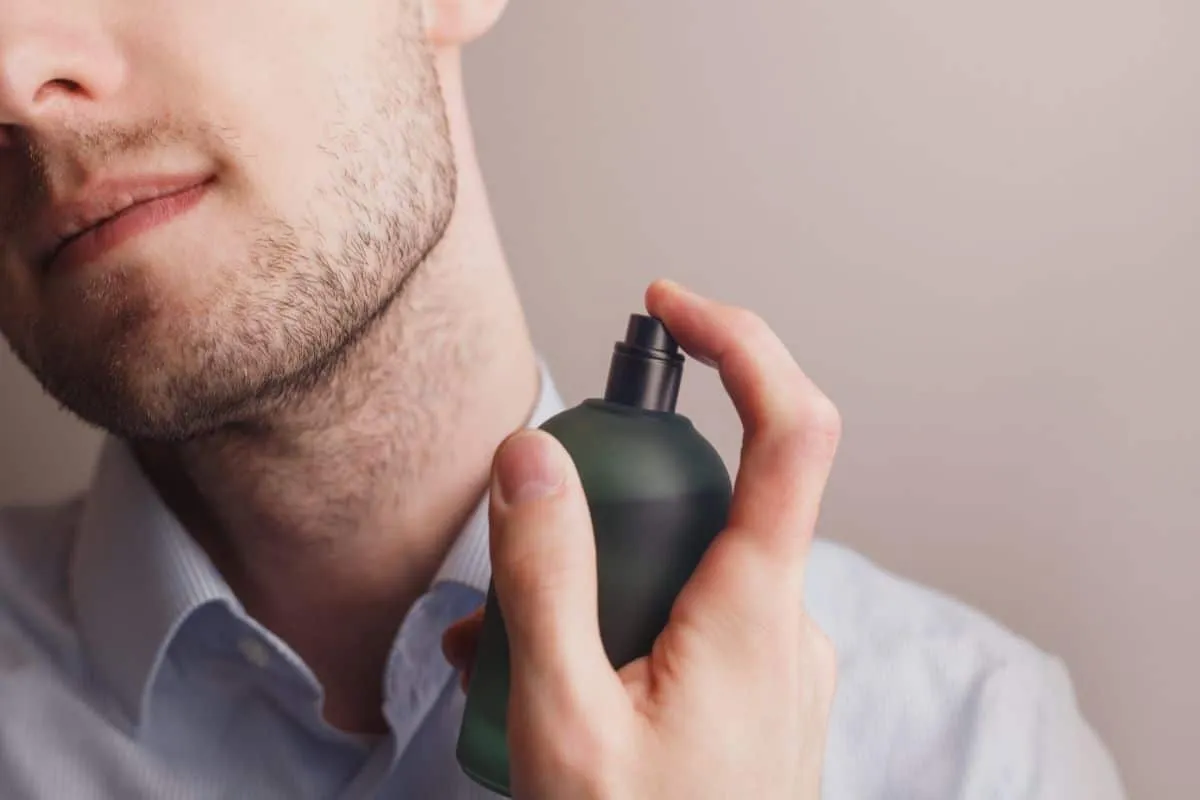
Four sprays is the right number for most colognes. Here's exactly where to put them, how to layer two scents, and what to do if you over-apply.

Guide
Is Scentbird Worth It?
An honest look at Scentbird's fragrance subscription — what you get, what it costs, and the cancellation issues you should know about before signing up.
Guide
What Is National Fragrance Day?
National Fragrance Day falls on March 21 — the first day of spring. Here's why it exists, who's behind it, and what to wear for the season.