Guides
How Many Sprays Of Cologne Should You Use?
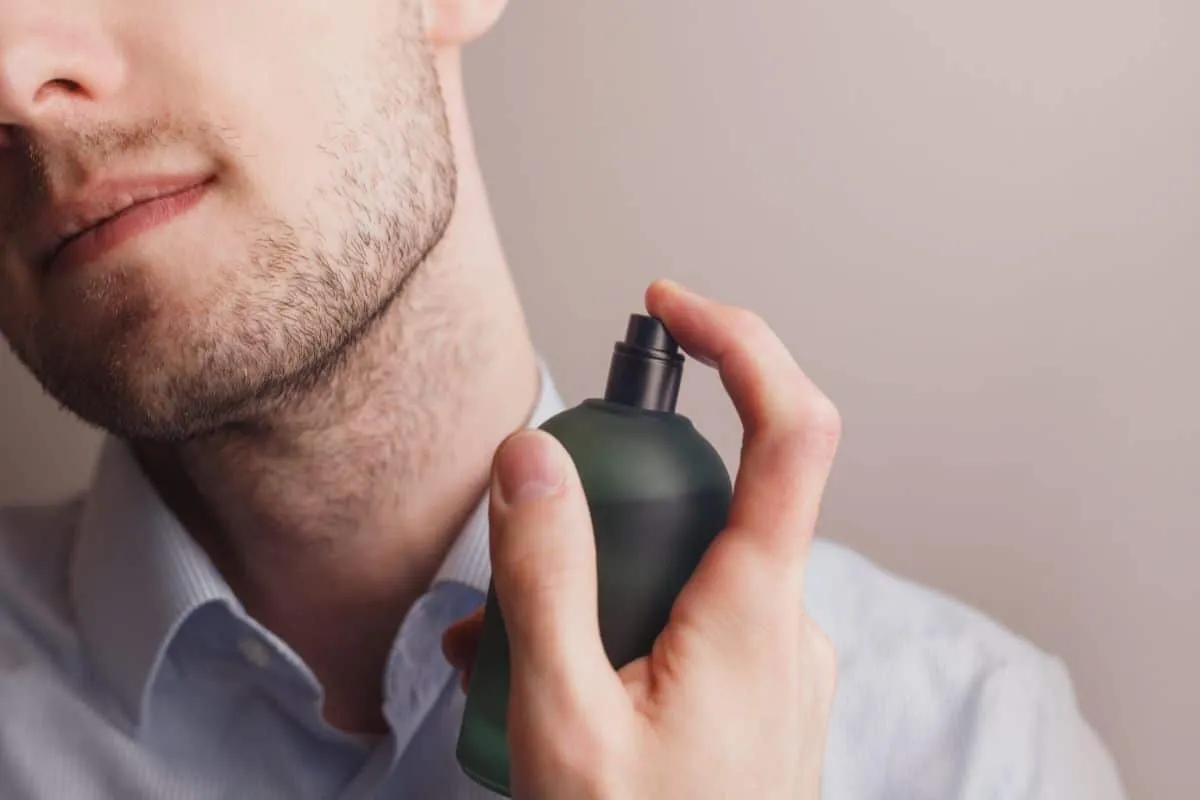
Start with two sprays for most colognes: one on the neck or chest, one on a wrist. For a dense Parfum or a cologne you know is loud, start with one. Then adjust next time based on what people around you notice, not on what you notice yourself.
Where you’re going matters more than any number. A shared office or a small car needs less than an evening outdoors, and where a workplace asks for no fragrance, skip it.
Why Two Sprays and Not Four?
Because a spray isn’t a fixed amount. Atomizers vary a lot, and one bottle’s full press can deliver noticeably more than another’s. Fragrances vary too: an EDT built on light citrus and a Parfum built on woody ambers behave completely differently from the same amount. The old “four sprays” rule ignores all of that.
Two is a sensible starting point because it’s easy to add a third and hard to take one away. Once you know a bottle, you’ll know whether it’s a one-spray or a three-spray cologne.
| Situation | Where to start |
|---|---|
| New cologne | One or two sprays at home, before wearing it out |
| Office or shared space | One or two, and respect any fragrance-free policy |
| Evening out | Two, then check what’s left before adding more |
| New bottle of an old favourite | Recheck: a new concentration or atomizer can change things |
Where Should You Spray Cologne?
Follow the bottle’s directions first. Dior’s Sauvage directions, for example, suggest pulse points such as the wrists and neck. Warm skin helps fragrance evaporate and spread, which is why the neck and chest work well. You don’t need to hit every pulse point; two places is plenty.
Keep it away from your eyes, lips and irritated skin. Only spray clothing if the product says you can, and test a hidden spot first, because fragrance can mark fabric. Let it dry on its own. Rubbing your wrists together doesn’t “crush” the molecules, as the myth goes, but it does warm the skin and hurry the bright top notes along.
Why Can’t You Smell Your Own Cologne?
Because your nose adapts. Smell receptors exposed to the same molecules for a while stop firing as strongly, so within minutes you notice your cologne much less than everyone else does. The Perfume Society notes that we become used to a familiar perfume. That’s why people who wear the same scent every day slowly drift toward over-spraying.
The fix is to ask someone you trust, at the distance you’d normally stand or sit. A nose pressed to your wrist tells you nothing about how it reads across a desk.
Can You Layer Two Colognes?
Yes, but try the pair on paper first. Spray each on a separate blotter, hold them together, and see whether you like the combination before putting both on skin. When you wear them together, use less of each, not your usual amount twice. Simple pairings work best: one cologne built on a single strong idea under one with more going on.
What If You’ve Sprayed Too Much?
Gently wash the area with your normal cleanser and water, and change a sprayed shirt if that’s where most of it is. Don’t cover it with another fragrance, and don’t scrub hard or use solvents. If a product irritates your skin, the American Academy of Dermatology advises washing it off gently and stopping using it. Our guide to getting perfume off skin has more.
Should You Reapply During the Day?
Check what’s left first. A cologne can still be there close to your skin after its projection has faded. If it’s the opening you love, another spray will bring it back for a while, but no amount will hold it in place all day; top notes are simply the fastest to evaporate. The EDT, EDP and Parfum comparison explains why the same cologne in a different concentration may suit you better, and the cologne-wearing guide covers the rest.
Not sure which fragrance is you?
Answer seven questions to explore fragrances for your preferences.
Related Coverage
Guide
How to Get Perfume Off Your Skin (and Why It Clings)
Why perfume clings after you wash, what actually lifts it (soap, then a cleansing oil), why rubbing alcohol isn't the answer, and whether steel soap or tomato paste do anything.
Guide
How to Wear Cologne: Where to Spray and How Much
A practical guide to choosing, applying and storing cologne, with advice on spray amounts, shared spaces, sampling and reapplication.
Guide
EDT vs EDP vs Parfum: Which One Should You Actually Buy?
EDT, EDP and Parfum differ in how much perfume oil they hold, and often in the formula too. What the labels mean, what alcohol does, and how Dior Sauvage changes across all three.