Guides
Perfume Bottle Sizes Explained
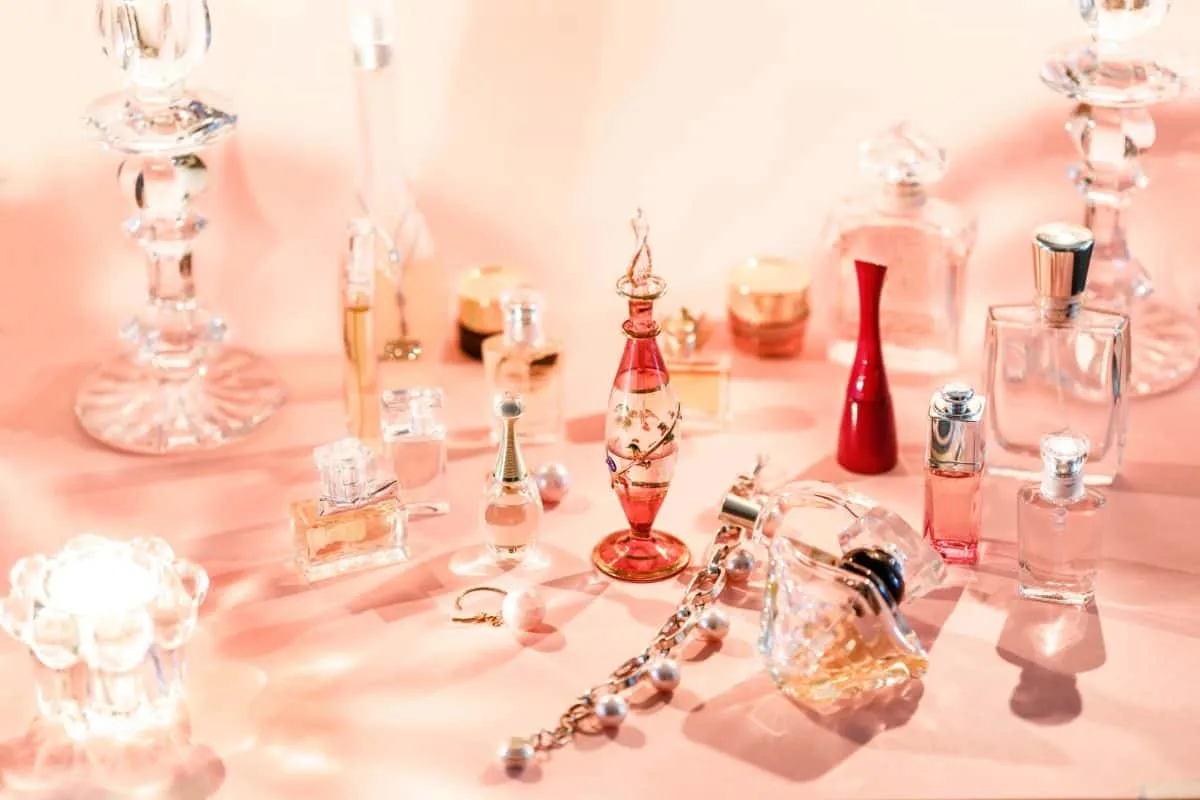
Perfume bottles come in a handful of standard sizes, and picking the right one saves you money and hassle. Here’s what each size actually looks like, how long it lasts, and when to buy which.
The Standard Sizes
Almost every perfume on the market ships in one of these sizes:
| Size | Metric | Approx. Sprays | Lasts (at 4 sprays/day) |
|---|---|---|---|
| 0.17 oz | 5 ml | ~50 | ~2 weeks |
| 0.33 oz | 10 ml | ~100 | ~3-4 weeks |
| 1 oz | 30 ml | ~300 | ~2.5 months |
| 1.7 oz | 50 ml | ~500 | ~4 months |
| 3.4 oz | 100 ml | ~1,000 | ~8 months |
| 6.7 oz | 200 ml | ~2,000 | ~16 months |
The spray count is approximate — it depends on the atomizer and how heavy your trigger finger is. But these numbers are close enough for planning.
What Each Size Is For
5ml and 10ml are samples and travel sizes. Most subscription services (Scentbird, DecantX) ship 8-10ml. These are good for testing a fragrance over a couple of weeks before committing to a full bottle. They also fit easily in a carry-on without eating into your TSA quart bag.
30ml (1 oz) is the entry-level full bottle. It’s enough to wear a fragrance for a couple of months, which is long enough to really know if you like it. This is the sweet spot if you rotate between several fragrances or want to try something new without a big commitment. Most niche houses offer 30ml as their smallest “real” bottle.
50ml (1.7 oz) is the most common size for designer fragrances and often the best value per milliliter. The jump from 30ml to 50ml usually costs 30-40% more for 67% more product. If you like a fragrance enough to buy a full bottle, 50ml is usually the right call.
100ml (3.4 oz) is the standard full-size bottle. Buy this when you’ve found your signature scent and you know you’ll wear it regularly. At four sprays a day, a 100ml bottle lasts most of a year. This is also the largest size that’s TSA carry-on compliant — right at the 3.4oz limit.
200ml (6.7 oz) is the jumbo size. Not every fragrance comes in this size, but when it does, the per-ml price drops significantly. Only worth it for a daily-driver scent you’re sure about. A 200ml bottle of something you get bored of after three months is not a bargain.
Where the Value Is
The per-ml price drops as bottles get bigger, but not linearly. The sharpest drop is usually from 30ml to 50ml. Going from 50ml to 100ml saves you less per ml, and 200ml bottles are sometimes only marginally cheaper per ml than 100ml.
Here’s how that plays out in practice: going from a 60ml to a 100ml bottle of the same fragrance typically cuts the per-ml price by 15-25%. Stepping up again to 200ml usually saves less — often only another 10-15% per ml. The largest bottle is genuinely good value — but only if you’ll use all of it before it starts to degrade.
The worst value is almost always the tiny 5-10ml decants from third-party sellers, which run at a steep per-ml premium. They’re fine for sampling, but buying four or five decants of the same fragrance costs more than just getting the 50ml bottle.
A Note on Bottle Shapes
A 30ml bottle can look wildly different depending on the brand. Some are tall and slim, others are squat cubes. The actual liquid volume is the same — the glass and packaging just vary. Don’t judge size by how the bottle looks on a shelf. Check the label.
Decanting into a travel atomizer is worth considering if you want to carry fragrance without hauling a glass bottle. A 5ml atomizer holds about 50 sprays and fits in a pocket.
Table of Contents
Not sure which fragrance is you?
Take our 90-second quiz — seven questions, three picks.
Related Coverage
Guide
Can You Bring Cologne On A Plane?
TSA carry-on limits, checked bag rules, duty-free exceptions, and practical tips for traveling with fragrance without getting your bottle confiscated.
Guide
How Long Does Perfume Last?
Why perfume eventually expires, how storage and ingredient type affect shelf life, and three reliable ways to tell if a bottle has gone bad before you wear it.
Guide
How to Decant Perfume
Four perfume decanting methods — spritz, funnel, dropper, and direct pour — with clear guidance on which to use based on bottle type and transfer volume.