Guides
How Long Does Perfume Last in the Bottle?
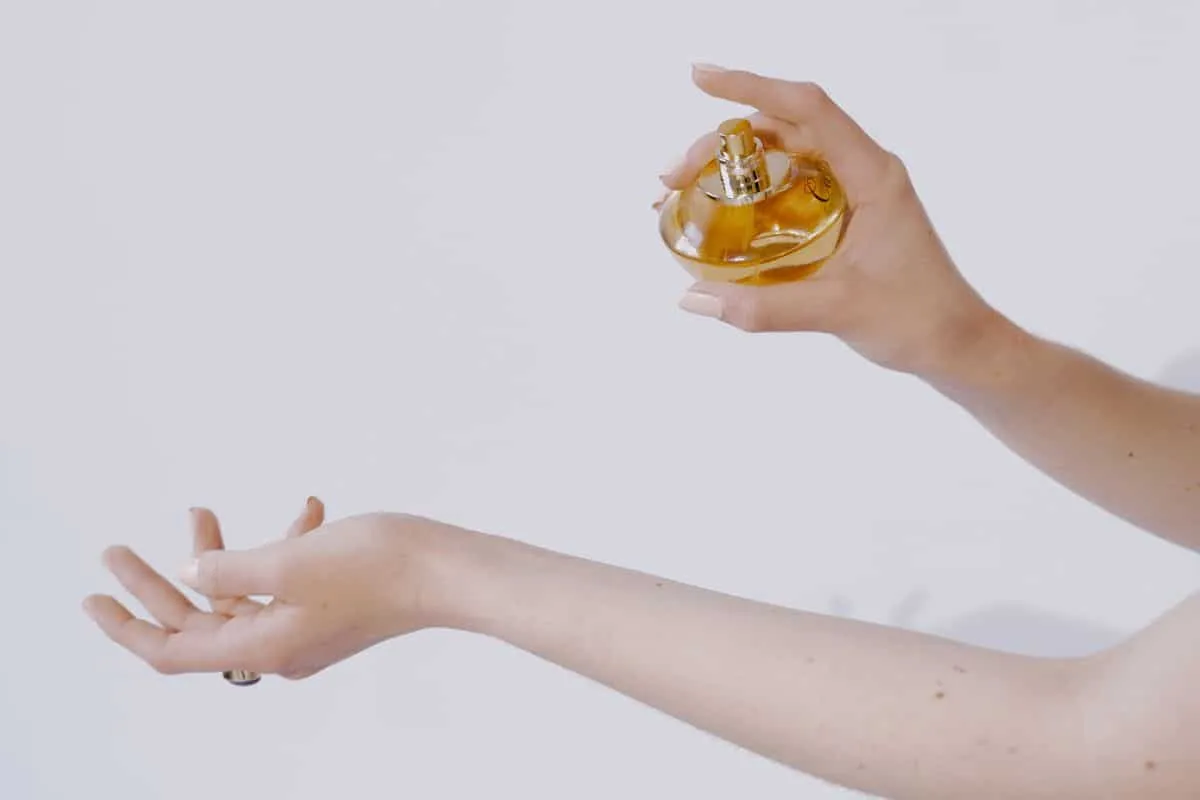
A perfume can remain enjoyable for years, but no single expiry date fits every formula and bottle. Follow the maker’s shelf-life or after-opening directions, and store it closed, away from heat and direct light. An old bottle that still smells pleasant hasn’t passed a safety test just because you like its scent.
If you mean how long perfume lasts after spraying, use our EDP wear-time guide. This page is about the liquid you keep in the bottle.
How Long Does Perfume Last Before It Expires?
Start with the maker’s guidance for the actual product. Some packaging shows an expiry date or a period-after-opening symbol, such as an open jar marked with a number of months. These aren’t interchangeable with the manufacture date or a retailer’s purchase date.
The FDA explains that cosmetic shelf life depends on the product, use and storage, and that U.S. cosmetics generally aren’t required to carry an expiration date. The absence of a printed date doesn’t mean indefinite life. Ask the manufacturer if you need guidance for a particular bottle or batch code.
Chanel says its fragrance can last several years with appropriate storage. That’s one maker’s guidance for its own perfumes, and a fair rule of thumb for a well-kept bottle; a citrus cologne opened every morning won’t keep as long as a sealed amber.
Does Perfume Go Bad?
It can. Perfume doesn’t rot, because the alcohol keeps microbes out, but its molecules react slowly with oxygen, light and heat. The first to go are usually the terpenes in citrus oils, such as limonene. They oxidise, and the bright top notes turn flat, sharp or faintly like nail varnish. Oxidised limonene and linalool also form hydroperoxides, which are stronger skin allergens than the fresh materials, one more reason a changed perfume isn’t worth persevering with.
Other changes are cosmetic. Vanillin and some resins darken with time and light, so an amber or vanilla perfume can turn a deeper gold without smelling any different. Heavy base materials, musks, woods and resins, are the most stable, which is why an old bottle often smells like a perfume with its opening missing.
Heat, light, air exposure and the condition of the closure all speed this up. A sealed spray lets in much less air than a splash bottle you open every day, and a finger-applied solid is different again. The complete formula and packaging matter more than whether a perfume is natural or synthetic.
Good storage helps preserve the product, but it doesn’t reset an expiry clock. Don’t add water, alcohol or oil to restore a perfume that has changed.
How To Tell If Your Perfume Has Expired?
You can’t determine a formula’s safety from a home smell check alone. Use the label, its storage history and any unexpected changes to decide whether to ask the maker or stop using it.
- Check the container. Leakage, a damaged pump, cracked glass or an unreliable stopper needs attention before another application.
- Look for an unexpected change. Separation, particles or a marked change from the product’s usual appearance warrants checking with the maker. A slight darkening doesn’t prove one specific cause.
- Consider the smell. If it has become unpleasant or substantially different, you don’t have to keep wearing it. A blotter can help compare the scent without putting a questionable product on skin, but it doesn’t certify safety.
- Follow the date or after-opening directions. If you can’t establish what an older bottle contains or how it was stored, don’t assume a batch-code website can settle its condition.
Stop using a product that causes a reaction, regardless of its age. FDA guidance recommends discussing suspected cosmetic-allergy symptoms with a healthcare professional.
Keeping a Bottle in Good Condition
Use the original container, keep its closure secure, and avoid sunny windowsills, heaters and hot cars. On a typical sealed spray, the decorative cap isn’t the liquid seal; our storage guide explains the difference.
For a travel portion, use a suitable labeled decant container rather than repeatedly transferring the whole bottle. Don’t dip fingers or improvised tools into the perfume.
What Should You Do With an Old Bottle?
If you still enjoy it and it is within the maker’s guidance, good storage and ordinary careful use are the practical steps. A collectible bottle’s resale value or rarity doesn’t establish that its contents suit skin use.
For contents you decide not to keep, follow local disposal guidance. Don’t pour them into a drain or pass an uncertain product to someone else without explaining its condition.
Not sure which fragrance is you?
Answer seven questions to explore fragrances for your preferences.
Related Coverage
Guide
How Long Does Eau de Parfum Last?
An EDP outlasts an EDT, but the base notes decide how long it stays. Why citrus goes first and musk stays, why you stop smelling your own perfume, and how to make it last.
Guide
How to Decant Perfume Into a Travel Atomizer
Four ways to decant perfume (pump-fill atomizer, spritz, funnel and pipette), which one suits your bottle, and why air, not the transfer, is what spoils a decant.
Guide
How to Dispose of Perfume Safely
Perfume is flammable and its musks don't break down in water treatment, so it doesn't belong down the drain. How to dispose of it, give it away, and recycle the empty bottle.