Guides
How To Store Perfume
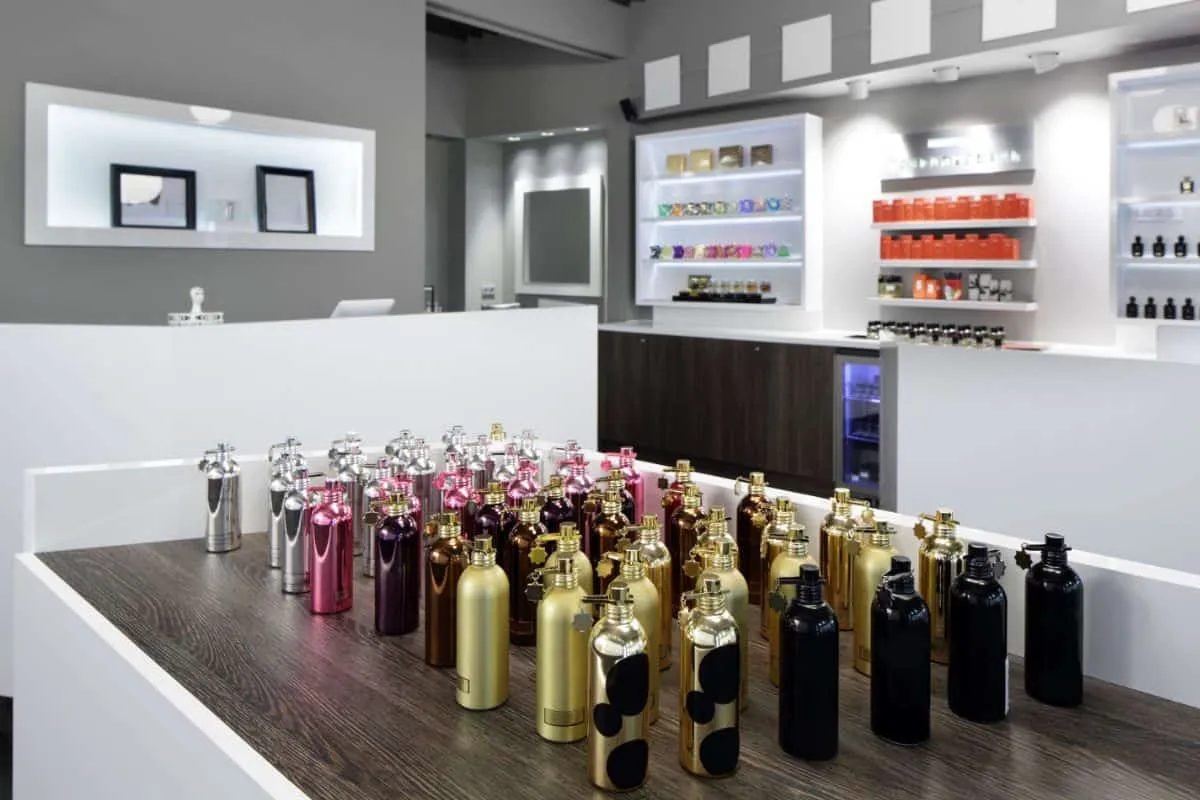
Heat, light, and air are perfume’s three real enemies — every rule below traces back to blocking one of them. Get those three right and a bottle can hold its scent for years past what’s printed on the box.
Why Perfume Degrades
Perfume oil is suspended in alcohol (or, in newer clean formulations, water). Three things break that mixture down:
- Light, especially UV, breaks apart the aromatic compounds that give a fragrance its top notes — citrus and light florals go first, which is why an old bottle can smell flat while the base notes (musk, woods) still hang around.
- Heat speeds up every chemical reaction in the bottle, oxidation included. A fragrance stored above 77°F (25°C) for months will noticeably shift faster than one kept cool.
- Air — specifically the oxygen that gets in every time the cap comes off — oxidizes the oils, the same reaction that turns opened wine.
Where to Actually Keep It
Skip the bathroom cabinet and the sunny dresser — both are wrong for different reasons. A bathroom’s humidity and temperature swings from hot showers speed up degradation, and a windowsill exposes the bottle to UV all day.
The better spot: a closet drawer, a dedicated perfume box, or anywhere dark and temperature-stable, ideally 59-77°F (15-25°C). If you kept the original box, use it — most fragrance packaging is opaque cardboard, which blocks light as well as any drawer does. Keep bottles on a low shelf rather than a high one, too; it’s the difference between a minor inconvenience and a shattered bottle that leaves a room reeking for days.
Handling That Actually Matters
- Keep it sealed until you’re using it. An unopened bottle barely degrades — the clock starts the first time air gets in.
- Close the cap every time, and don’t lose it. A bottle left open, or missing its cap, loses strength within weeks rather than years.
- Don’t decant into a different container. Splitting a bottle or refilling one exposes more surface area to air with every transfer. For travel, use a proper airtight atomizer rather than a random container.
- Don’t shake it. Agitation introduces air bubbles and can speed up the same oxidation you’re trying to avoid.
For a Collection Worth Protecting
For bottles you actually want to last — a discontinued release, something that cost real money — a dedicated storage case does more than a drawer. Most are lined and lightproof, and some hold a stable low temperature, which matters more than people expect for anything you’re not using up within a year or two.
Not sure which fragrance is you?
Take our 90-second quiz — seven questions, three picks.
Related Coverage
Guide
How to Decant Perfume
Four perfume decanting methods — spritz, funnel, dropper, and direct pour — with clear guidance on which to use based on bottle type and transfer volume.

Guide
How to Refill a Perfume Bottle
Step-by-step instructions for refilling a perfume bottle, including how to remove plastic and metal sprayer seals without cracking the glass.
Guide
Can You Bring Cologne On A Plane?
TSA carry-on limits, checked bag rules, duty-free exceptions, and practical tips for traveling with fragrance without getting your bottle confiscated.