Guides
How to Dispose of Perfume Safely
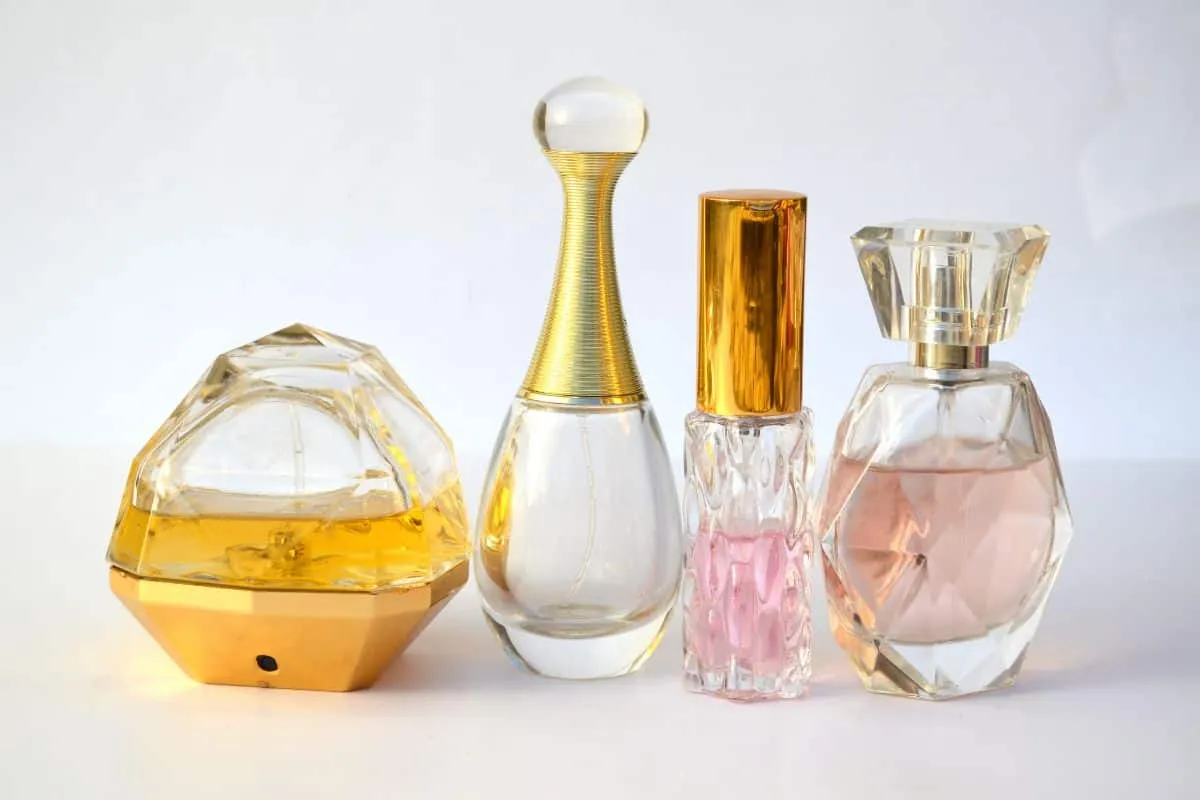
Take leftover perfume to a household hazardous waste collection, or give it to someone who’ll use it. Don’t pour it down the drain, onto the ground or into a storm sewer, and don’t burn it or leave an open bottle out to evaporate. Keep it closed in its original labelled bottle until you know where it’s going.
Why Can’t You Pour Perfume Down the Drain?
Two reasons: alcohol and musk.
Most perfume is 70–90% ethanol, which is why it’s flammable, and why the EPA counts household products that can be ignitable as household hazardous waste. A bottle poured into a sink isn’t going to explode, but it isn’t something a drain or a garbage truck should be handling in quantity.
The fragrance itself is the longer-term problem. Synthetic musks, especially the polycyclic ones like Galaxolide used in perfume and detergent, don’t break down well in wastewater treatment. They’ve been found in rivers, sediment and fish around the world. A single bottle is a drop in that, but the drain is the one place it’s sure to end up in the water.
How Do You Find a Hazardous Waste Program?
Start with your city or county’s waste website and search for “perfume”, “cosmetics”, “flammable liquids” or “household hazardous waste”. Rules and accepted items vary by place, and there’s no single national perfume drop-off. Earth911’s directory can help find local services, but confirm with the operator before you go.
Worth asking:
- Do you take perfume, and this kind of container?
- Do I need an appointment or proof of residency?
- How should I pack it for the trip?
- Are aerosols handled separately?
Don’t combine leftovers into one bottle; the EPA recommends keeping household chemicals in their original labelled containers and not mixing them. If a bottle is leaking or broken, ask how to handle it before you move it.
Can You Give Unwanted Perfume Away?
Usually the best option. If the perfume is fine and just isn’t for you, someone else will probably love it. Friends, family and fragrance-swap groups are the easy routes. Say the bottle’s been opened, and mention anything you’ve noticed about how it’s changed.
Charities and shelters vary. Some take unopened toiletries, and some don’t take perfume at all, so ask before dropping one off. Shipping is its own question: alcohol-based perfume counts as a dangerous good for many carriers, so check before you post a bottle.
Can You Use It Up Instead?
Sometimes. Spraying it into the air of a room is simply wearing it somewhere else. What doesn’t work is turning it into a homemade room spray by adding water: that changes the mixture, can let microbes grow, and leaves you with another unlabelled bottle. Don’t put perfume in a diffuser, humidifier or other appliance unless both the appliance and the fragrance say you can, and don’t leave a perfume-soaked cloth or a bottle in a hot car.
What Do You Do With the Empty Bottle?
Check your local recycling rules for the glass, pump and cap separately. Many perfume pumps are crimped permanently onto the bottle, and a mixed glass-and-metal item isn’t always accepted in curbside glass. Ask the collection service what to do with it; don’t force a crimped sprayer off with pliers. And don’t rinse a bottle that still has a lot of perfume in it just to send the contents down the drain.
A beautiful empty bottle can stay on a shelf. Just don’t use it for food or drink, and don’t fill it with a liquid someone might mistake for perfume.
Should You Throw It Out at All?
Check first. A perfume that’s darkened or smells a little different may still be fine to wear; colour alone doesn’t tell you much. How long perfume lasts explains what changes with age. If the bottle is refillable, the maker’s refill system is worth a look before you get rid of it, and if you only want a little for travel, decanting is another way to use up a bottle.
Not sure which fragrance is you?
Answer seven questions to explore fragrances for your preferences.
Related Coverage
Guide
How Long Does Perfume Last in the Bottle?
How long perfume keeps in the bottle, what actually goes wrong as it ages (oxidised citrus, darkened vanilla), how to read the date symbols, and what to do with an old bottle.
Guide
How to Decant Perfume Into a Travel Atomizer
Four ways to decant perfume (pump-fill atomizer, spritz, funnel and pipette), which one suits your bottle, and why air, not the transfer, is what spoils a decant.

Guide
How to Refill a Perfume Bottle
How to tell whether a perfume bottle is made to be refilled, how maker refill systems like Dior's and Mugler's work, and why a crimped sprayer and a top-up of water are both bad ideas.