Fragrance 101
What Is a Niche Fragrance?
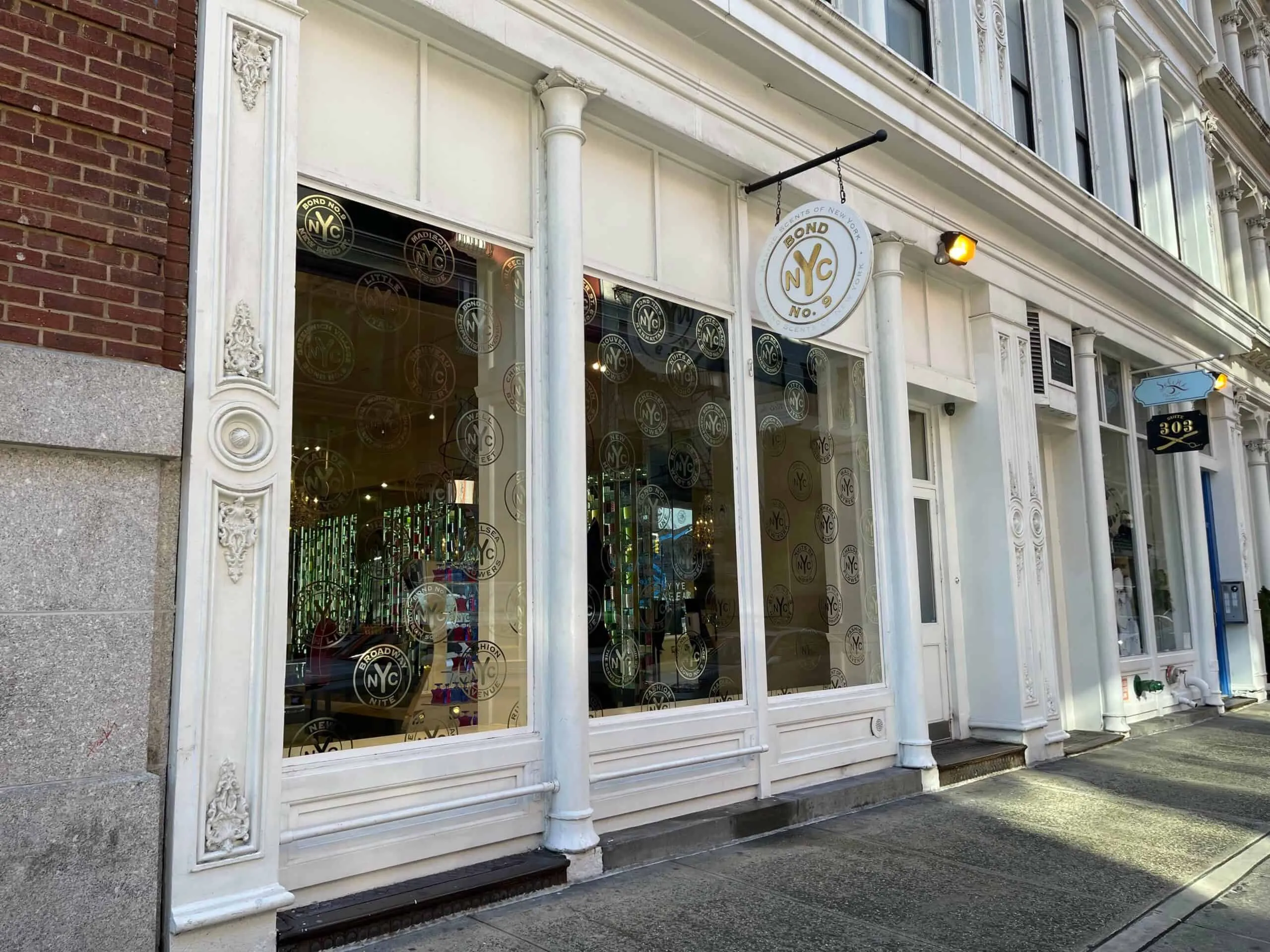
Niche fragrance means perfume from a house that only makes scent, not a fashion label selling perfume alongside handbags. It began as a reaction: Diptyque’s first perfume came out in 1968 and L’Artisan Parfumeur in 1976, with small ranges, odd ideas and no designer name on the box. In 2000 Frédéric Malle went further and printed the perfumer’s name on every bottle.
The word has blurred since. Estée Lauder bought Le Labo and Frédéric Malle in 2014, and Puig bought Byredo in 2022, so a lot of “niche” is now owned by the same groups as designer perfume. It’s still a useful way to browse. Our niche houses guide covers the independents.
What Is Considered a Niche Fragrance?
Specialist perfume houses build their identity around scent. Maison Francis Kurkdjian describes its founding as a partnership between perfumer Francis Kurkdjian and Marc Chaya, with a collection bearing the perfumer’s name. Le Labo is another familiar example of a fragrance-focused brand.
These houses can also sell candles, body care and other scented products. Le Labo’s company profile describes perfumes and candles as the core of its collection, alongside body, hair, face and grooming products.
“Niche,” “independent” and “artisan” answer different questions. Niche broadly describes a brand’s position in fragrance. Independent concerns ownership; artisan often describes how someone works or makes products. A house’s own story usually tells you which it is.
How Does Niche Differ From Designer Fragrance?
A designer fragrance carries the name of a fashion or luxury label, such as Chanel, Dior or Prada. A niche fragrance comes from a specialist scent house. Both categories contain many styles and price points.
The brand, owner, beauty licensee and perfumer can be different parts of the story. L’Oréal’s Prada profile identifies Luna Rossa Ocean as a launch under its Prada licence. Le Labo appears among The Estée Lauder Companies’ brands, so specialist perfumery and independent ownership should be checked separately.
For a new shortlist, the practical questions are more specific:
| What you want to know | What to compare |
|---|---|
| Will I enjoy the scent? | Notes, style and the exact version |
| Who composed it? | The maker’s perfumer credits |
| Can I try it before buying? | Vials, discovery sets and authorised stockists |
| Does the format suit me? | Concentration, application and bottle size |
| Is it within my budget? | The current price of the size you expect to use |
Are Niche Fragrances Better Than Designer?
No. Niche houses can take risks a designer brand won’t, a mushroom perfume, a bat cave, and that’s what makes them fun. But plenty of designer perfumes are beautifully made, and Chanel No. 5 and Shalimar both come from big houses. Wear what you like.
A specific description gives you more to work with than a promise of complexity or exclusivity. You might want a drier sandalwood, a less sweet vanilla or a rose with more spice. Use those differences to find candidates across brands. Our notes guide explains how note descriptions can help.
Le Labo Santal 33 shows why smelling it first matters. One wearer enjoys soft, sweet woods with a floral character, while some others dislike a dill or pickle-like impression on skin. Those individual wearer accounts offer something concrete to check if you are considering it. Its category alone would not tell you which impression you will enjoy.
How Do I Choose a Niche Fragrance?
Pick a scent direction first, then find a few perfumes that let you compare it. If you enjoy woods, for instance, compare a dry woody perfume with a sweeter woody-amber one. You will learn more from a useful contrast than from buying several bottles because their brands share a label.
Every house sells differently. Papillon’s FAQ points readers to stockists and its sample service. Most niche houses sell small vials or discovery sets, which are the cheapest way to try several.
Wear a promising one during your usual routine, return to it on another day and decide whether you want to keep wearing it. The signature-scent guide has a simple way to record those comparisons.
Not sure which fragrance is you?
Answer seven questions to explore fragrances for your preferences.
Related Coverage

Guide
What Are Top, Middle, and Base Notes in Perfume?
Top, middle and base notes describe a perfume’s opening, heart and lasting character. Learn how to read a note pyramid and compare samples through their development.

Guide
The Best Independent Niche Perfume Houses Worth Knowing
What niche perfume means now that the big groups own Le Labo, Malle and Byredo, and five independent houses worth knowing, from Aftelier's naturals to Zoologist's Bat.
Guide
How to Find Your Signature Scent
Find a signature scent by narrowing the notes you enjoy, comparing exact versions and wearing samples in your usual routine. Includes an optional approach to layering.