Culture & History
What Is National Fragrance Day?
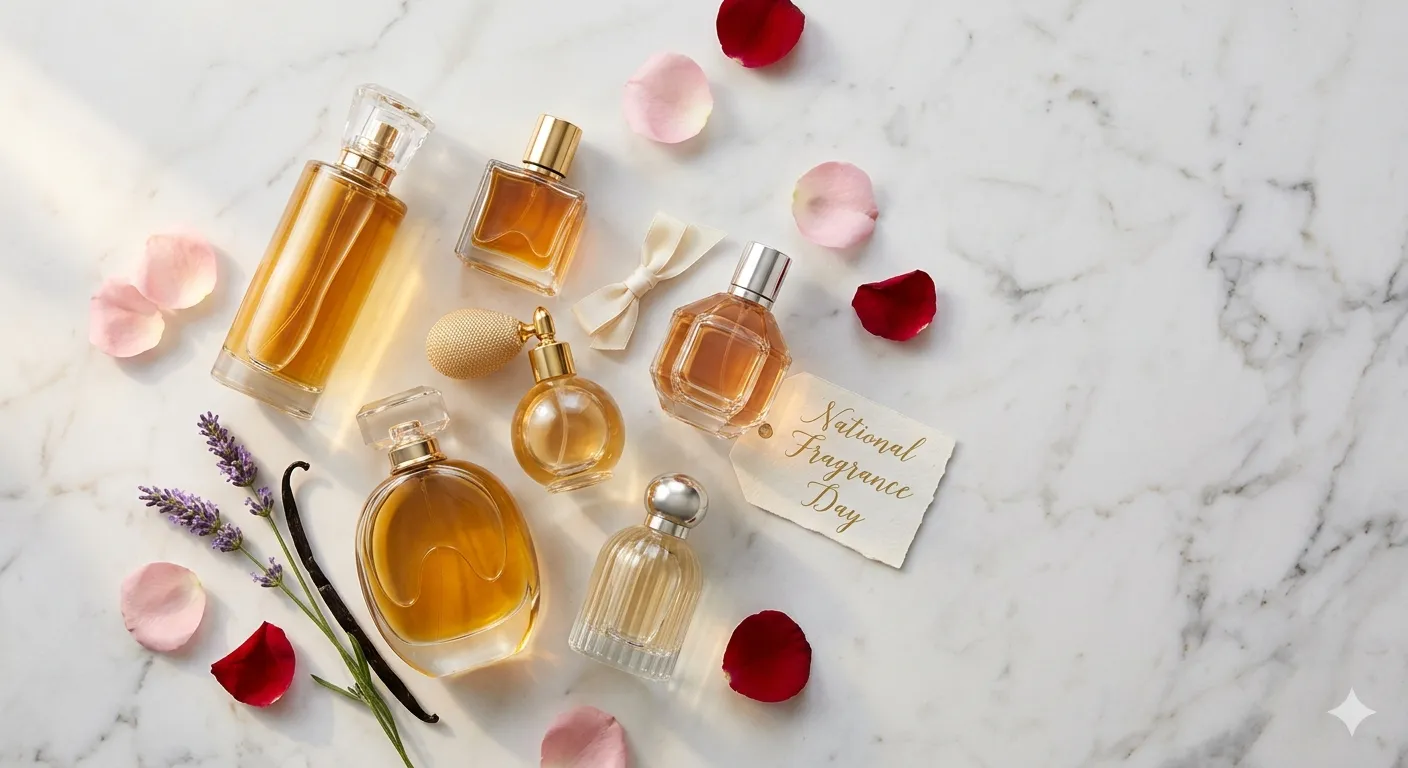
National Fragrance Day is March 21 — the first day of spring. The date isn’t random. The fragrance industry runs on seasons, and spring is when most people swap their heavier winter scents for something lighter.
Why March 21?
The spring equinox has been tied to perfume for a lot longer than any marketing calendar. Ancient perfumers in Grasse depended on spring harvests of jasmine, rose, and orange blossom to produce the year’s oils. The connection between new growth and new scent is genuinely old.
The modern version is more commercial, obviously. Spring is when brands launch their fresh and floral lines, department stores rotate their counter displays, and people start thinking about what they want to smell like when it’s warm. Pinning a “National Day” to March 21 just formalizes what the industry was already doing.
Who Started It?
The informal version has been around since the early 1980s, when perfume manufacturers started promoting the date. But the organized, trademarked version comes from The Fragrance Foundation, an industry trade group founded in 1949.
The Foundation runs the annual Fragrance Foundation Awards (formerly the FiFi Awards), represents both major brands and independent perfumers, and has been the closest thing the fragrance world has to a governing body for over 70 years. They officially established March 21 as Fragrance Day™ in 2018.
Since then, the day has grown into an actual event. In 2019, over 60 brands and retailers participated with in-store activations, perfumer panels, and social media campaigns. The Foundation held its first virtual event in 2021. This year’s celebration is at the Miami Beach Botanical Garden.
What Fragrances Work for Spring?
Spring calls for lighter compositions. The heavy ouds, ambers, and dense orientals that work in cold weather can feel suffocating once temperatures rise. What works instead:
Citrus. Citrus perfumes are the most obvious spring pick, and they’re obvious for a reason. Bergamot, grapefruit, yuzu, lemon — they all read fresh without being boring, especially when a perfumer builds something interesting underneath them.
Light florals. Jasmine, lily of the valley, peonies, and lavender all hit their stride in spring. You want the sheer, dewy versions rather than anything heavy or indolic.
Clean and green. Scents that smell like fresh laundry, cut grass, or rain on concrete. These don’t always get much respect from fragrance enthusiasts, but they’re genuinely pleasant to be around when the weather turns.
Marc Jacobs Daisy is the go-to spring fragrance for good reason — a straightforward mix of strawberry, violet leaves, and jasmine that costs less than most designer alternatives and works reliably from March through June. It doesn’t try to be complicated, and it doesn’t need to be.
Not sure which fragrance is you?
Take our 90-second quiz — seven questions, three picks.
Related Coverage
Guide
Perfumes That Smell Like Fresh Laundry
Discover the best perfumes that capture that fresh, clean laundry scent. From luxury options to budget-friendly picks, find your perfect clean fragrance.
Guide
Alexandria Fragrances: The Niche-Quality Dupe House
How Alexandria Fragrances became the cult-favorite house for niche-luxury fragrance interpretations, and which of their fragrances are worth the upgrade.
Guide
ALT. Fragrances: The DTC Dupe House With an Editorial Eye
What makes ALT. Fragrances different from Dossier, the catalog they've built, and where they fit.