Culture & History
Reek Perfume: A Tribute to Formidable Women
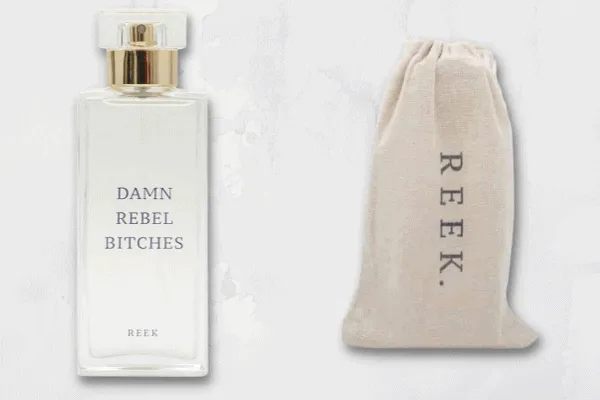
Reek Perfume was an Edinburgh-based fragrance house founded by mother-daughter duo Sara Sheridan, a historical novelist, and Molly Sheridan, a make-up artist and art director. Their mission was to celebrate “powerful, unapologetic women” who had been overlooked by history.
Launched in 2016, the company released two vegan, hand-mixed fragrances inspired by Jacobite women: Damn Rebel Bitches and Damn Rebel Witches. Both were crafted in collaboration with perfumer Sarah McCartney of 4160 Tuesdays.
Reek closed in 2020 and the original fragrances are no longer made. If you came here looking to buy them, we’re sorry — they’re gone. But if what drew you to Reek was the values (independent, story-driven, made by women, willing to put history into a bottle), there’s a small list of houses still doing that work today.
If you loved Reek’s spirit, try these instead
The most direct lineage is Sarah McCartney’s own house, 4160 Tuesdays — she’s the perfumer who actually mixed the Reek fragrances, and her own line continues in the same handmade, story-first register. Order directly from her London studio.
Two more UK-based indie houses with overlapping values: Ruth Mastenbroek (small Surrey-based studio, woman-led, deeply personal compositions) and Ormonde Jayne (Mayfair niche, woman-founded, generally darker and more architectural than Reek but in the same independent-storytelling register).
For Amazon-buyable picks in a similar artisan-narrative spirit:
D.S. & Durga Mississippi Medicine
Husband-and-wife indie house out of Brooklyn. Mississippi Medicine is built around an 800 BC Native American burial ritual — pine resin, cypress, and a smoky birch tar. Same impulse Reek had: turn a specific historical thread into a wearable scent. Reads grown-up and a little austere; not for someone who wants pretty.
Maison Margiela Replica Jazz Club
Margiela’s Replica line is the mainstream-luxury answer to scent-as-memory. Jazz Club specifically — rum, tobacco leaf, vanilla — sets a 1930s Brooklyn speakeasy in glass. Not as conceptually deep as Reek but it scratches the “story-in-a-bottle” itch and is widely available.
Aesop Hwyl
Australian niche, named for a Welsh word that doesn’t translate cleanly (something like “stirring spirit”). Smoky vetiver and woods, restrained, designer-y. The aesthetic match for Reek is the seriousness — Aesop also refuses to make easy crowd-pleasers.
The Jacobite Uprising
The Jacobite uprisings were a series of conflicts between 1688 and 1746, as various factions sought to restore the Stuart dynasty to the thrones of England, Scotland, and Ireland. These were turbulent, deeply personal struggles — and women played crucial roles that mainstream history has largely forgotten.
Reek Perfume set out to change that, using fragrance as a medium to tell the stories of the women who fought, healed, and conspired during some of Scotland’s most dramatic chapters.
The Fragrances
Damn Rebel Bitches
The first fragrance featured blood orange, clary sage, pink peppercorns, and malt — all ingredients that Jacobite women would have had access to. The result was a sweet, citrus-forward scent with a spicy edge, layered with history down to every note.
The name was borrowed from a book by author Maggie Craig, which recounted the overlooked stories of women who participated in the 1745 uprising.
Damn Rebel Witches
The second fragrance was dedicated to the healers and herbalists of the era. Its notes of tobacco, twigs, musk, oakmoss, and hazelnut brew evoked the Scottish countryside where Jacobites would have hidden.
It opened with a dry, intriguing aroma of orange and tobacco, then transitioned to warmer, maltier notes as it settled on the skin. Oranges were relatively new in Britain during this period, but they were gaining popularity — marmalade was already becoming a staple in the Scottish Highlands.
The Details That Mattered
Even the packaging told a story. Each bottle was housed in a calico bag reminiscent of the materials Jacobite women used to carry their possessions. The product names deliberately reclaimed words that were originally intended as insults, turning them into badges of pride and defiance.
The perfumes were first sold at the Urban Reivers pop-up store in Edinburgh during the 2016 Edinburgh Festival, which offered a curated selection of Scottish-themed luxury goods.
These were not mainstream crowd-pleasers. They were artisanal, cruelty-free fragrances made for women by women — deliberately stepping away from the typical floral scents marketed to that audience.
The End of Reek
Reek Perfume closed in 2020. The company had plans for a men’s scent inspired by another of Maggie Craig’s books, but it never materialized.
In its short lifespan, Reek managed to create something rare: fragrances that were genuinely about something beyond smelling good. Their scents were acts of historical reclamation — a reminder that perfumery can be as much about storytelling as it is about chemistry.
If you’re interested in how fragrance has evolved over the centuries, see our guide to the history of perfume.
Not sure which fragrance is you?
Take our 90-second quiz — seven questions, three picks.
Related Coverage
Guide
The Most Popular Fragrances of All Time
From ancient Egyptian incense to modern niche perfumery — a timeline of the most iconic fragrances ever made and the brands that shaped the industry.

Guide
What is Musk in Perfume: The Scent of Desire
Musk is one of perfumery's oldest ingredients — a guide to its origins, shift from animal to synthetic sources, and role in modern fragrances.
Guide
Alexandria Fragrances: The Niche-Quality Dupe House
How Alexandria Fragrances became the cult-favorite house for niche-luxury fragrance interpretations, and which of their fragrances are worth the upgrade.