Fragrance 101
What is Musk in Perfume: The Scent of Desire
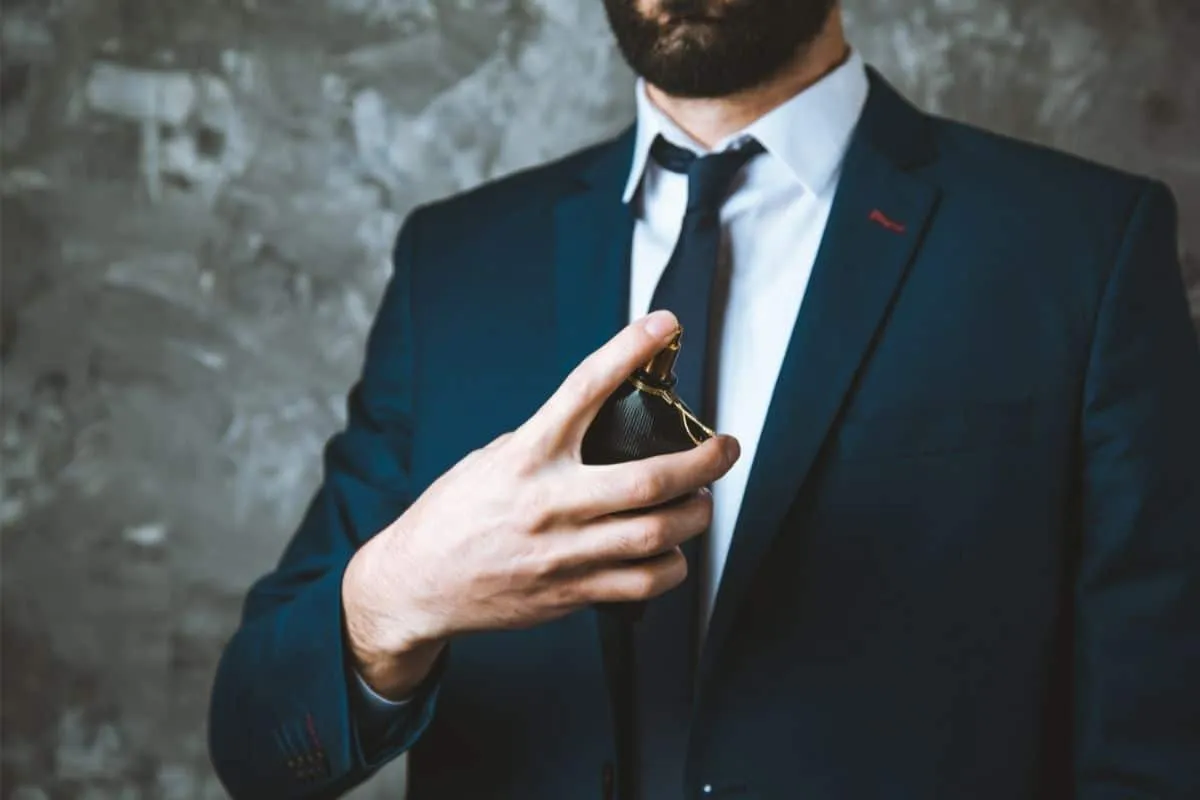
Narciso Rodriguez by Narciso Rodriguez
When it comes to the world of perfumery, there’s one scent that has captured the attention of fragrance enthusiasts for centuries: musk. But what is musk in perfume?
(No, not that Musk!)
Sometimes described as the “scent of desire,” musk has a sensual, warm, and animalistic quality that’s difficult to resist — qualities shared by the sexiest fragrances for men and women.
Below: where musk in perfume actually comes from (it hasn’t come from a deer in over a century), what each of the modern synthetic substitutes smell like, and why the note keeps showing up in almost every commercial fragrance you’ll encounter. For specific bottles built around the note, see our list of musk perfumes.
What Is Musk in Perfume?
Musk is often a hot topic in today’s fragrance discussions, but it’s been an essential component of perfumery for millennia. We can trace its origins back to the ancient Greek word μόσχος ‘moskhos’ or the Persian ‘Mushk,’ both stemming from civilizations in the BCE era.
What makes musk so alluring is its subtle ability to evoke the scent of animalistic desire. Perhaps not so surprisingly, its original source wasn’t derived from flowers, plants, or oils – it came from an animal: the musk deer.
Native to regions spanning from Afghanistan to Northern Vietnam, the musk deer is named after its unique musk gland, used by males to mark their territory.
Other deer detect the musk scent to determine the owner of a territory, which can lead to rival males battling for the domain or females deciding to join the resident male.
Historically, musk was acquired by hunting or poaching adult male deer, often through pre-laid traps. The musk gland, located in a pouch under the abdomen’s skin, was removed and dried. The reddish paste inside would eventually become a dark granular substance called ‘musk grain,’ which was tinctured with alcohol to create a liquid musk solution for perfumery.
However, as empires expanded in the 19th century and industrialization surged globally, the musk deer population dwindled, prompting the search for alternative musk sources. While other animals like the muskrat, musk duck, musk ox, musk beetle, and musk turtle were considered, most didn’t produce enough musk for widespread use.
Nowadays, the perfume industry has largely transitioned to synthetic musk to emulate the scent of the musk deer, primarily to protect these animals from endangerment or extinction.
Why Do We Use Musk In Perfumes?
So why do we use musk in perfumes? It’s not just the alluring scent that makes it a sought-after ingredient; musk plays a crucial role in the foundation of perfumery. In fact, even non-musky perfumes often contain musk.
The secret lies in musk’s fixative properties. In scientific terms, a fixative is a substance that reduces the volatility of a solution or formula. In the context of perfumes, a fixative extends the longevity of the liquid and slows down the evaporation process — this is central to what makes perfume last.
Many perfume ingredients, like alcohol, are highly volatile and can disrupt the chemical composition of the final product. Alcohol, particularly ethanol (80% to 100% proof), is a common ingredient in perfumes and is very volatile. Once exposed to air, it evaporates quickly.
Since alcohol forms the base of most perfumes, rapid evaporation could leave behind an unpleasant, oily residue.
Fixatives, on the other hand, are generally heavier, stable ingredients that maintain their original form. Other ingredients bind to these fixatives, preventing them from breaking apart easily.
Musk stands out among fixatives for its exceptional stability and long-lasting nature, making it ideal for not only enhancing a perfume’s aroma but also for preserving its stability and usability over time.
What Does Musk Smell Like?
Describing the scent of musk can be a bit challenging. While it does have a distinct aroma, it can vary slightly from person to person. Most scents are subjective, but musk seems particularly prone to individual interpretation.
This might be because musk was originally intended to attract members of the same animal species as the musk gland, so people are drawn to similar smells. Nevertheless, there are certain characteristics that are commonly associated with the scent of musk.
Musk is often described as a complex fragrance, boasting feral, animalistic notes accompanied by a loamy, earthy undertone. In a way, it’s reminiscent of body odor or skin, but with a softer and more enticing quality.
One reason musk might be so appealing is that it resembles a person’s natural scent rather than masking it.
Synthetic and plant-based musk varieties, while still pleasant, may lack the same primal allure.
Ultimately, as humans, we are still animals and use our sense of smell to make decisions about what we like and don’t like – including people. Even if we do so subconsciously, we may be attracted to someone based on their scent…
Ready to Buy?
Here are our top recommendations from this article.
Not sure which fragrance is you?
Take our 90-second quiz — seven questions, three picks.
Related Coverage
Guide
What Ingredient Makes Perfumes Last?
Perfume longevity depends on fixatives and low-volatility ingredients like musk, amber, and jasmine — here is how perfumers use chemistry to make scents last.
Guide
The 5 Sexiest Fragrances For Men And Women
Ten fragrances for men and women that balance tension and warmth to create genuine allure, from Paco Rabanne 1 Million Parfum to Tom Ford Black Orchid.
Guide
EDT vs EDP vs Parfum: Which One Should You Actually Buy?
Eau de Toilette, Eau de Parfum, and Parfum differ in oil concentration, not quality. Here's how to pick the right one for your budget and skin.