Fragrance 101
Patchouli Oil: What Does It Smell Like?
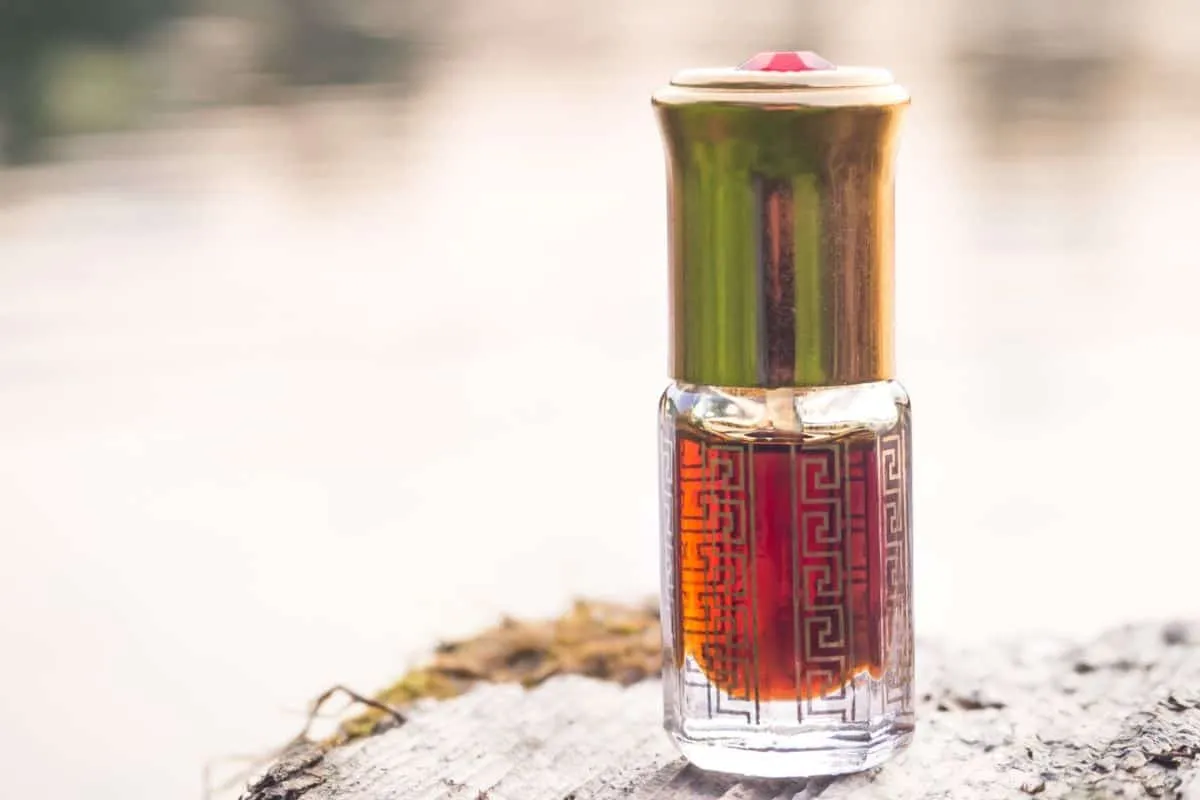
Patchouli oil smells of damp earth and dry wood, with a dark, almost cocoa-like sweetness and a cool, camphor edge. On its own it’s heavy enough to fill a room. In a perfume, a little of it gives roses, ambers and gourmands their depth.
What Is Patchouli Oil?
It’s an essential oil steam-distilled from the dried leaves of Pogostemon cablin, a bushy plant in the mint family. The fresh leaves smell of very little. The oil sits in tiny glands inside the leaf, and drying, sometimes with a little fermentation, breaks those cells down so the steam can carry the oil out.
Most of the world’s patchouli comes from Indonesia, much of it grown by smallholders on Sulawesi and Sumatra. Givaudan’s sourcing work in Sulawesi gives a sense of how much the growing and processing shape the oil perfumers buy.
What Does Patchouli Oil Smell Like?
Earth first: wet soil, forest floor, a cellar. Then dry wood, a little smoke, and a sweet, dark note that reminds some people of chocolate. There’s also a cool, slightly medicinal edge, like camphor.
The main molecule is patchoulol (patchouli alcohol), which is woody and earthy. A much smaller one, norpatchoulenol, is present in tiny amounts but is a large part of what makes the oil smell like patchouli rather than generic wood. Patchouli is also one of the few essential oils that improves with age. Fresh oil can be harsh and green, while aged oil turns smoother, darker and sweeter.
That’s partly why the raw oil has a bad name. Dabbed neat from a bottle it’s one loud note, and the smell of a 1970s head shop. In a perfume, citrus brightens it, rose softens it and vanilla turns its earthiness into something like chocolate. Perfumers also use fractionated patchouli, with the earthiest parts taken out, for a cleaner woody note in modern chypres.
Why Is Patchouli Linked With Hippies?
It started with shawls. In the 19th century, Indian traders packed cashmere shawls with dried patchouli leaves to keep moths out, and European buyers came to treat the smell as proof that a shawl was genuine. Patchouli was a luxury smell long before it was a cheap one.
The hippie link came in the 1960s and 70s, when Western travellers brought back patchouli oil from India along the overland routes. It was cheap, strong and natural, and it covered other smells. That reputation stuck harder than the shawls did.
How Is Patchouli Used in Perfume?
As a base note, mostly. Patchouli evaporates slowly, so it’s still there after the top notes have gone, and it gives a perfume weight. It’s the earthy half of the classic chypre (bergamot over oakmoss and patchouli), it’s in the base of Chanel’s Coco Mademoiselle and Lancôme’s La Vie Est Belle, and it’s what stops many gourmands from smelling like pure sugar.
Our patchouli perfume list compares finished fragrances that put it up front. For a different earthy note, try the vetiver in woody perfumes. If you like how patchouli lingers, musk works the same way and smells nothing like it.
Patchouli oil also scents soap and incense. Don’t use it to treat wounds, infections, arthritis or depression, or in place of an approved insect repellent. None of those uses follow from its role as a perfume ingredient.
Can Patchouli Oil Irritate Skin?
Yes. Plant-derived oils can cause reactions, and a natural label doesn’t establish that a product suits your skin. The FDA’s cosmetic-allergen guidance includes patchouli oil among fragrance materials associated with allergy concerns.
Poison Control advises against using essential oils on damaged skin and explains the irritation risk from direct contact with concentrated oils. Don’t apply undiluted essential oil to your skin. Use a product formulated for its intended purpose and follow its directions. If patchouli causes a reaction, stop using it; switching to patchouli soap doesn’t necessarily avoid the same ingredient.
Not sure which fragrance is you?
Answer seven questions to explore fragrances for your preferences.
Related Coverage
Guide
What Is Musk Scent? Musk in Perfume, From Deer Glands to Clean Laundry
Musk started as a gland from the male musk deer. How chemists replaced it with nitro, polycyclic and macrocyclic musks, why some people can't smell them, and what each smells like.
Guide
EDT vs EDP vs Parfum: Which One Should You Actually Buy?
EDT, EDP and Parfum differ in how much perfume oil they hold, and often in the formula too. What the labels mean, what alcohol does, and how Dior Sauvage changes across all three.
Guide
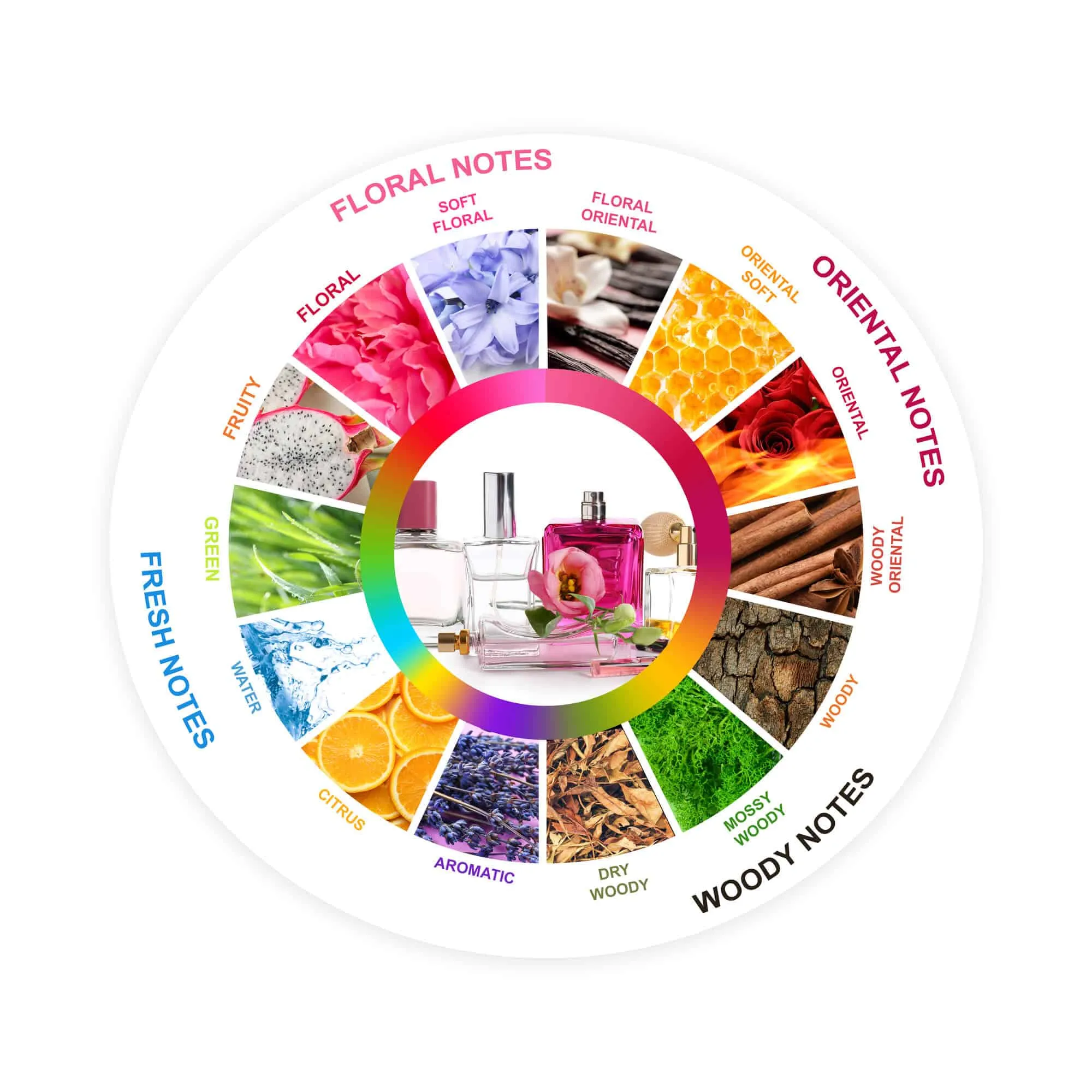
The Fragrance Wheel: 4 Main Perfume Families Explained
The fragrance wheel groups floral, amber, woody and fresh scents. Use these four families to describe perfumes, compare samples and find related styles.