Culture & History
The Most Popular Fragrances of All Time
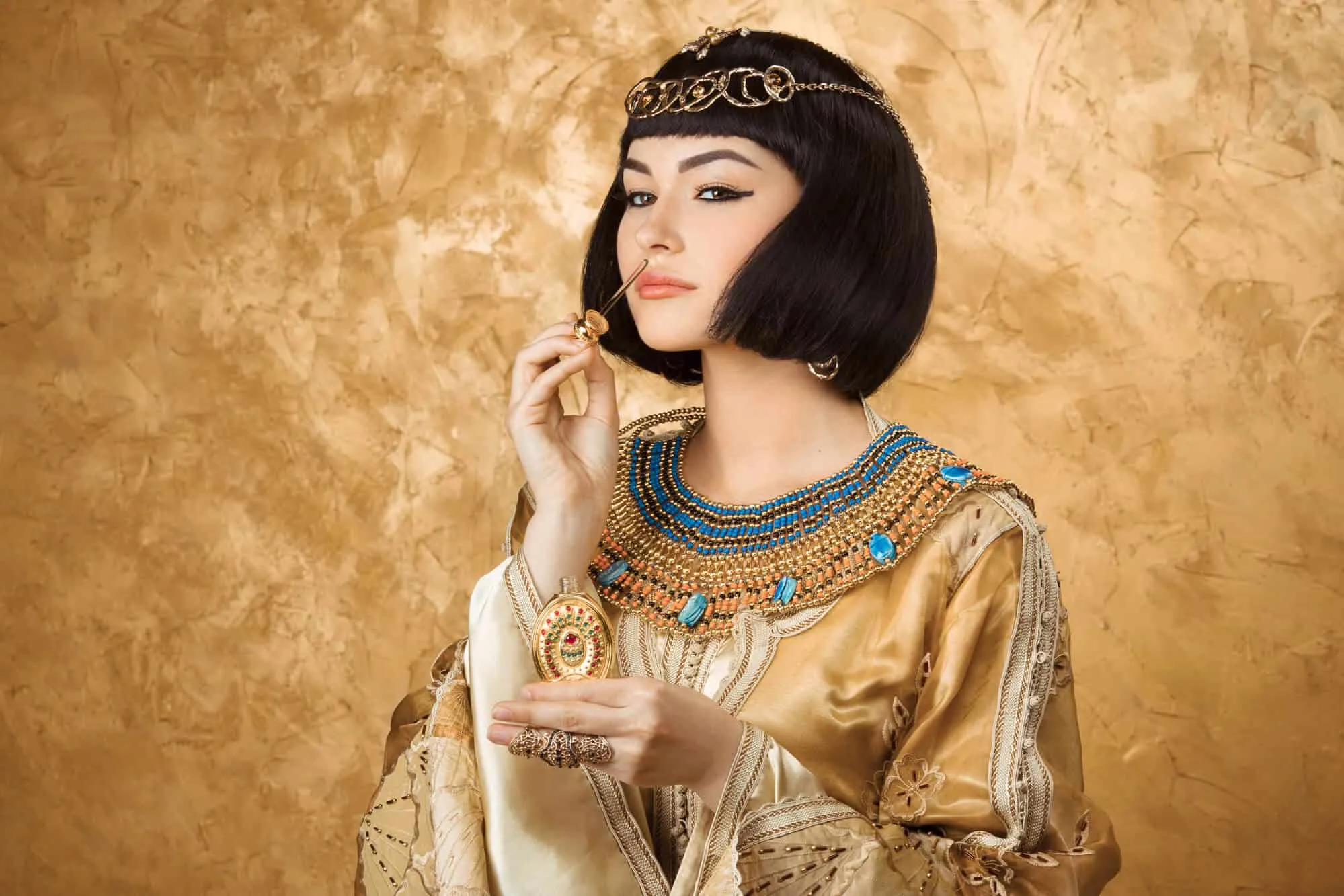
Perfume has been around for at least 4,000 years. Some of the most important fragrances ever created are still in production, and many of the ideas that shaped the industry — aldehydes, orientals, gourmands, unisex scents — can be traced to a single bottle and the person who made it.
Where Perfume Began
The word “perfume” comes from the Latin per fumus — “through smoke” (Source). That’s fitting, because the earliest perfumes were burned, not sprayed. In ancient Egypt, priests prepared Kyphi as early as 1500 BCE, blending honey, wine, raisins, and tree resins into pellets that were set on fire as temple offerings. Kyphi wasn’t vanity. It was religion.
For the next three thousand years, fragrance stayed tied to ritual, medicine, and status. The first alcohol-based perfume we know of is Hungary Water, created in the 14th century — supposedly for Queen Elizabeth of Hungary — from rosemary and other herbs steeped in alcohol. It was used as much for its supposed healing properties as for its smell.
The modern idea of cologne dates to 1709, when Giovanni Maria Farina, an Italian living in Cologne, Germany, began selling a light citrus-and-herb blend he called “Eau de Cologne.” Farina wrote that it reminded him of “an Italian spring morning, mountain daffodils and orange blossoms after the rain.” His shop is still open. Napoleon reportedly went through several bottles a day.
By the Victorian era, perfumery had become a commercial industry centered on natural flower extracts — rose, jasmine, violet, and orange blossom, often blended with animal fixatives like musk, ambergris, and civet. These fragrances were heavy, expensive, and socially coded. A respectable woman wore light florals. Anything muskier signaled something else entirely.
That social code would hold for decades, until a fashion designer in Paris decided to break it.
The 20th Century: Brands That Changed Everything
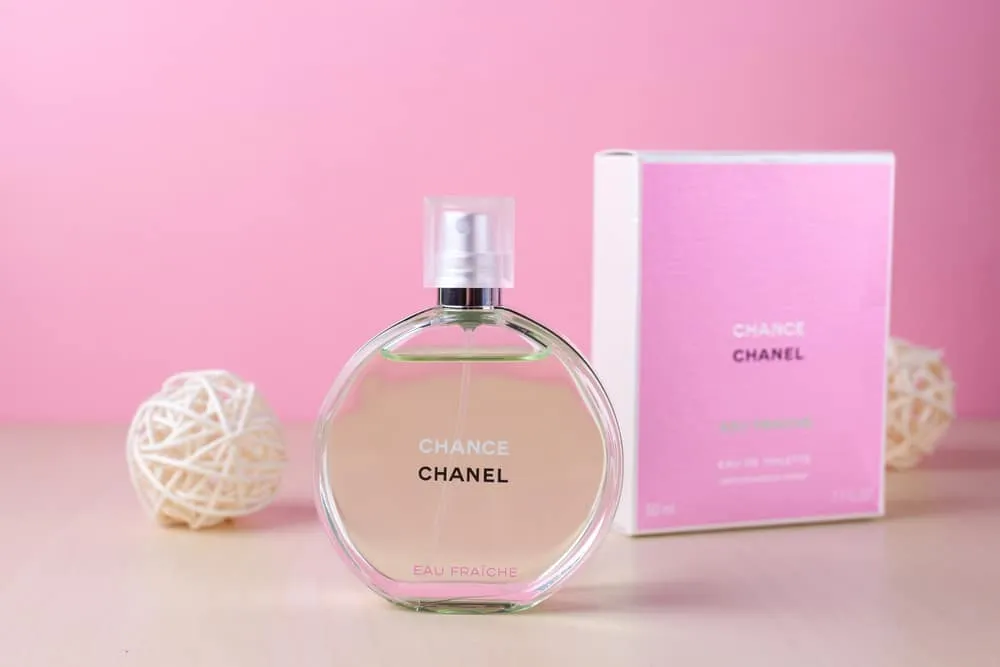
Chanel — No. 5 (1921). Before No. 5, women’s perfume meant single-flower scents: rose, violet, lily of the valley. Coco Chanel wanted something abstract — a fragrance that smelled like a woman, not a garden. She hired Ernest Beaux, who used aldehydes (synthetic molecules that add a fizzy, soapy lift) to create something no one had smelled before. The marketing was just as deliberate: Chanel pitched it to flappers as a scent for the modern, independent woman. For the first time, a musky, complex fragrance was socially acceptable for respectable women to wear. No. 5 didn’t just sell well. It redefined what women’s perfume could be. (Chanel’s house has been reshaping the category ever since — see what Chanel Chance smells like for a profile of the modern flanker line.)
Guerlain — Shalimar (1925). Jacques Guerlain created Shalimar by adding a heavy dose of vanillin to Guerlain’s existing Jicky formula. The result was the first major “oriental” fragrance — warm, sweet, resinous, and nothing like the fresh florals that dominated the market. He named it after the Shalimar Gardens in Lahore, built by Mughal Emperor Shah Jahan for his wife Mumtaz Mahal (the same love story behind the Taj Mahal). Shalimar’s combination of bergamot, jasmine, vanilla, and smoky incense created a template that perfumers are still riffing on a century later. It remains Guerlain’s best-known work.
Jean Patou — Joy (1930). Jean Patou launched Joy during the Great Depression, which sounds like terrible timing — but that was the point. He sent bottles to his wealthiest clients as gifts, positioning it as an extravagance worth having in dark times. The formula used enormous quantities of Bulgarian rose and Grasse jasmine (reportedly 10,600 jasmine flowers and 336 roses per ounce). Patou marketed it as “the costliest perfume in the world,” and for decades, it was.
Dior — Miss Dior (1947), Eau Sauvage (1966), Poison (1985). Christian Dior launched Miss Dior the same year as his “New Look” fashion collection, and the two were designed to work together — a chypre floral for the cinched-waist, full-skirted silhouette he was selling. Eau Sauvage, released in 1966, was one of the first men’s fragrances to use hedione, a synthetic jasmine molecule that gave it a fresh, almost transparent quality. It sold millions of bottles and still does. Then came Poison in 1985, a dense, purple-hued bombshell of tuberose, incense, and plum that you could smell from across a room. People either loved it or left restaurants over it. Dior has always been willing to swing big; Poison was the biggest swing.
Estée Lauder — Youth Dew (1953). In the 1950s, perfume was something a husband bought for his wife. Women didn’t buy it for themselves — it was considered too intimate a gift. Estée Lauder got around this by selling Youth Dew as a bath oil. It happened to also work as a perfume, of course, but the bath-oil framing let women purchase it without social awkwardness. It was warm, spicy, heavy on cloves and balsam, and it sold spectacularly. By some estimates, Youth Dew was responsible for 80% of Estée Lauder’s revenue in its early years.
Yves Saint Laurent — Opium (1977). YSL named a perfume after a drug, and then launched it on a boat in New York Harbor with models draped across opium-den sets. Anti-drug groups and Chinese American organizations protested. YSL didn’t pull back. The controversy generated enormous press coverage, and Opium became a massive hit — a rich, spicy oriental that matched the decade’s appetite for excess. It’s a reminder that provocation, when backed by a genuinely good fragrance, tends to work.
Thierry Mugler — Angel (1992). Before Angel, no one was putting chocolate and caramel in a women’s fragrance. Perfumer Olivier Cresp built it around ethyl maltol (a molecule that smells like cotton candy) layered over patchouli, and in doing so invented the gourmand category. The industry was skeptical. Women’s fragrance in the early ’90s meant clean florals and light aquatics. Angel was the opposite — sweet, loud, polarizing. It divided rooms. It also became one of the best-selling fragrances in history and opened the door for every dessert-inspired perfume that followed.
Calvin Klein — CK One (1994). The first mainstream unisex fragrance. Alberto Morillas and Harry Fremont designed it as a clean, stripped-down blend of citrus, green tea, and white musk, packaged in a frosted apothecary bottle. The marketing leaned heavily on androgyny and ’90s youth culture — Kate Moss, waifs, everyone sharing the same bottle. CK One sold 20 million bottles in its first year. The unisex concept wasn’t entirely new (Jicky and some niche scents had been marketed to both genders), but CK One proved it could work at mass scale.
Gucci has had an uneven fragrance history, cycling through creative directors and licenses, but Gucci Rush (1999) — a synthetic, candy-like floral with a cult following — and Gucci Bloom (2017) under Alessandro Michele are worth noting.
Lancôme — La Vie Est Belle (2012). A modern commercial powerhouse built on iris, praline, and vanilla. It doesn’t break new ground the way Angel or No. 5 did, but it found an enormous audience and has been one of the top-selling women’s fragrances worldwide for over a decade. Sometimes a well-executed crowd-pleaser is exactly what the market wants.
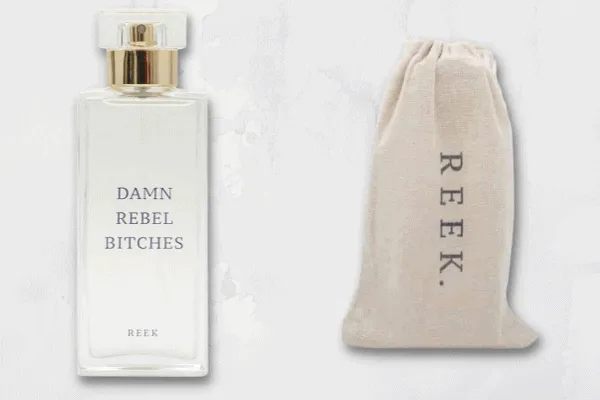
Not every perfume house aims for mass appeal. Some of the most interesting recent examples have used fragrance as a vehicle for storytelling — like Reek Perfume, an Edinburgh-based house that built historically inspired scents around Jacobite women before closing in 2020.
Sources
Perfume: A Century of Scents by Lizzie Ostrom
The Story Of Perfume – McGill University
Not sure which fragrance is you?
Take our 90-second quiz — seven questions, three picks.
Related Coverage
Guide
Reek Perfume: A Tribute to Formidable Women
The story of Reek Perfume, an Edinburgh-based fragrance house that celebrated Jacobite women through historically inspired, hand-mixed scents.
Guide
Patchouli Oil: What Does It Smell Like?
Patchouli oil has an earthy, woody, musky scent with sweet and spicy undertones — here is where it comes from, how it smells, and what it is used for.
Guide
What Does Chanel Chance Smell Like?
A breakdown of all 7 Chanel Chance variants — from the original 2002 chypre floral to Eau Tendre and Eau Vive — with notes, longevity, and best uses.