Fragrance 101
What Is Toilette Spray? (It Isn't Toilet Water)

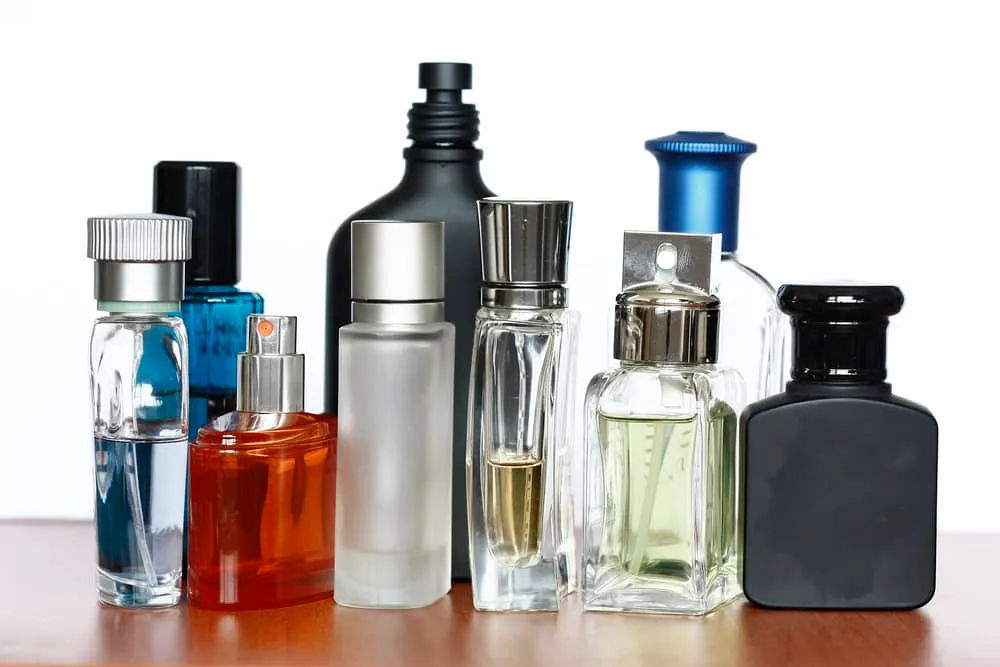
Toilette spray is Eau de Toilette, or EDT: a perfume, usually somewhere around 5–15% fragrance concentrate, in a spray bottle. It’s for your skin, not your bathroom. The name has caused a lot of jokes in English, because “eau de toilette” looks like it means toilet water.
Why Is It Called Eau de Toilette?
Because in French, faire sa toilette means getting washed and dressed, not the bathroom fixture. The word started with toile, cloth: a toilette was the cloth covering a dressing table, then the dressing table, then the whole routine of getting ready at it. Eau de toilette is “water for getting ready”, the light scented water you’d splash on as part of the morning routine.
English took “toilet” down a different path, which is where the confusion comes from.
How Strong Is Eau de Toilette?
It sits in the middle of the scale. The Perfume Shop’s general guide puts it at about 5–15% fragrance concentrate in alcohol, against roughly 15–20% for Eau de Parfum and 20–30% or more for Parfum. Brands don’t all use the same cut-offs, so treat those as conventions.
| Label | Typical concentrate | What it usually means |
|---|---|---|
| Eau de Cologne | 2–5% | A light splash; the original citrus “cologne” style |
| Eau de Toilette | 5–15% | Brighter, with more top notes |
| Eau de Parfum | 15–20% | Richer, with more base |
| Parfum / Extrait | 20–30%+ | Densest, closest to the base notes |
Concentration isn’t the only difference. Brands often reformulate between versions, so an EDP isn’t just an EDT with less alcohol. The Perfume Society notes that the notes can change too. Dior’s Sauvage is a good example: the EDT is sharp and peppery, the EDP is rounder with vanilla, and the Parfum leans on sandalwood. Our perfume strengths guide breaks that down note by note.
Is Eau de Toilette the Same as Perfume?
Yes and no. “Perfume” can mean any fragrance, including an EDT, or it can mean Parfum, the most concentrated version. An EDT is a perfume in the first sense and not in the second.
It isn’t automatically the weaker choice, either. EDTs often have more of the bright top notes that evaporate fastest, so many people prefer them for the opening. If you love how a scent starts, the EDT may suit you better than the EDP. The EDT, EDP and Parfum comparison goes further.
Is Eau de Toilette the Same as Cologne?
Not technically. Eau de Cologne is a lighter category, around 2–5%, named after the citrus waters made in Cologne in the 18th century. In everyday American English, though, “cologne” just means a men’s fragrance, whatever the label says. Most men’s “colognes” are really EDTs. Anyone can wear either; more on the wording in perfume versus cologne.
How Do You Apply Toilette Spray?
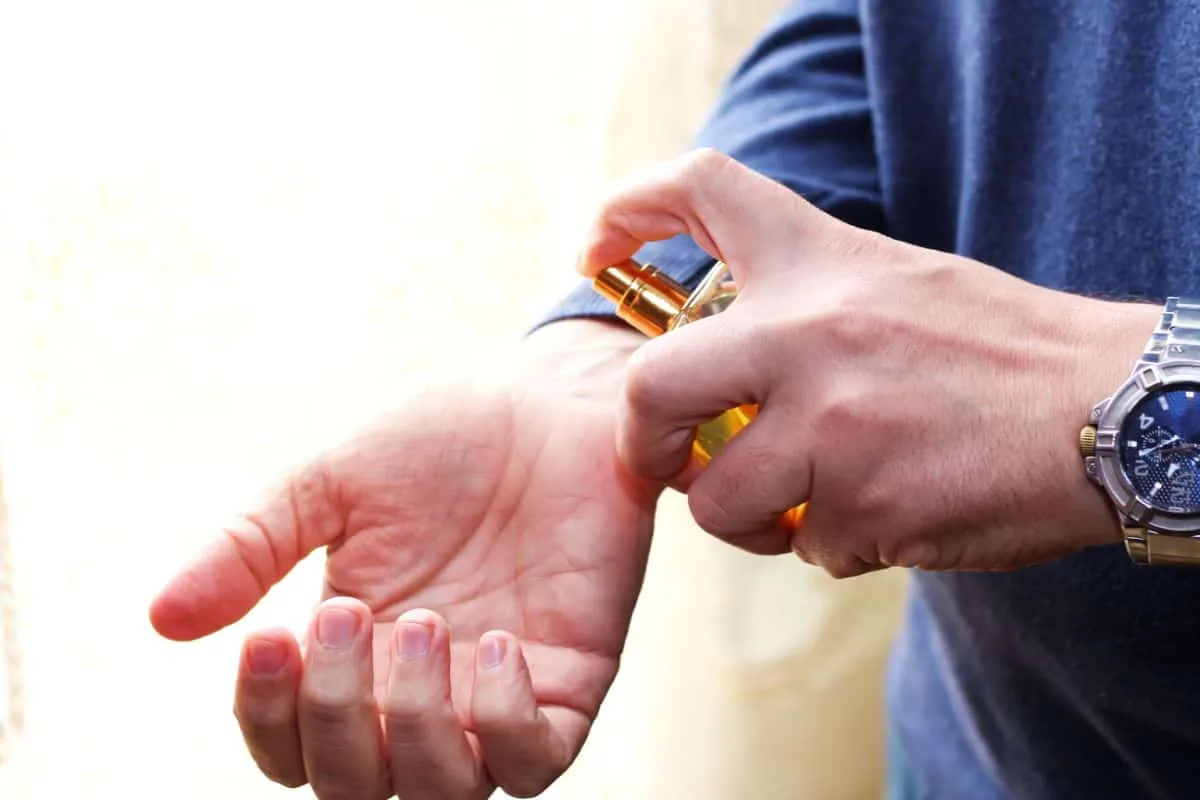
Start with a light application and follow the product’s directions. Spray onto skin, not your face or eyes, and let it settle before deciding you need more: your nose stops noticing a scent within minutes, so the urge to add more usually comes after everyone else can still smell it.
Only apply it to hair or clothing if the product says you can. Fragrance can mark fabric and finishes, and a body fragrance isn’t automatically a hair mist. If a fragrance irritates your skin, stop using it; the FDA lists fragrance materials among potential allergens, whatever the concentration.
How Should You Store It?
Closed, upright, and away from sunlight and heat. Light and warmth break down the bright top notes first, so a cupboard is better than a sunny bathroom shelf or a hot car. The perfume storage guide has more on what changes and why.
Not sure which fragrance is you?
Answer seven questions to explore fragrances for your preferences.
Related Coverage
Guide
EDT vs EDP vs Parfum: Which One Should You Actually Buy?
EDT, EDP and Parfum differ in how much perfume oil they hold, and often in the formula too. What the labels mean, what alcohol does, and how Dior Sauvage changes across all three.
Guide
Perfume Strengths Chart: Parfum, EDP, EDT and Cologne Explained
Parfum, Eau de Parfum, Eau de Toilette, Cologne and Eau Fraîche explained: the concentration ranges, why stronger lasts longer, and why versions smell different.
Guide
Do Guys Wear Perfume or Cologne?
Men can wear perfume or cologne. Understand the difference between everyday wording, fragrance concentration and gender marketing so you can choose by scent.