Fragrance 101
Why Is Perfume So Expensive?
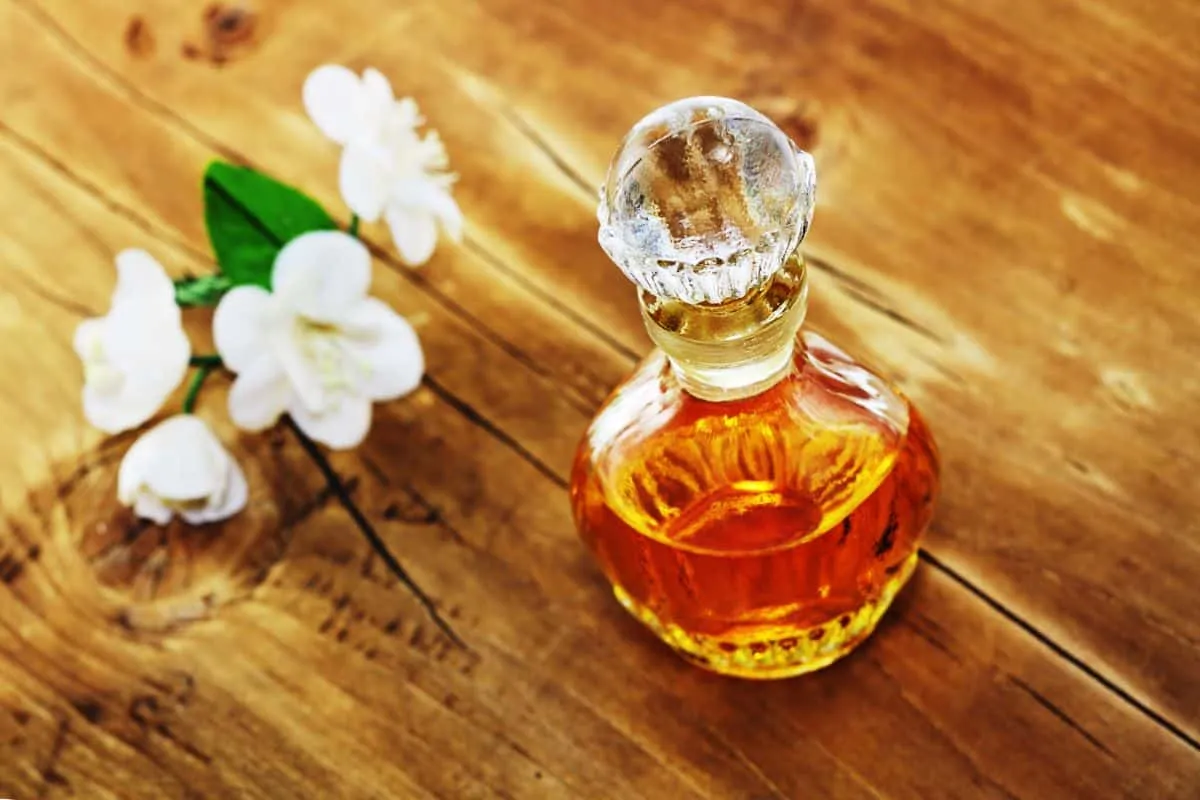
Perfume prices cover more than the scented liquid. Raw materials and formula development contribute to the cost, alongside the bottle, distribution, retailing and marketing. The brand’s positioning also affects the price it asks you to pay.
Some raw materials really are extraordinary. Rose oil takes several tonnes of petals, picked by hand at dawn, to make a single kilo. Orris butter comes from iris roots that are dried and aged for around three years before they’re distilled. Natural ambergris washes up on beaches by chance. A perfume heavy in materials like these costs a lot to make.
But most perfume is mostly alcohol plus synthetics, many of which are inexpensive, and the liquid is rarely the main cost. The bottle, the advertising, the retailer’s share and the brand’s sense of itself make up much of what you pay. That’s why a dupe house can sell something that smells similar at a fraction of the price.
Ingredients and Development
Fragrance materials need sourcing and processing before they reach a perfumer. IFRA’s account of the fragrance value chain describes growers, ingredient manufacturers, perfumers and consumer-product companies as separate parts of that process.
Different materials require different production methods. IFF explains steam distillation, citrus expression and solvent extraction, along with the work of creating a formula from a client brief and refining repeated trials. Those stages involve equipment and skilled work as well as raw materials.
Both natural extracts and aroma chemicals belong in a perfumer’s palette. A natural ingredient is not automatically the better choice, and a note list is not a formula or a cost breakdown. “Rose” on two perfumes does not tell you whether they use the same materials or how much each contains.
The number of notes is equally unhelpful as a price test. A short published list can describe a much more detailed composition. Top, middle and base notes explain scent development; they don’t separate expensive perfumes from inexpensive ones.
The Bottle and the Business Around It
Packaging contributes to the product you buy. Consider the bottle, atomiser and closure, together with the box and any decorative finish. You may value a well-made refillable bottle or a design you enjoy displaying. See whether a refill exists for the exact bottle before making that part of your decision.
There is also a business between the formula and the sale. Distribution, shop staff, advertising and online retail operations all need funding. Brands choose how much emphasis to put on those activities and where to position their products in the market.
A prestige price can be part of that positioning. It does not give you a reliable measure of the ingredient budget or of how much you will enjoy the scent. To assess value, compare the finished perfumes and the formats you would actually buy.
How to Compare Two Purchases
| Check | Why it matters |
|---|---|
| Exact name and concentration | An Eau de Toilette, Eau de Parfum and Elixir can be different compositions |
| Bottle size in millilitres | Divide the selling price by the volume to compare unit prices |
| What the package contains | A gift set, refill and complete spray bottle are different purchases |
| Amount you expect to use | A smaller bottle can be the more useful purchase even with a higher price per millilitre |
| Small sizes | A vial or travel spray lets you try the scent before committing to a bottle |
Compare prices on the same day and include delivery or other charges shown at checkout. For a tester bottle, read the seller’s description of the packaging and condition. For a decant, check the source, version and amount supplied.
Decide What Is Worth Paying For
Start with how the perfume smells to you after the opening has settled. Then consider how often you would choose it over what you already own. Our signature-scent guide has a simple way to keep track.
If the scent is what matters most, smell it next to a cheaper perfume in a similar style; our dupe guide explains how those are made. If you also want a particular bottle or presentation, include that in your decision openly. You can enjoy those features without treating a higher price as proof of a better formula.
Choose the size you are likely to use. The largest bottle’s lower unit price offers little benefit if most of it stays on the shelf.
Not sure which fragrance is you?
Answer seven questions to explore fragrances for your preferences.
Related Coverage
Guide
What Are Top, Middle, and Base Notes in Perfume?
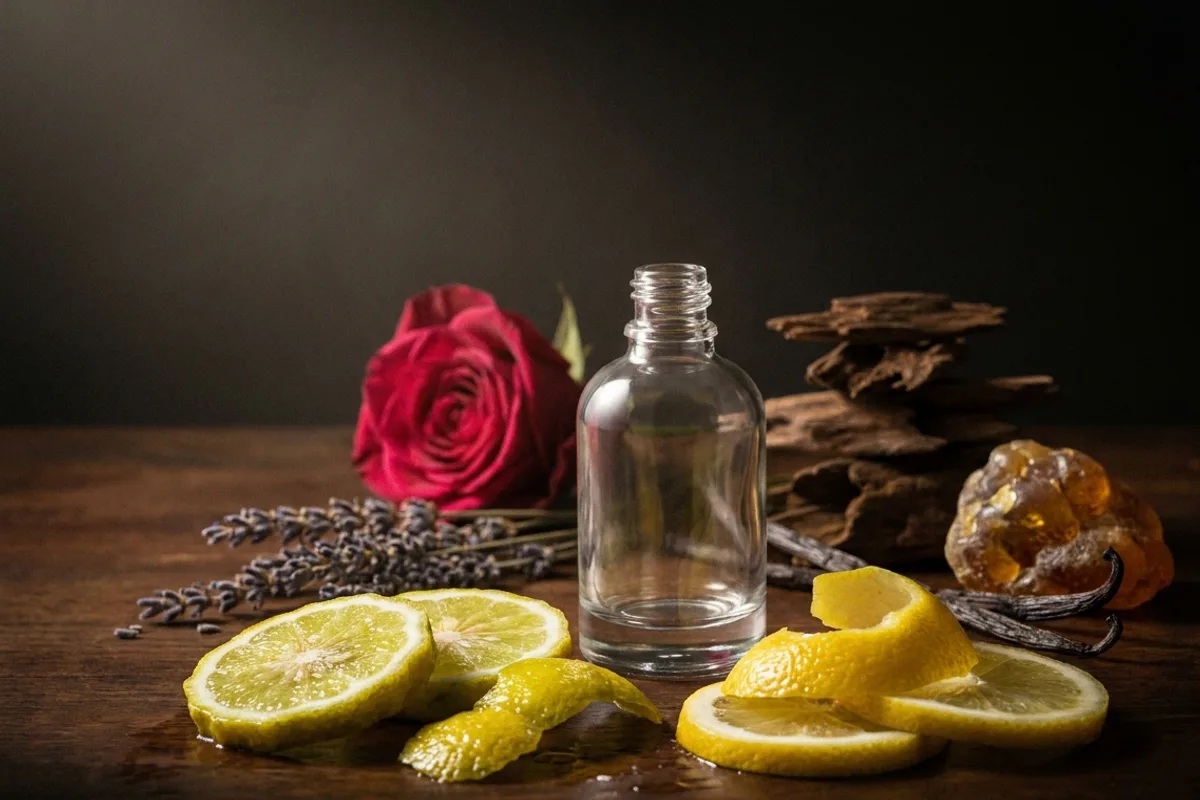
Top, middle and base notes describe a perfume’s opening, heart and lasting character. Learn how to read a note pyramid and compare samples through their development.
Guide
How to Find Your Signature Scent
Find a signature scent by narrowing the notes you enjoy, comparing exact versions and wearing samples in your usual routine. Includes an optional approach to layering.
Guide
The Rise of Dupe Houses: How Cheaper Luxury Got Its Own Category
Dossier launched in 2019 naming Baccarat Rouge 540 on its product page, and a category followed. How dupes are made, the four kinds of dupe house, and where the law draws lines.