Fragrance 101
What Does Cologne Mean?
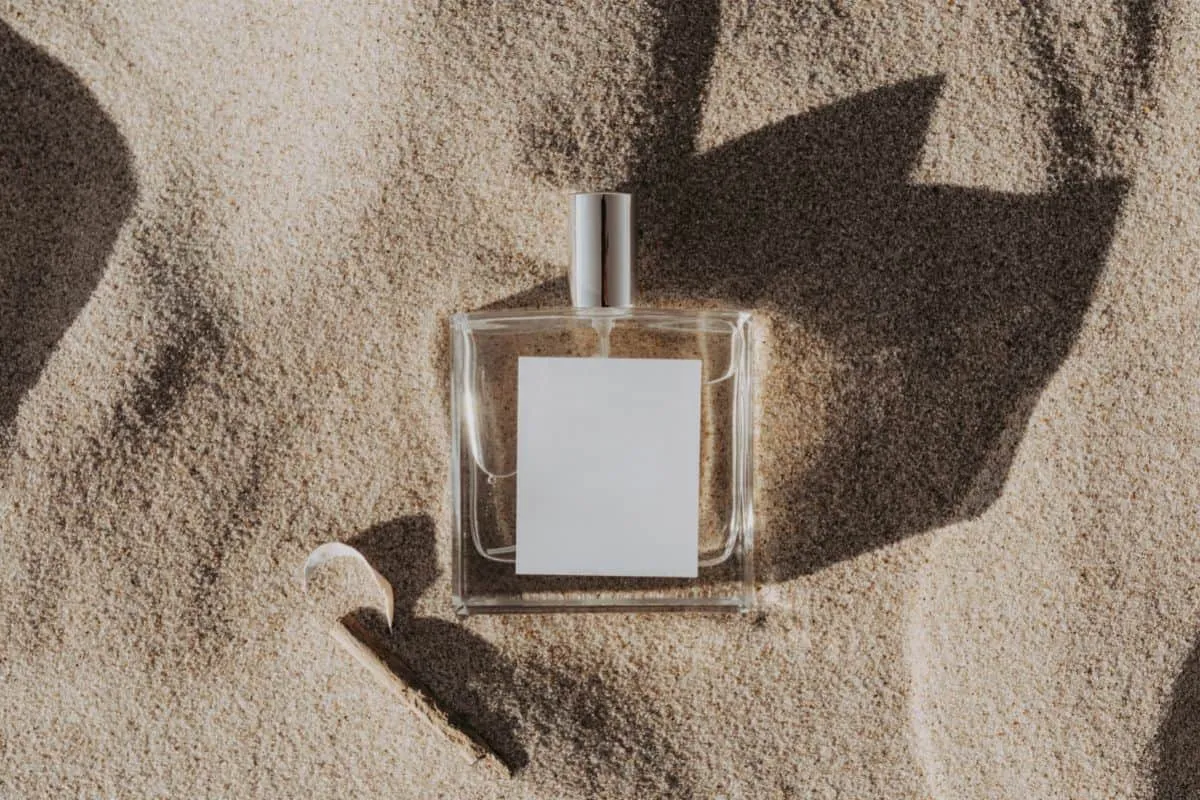
“Cologne” is named after Cologne, Germany, where Italian perfumer Giovanni Maria Farina invented the formula in 1709. Today the word means two different things depending on who’s using it: a specific fragrance concentration (2-5% oil, the lightest common tier), or, in everyday American English, “men’s fragrance” in general.
Where Does The Word “Cologne” Come From?
Farina moved to Cologne at 24 and started blending citrus and herb oils — bergamot, neroli, lemon, rosemary — into a fresh, alcohol-based scent unlike the heavy musk-based perfumes common at the time. He named it after his adopted city and opened a shop, Johann Maria Farina gegenüber dem Jülichs-Platz, that’s still selling the same formula today, three centuries later, from the same address.
The recipe itself has stayed a closely guarded secret the entire time. Nobody outside the Farina family knows the exact ratios.
Why Do Americans Call All Men’s Fragrance “Cologne”?
Because “Eau de Cologne” got popular fast and other perfumers copied the name long before trademark law caught up. By the 1800s, dozens of makers across Europe were selling their own “Eau de Cologne” — some close imitations, some nothing like the original — and the term stopped referring to Farina’s specific formula and started meaning a whole style of light, citrus-forward fragrance.
In the US, that genericization went one step further. Since most Eau de Cologne marketed here through the 20th century was aimed at men, “cologne” became shorthand for men’s fragrance as a category — regardless of what concentration it’s actually sold at. A man’s Eau de Parfum still gets called “cologne” in casual conversation, even though it’s a stronger, longer-lasting formula than a true Eau de Cologne. Whether that split even matters for how you shop is a separate question.
What’s The Actual Difference Between Cologne And Eau De Cologne?
Used precisely, Eau de Cologne is a specific strength tier — 2 to 5% fragrance oil, the second-lightest concentration after Eau Fraiche. It wears for one to two hours and was originally gender-neutral; Farina’s own formula wasn’t marketed as a men’s product. The perfume concentration chart has the full breakdown against Parfum, Eau de Parfum, and Eau de Toilette.
“Cologne” used loosely, the way most people say it, just means a bottle of men’s fragrance, at whatever concentration it actually ships in.
Did People Really Used To Drink Eau De Cologne?
Yes. Medical claims for Eau de Cologne were common in the 1700s and 1800s — inhaling it was supposed to cure headaches, and some manufacturers sold sugar-soaked drops meant to be swallowed. Napoleon reportedly ate sugar cubes soaked in it, called “Farina ducks,” and went through enough Eau de Cologne that he’s said to have used several bottles a week. None of it did anything medically. It smelled nice and the era’s medicine wasn’t picky about evidence.
What’s Actually In A Bottle Of Eau De Cologne?
Farina’s exact recipe is still secret, but the category is built on citrus and herb oils cut heavily with alcohol: bergamot, lemon, neroli, and rosemary show up in most versions, sometimes alongside lavender or petitgrain. The high alcohol-to-oil ratio is what gives real Eau de Cologne its short wear time and sharp, splashy opening — there’s just not much oil left to slow-release once the alcohol evaporates.
4711 has been made the same way since 1799 — same citrus-rosemary formula the whole time — and it’s still a fair baseline for what “cologne” meant before the word got stretched to cover everything.
Not sure which fragrance is you?
Take our 90-second quiz — seven questions, three picks.
Related Coverage
Guide
Perfume Strengths: 5 Levels Explained
Parfum, Eau de Parfum, Eau de Toilette, and Cologne differ in fragrance oil concentration, which directly affects how long a scent lasts and what it costs.
Guide
Do Guys Wear Perfume or Cologne?
The idea that perfume is for women and cologne is for men is a modern American invention — here is the actual difference between the two terms.
Guide
EDT vs EDP vs Parfum: Which One Should You Actually Buy?
Eau de Toilette, Eau de Parfum, and Parfum differ in oil concentration, not quality. Here's how to pick the right one for your budget and skin.