Fragrance 101
What Is Verbena Scent? (The Underrated Essential Oil!)
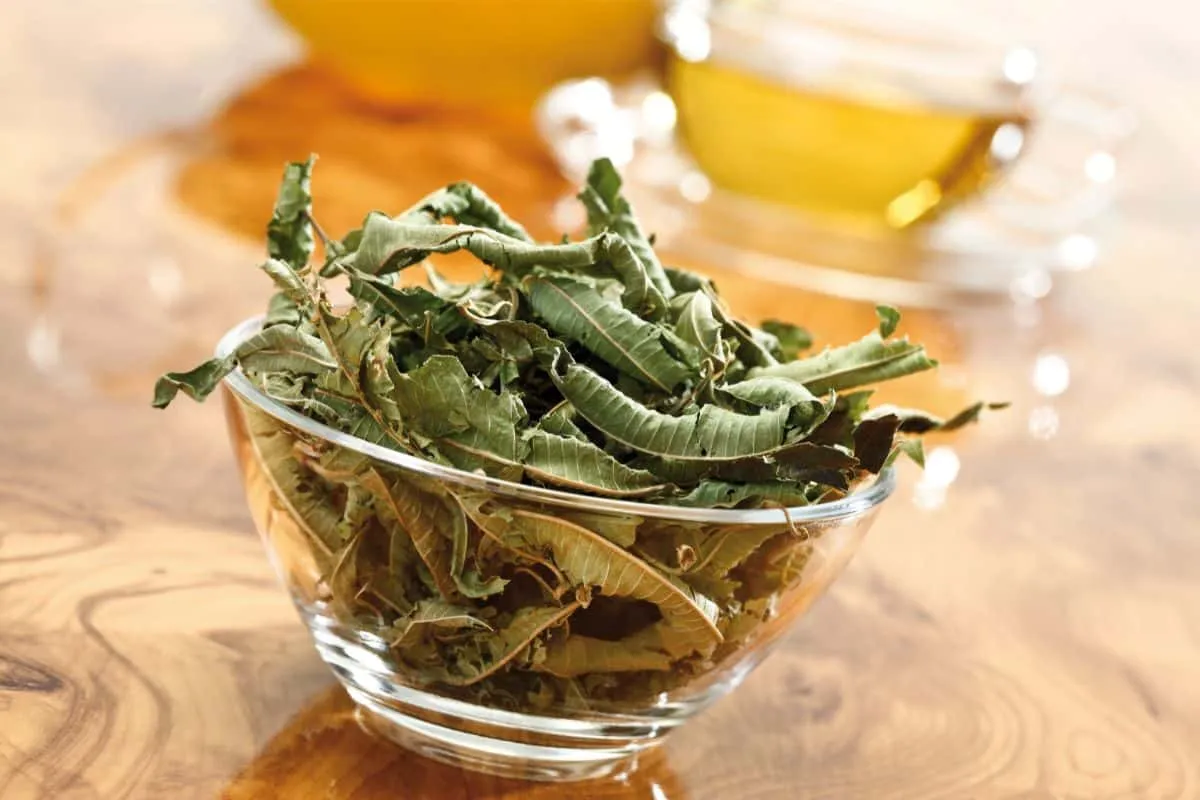
L'Occitane Refreshing & Cooling Mint Verbena
What Is Verbena?
Verbena (Aloysia citrodora) is a flowering shrub native to South America, now cultivated across southern Europe, North Africa, and other warm climates. The plant grows tall and leggy with narrow, pointed leaves that release a strong citrus scent when crushed.
One common source of confusion: verbena and vervain are not the same plant. Vervain (Verbena officinalis) is a European herb used in traditional medicine and has almost no scent. They belong to related genera, which is where the naming overlap comes from, but they smell nothing alike.
What Does Verbena Smell Like?
Bright, sharp lemon — but cleaner and lighter than actual lemon. Where lemon essential oil has a thick, oily sweetness to it, verbena reads almost effervescent. The first impression is pure citrus zest, followed by a greener, slightly herbal quality and a subtle citronella undertone that keeps it from smelling like a kitchen ingredient.
It’s an immediately recognizable scent. If you’ve ever walked past a lemon verbena plant in a garden and brushed the leaves, you already know it.
Verbena vs. Lemon Verbena
Same plant, different names. “Lemon verbena” is the common English name for Aloysia citrodora. Some retailers and perfumers drop the “lemon” and just call it verbena. Others keep it to distinguish from vervain. Either way, they’re referring to the same citrus-scented shrub.
What Pairs Well With Verbena?
Verbena’s brightness makes it a natural partner for a wide range of ingredients:
- Florals: Rose and lavender are the classic pairings. Verbena sharpens their sweetness without overpowering it.
- Woods: Sandalwood and patchouli give verbena a warmer, longer-lasting base. Patchouli in particular adds an earthy counterweight that makes verbena feel less fleeting.
- Other citruses: Bergamot is the obvious choice — both are citrus-forward but hit differently. Bergamot is rounder and more aromatic; verbena is thinner and zestier. Together they create a full citrus picture.
- Spices: Cardamom and black pepper add warmth and complexity. A verbena-cardamom combination reads sophisticated rather than fresh-and-simple.
Verbena in Perfumery
Verbena shows up most often in fresh, citrus-forward compositions — colognes, summer fragrances, and light everyday scents. It’s rarely the star of complex or heavy perfumes because it doesn’t have the depth for it. That’s not a weakness; it’s the point.
The most well-known verbena fragrance is L’Occitane’s Verbena line, which leans into the ingredient’s natural character without trying to make it something it isn’t. It’s a good reference point if you want to understand what verbena brings to a composition.
If the EDT is a stronger commitment than you want, the same scent profile in body-lotion form is the cheap way to find out whether verbena agrees with you. Layers cleanly under any citrus fragrance you already wear.
For a more grown-up alternative, Fragonard Verveine is the French parfumerie route — verbena built on a sheer floral-musk base instead of L’Occitane’s brighter citrus framing. Same recognizable lemon-zest brightness up top, but the dry-down lasts longer and feels more composed.
One reason you don’t see verbena everywhere: the oil is expensive to produce. The leaves need to be harvested during a narrow spring window when citral concentration peaks. Harvest too early or too late and the oil loses its defining brightness. That cost pressure means many budget fragrances substitute litsea cubeba or lemongrass, which approximate verbena’s citrus character but lack the green, herbal complexity underneath.
Ready to Buy?
Here are our top recommendations from this article.
Not sure which fragrance is you?
Take our 90-second quiz — seven questions, three picks.
Related Coverage
Guide
Patchouli Oil: What Does It Smell Like?
Patchouli oil has an earthy, woody, musky scent with sweet and spicy undertones — here is where it comes from, how it smells, and what it is used for.
Guide
EDT vs EDP vs Parfum: Which One Should You Actually Buy?
Eau de Toilette, Eau de Parfum, and Parfum differ in oil concentration, not quality. Here's how to pick the right one for your budget and skin.
Guide
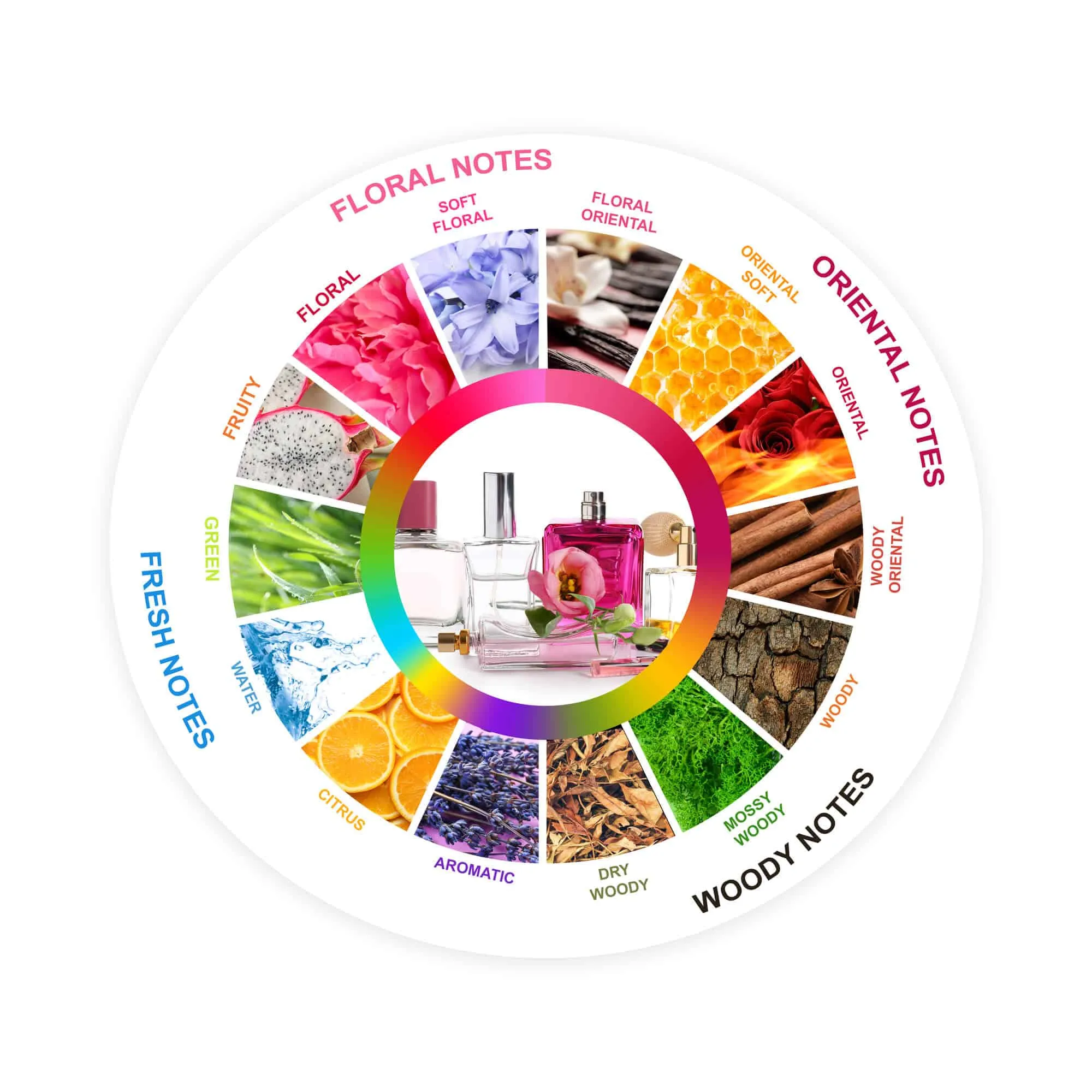
The Fragrance Wheel: 4 Main Perfume Families Explained
The four main fragrance families — Oriental, Woody, Floral, and Fresh — explained with examples, plus gourmand, chypre, and other ways to classify scents.