Best Of
Which Is The Best Chanel Perfume? Our Top Picks
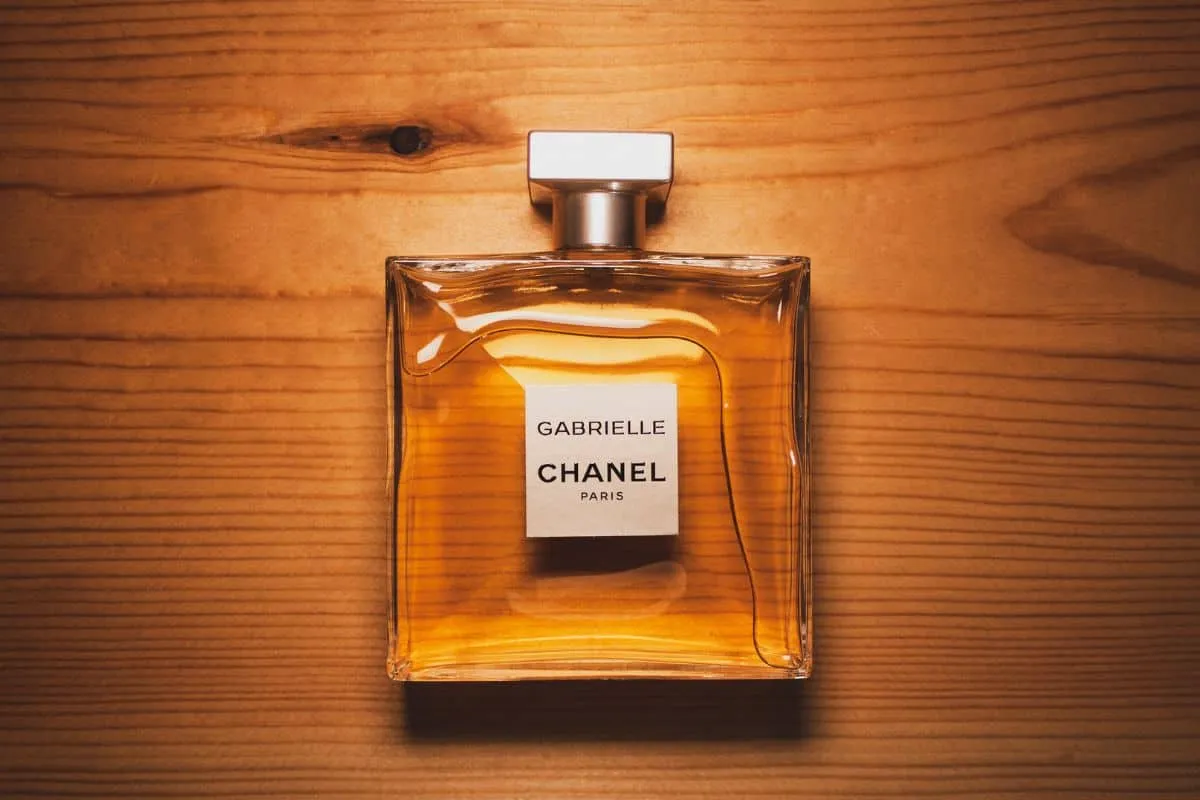
Chanel’s fragrances fall into a few families, and once you know which one you’re drawn to, the choice gets much easier. There’s the Coco line, rich and resinous; the Chance line, fruity and light; N°5 on its own; and Bleu de Chanel for men. Coco Mademoiselle is our first pick because it sits in the middle of all of them.
| Fragrance | What it smells like | Pick it if |
|---|---|---|
| Coco Mademoiselle EDP | Orange, rose and jasmine over patchouli and vetiver | You want one Chanel that does a bit of everything |
| Coco EDP | Mandarin, jasmine and orange blossom over benzoin and tonka | You like warm, resinous florals |
| N°5 EDP | Aldehydes, May rose, jasmine, vanilla | You want the classic, soap and sparkle included |
| Coco Noir EDP | Bergamot, rose, patchouli, tonka | You want the darkest Chanel |
| Chance Eau Tendre EDT | Grapefruit, quince, jasmine, white musk | You want soft fruit and musk |
| Chance Eau Fraîche EDT | Citron, jasmine, teak wood | You want the freshest Chanel |
| Bleu de Chanel EDP | Cedar, sandalwood, amber, musk | You’re buying for a man, or want woods |
Our Top Pick: Coco Mademoiselle
Coco Mademoiselle arrived in 2001 as a younger, brighter Coco. Chanel describes the EDP through orange, jasmine and rose over patchouli and vetiver, and that pairing is the reason it has lasted: the orange and flowers are sunny, and the patchouli and vetiver give them a dark, earthy floor to stand on.
It’s the Chanel we’d suggest to almost anyone, because it covers both moods. Coco Mademoiselle Intense and the Eau de Toilette are separate versions; the EDT is fruitier, with grapefruit and lychee.
Editor’s Choice: Coco Eau de Parfum
Coco, from 1984, is the original that Mademoiselle lightened. Chanel’s description runs from Sicilian mandarin through jasmine, ylang-ylang and orange blossom to patchouli, benzoin and tonka. Benzoin is a vanilla-scented resin, and with tonka it makes Coco warm and enveloping in a way the other Chanels here aren’t.
A reviewer on Chanel’s own site says they wear it in “fall/winter when it’s cooler,” which suits it. Coco and Coco Mademoiselle are different perfumes, not a stronger and lighter version of one scent.
Chanel N°5 Eau de Parfum
Ernest Beaux created N°5 in 1921, and it’s still the most famous perfume Chanel makes. The Eau de Parfum is Jacques Polge’s 1986 version: aldehydes and citrus over May rose and jasmine, with bourbon vanilla underneath.
Aldehydes are the whole story. They smell fizzy, waxy and clean, a bit like a just-snuffed candle or fresh laundry, and in 1921 few perfumes had used them this boldly. If you’ve thought of N°5 as an old-lady perfume, smell it again with that in mind: it’s soap and sparkle as much as powder.
Coco Noir Eau de Parfum
Coco Noir, from 2012, takes the Coco idea further into the dark. Bergamot opens onto May rose and geranium leaf, then tonka and patchouli. With only bergamot for brightness and tonka and patchouli underneath, this is the Chanel for evenings and for people who find the others too polite.
Chance Eau Tendre Eau de Toilette
The Chance line is Chanel at its lightest, and Eau Tendre is the softest of them. Chanel centers it on a grapefruit-quince accord, jasmine and white musk. Quince is the unusual part: it’s fragrant and pear-like, a little floral, and it keeps the grapefruit from turning sharp.
It’s the one for spring and for anyone who finds Coco too heavy.
Chance Eau Fraîche Eau de Toilette
Eau Fraîche is the Chance with an edge: citron, jasmine and teak wood. Citron is a sharper, greener citrus than grapefruit, and teak gives it a dry, woody finish, so where Eau Tendre is soft, this is crisp. It’s the freshest Chanel on the list, and the one for summer heat.
Bleu de Chanel Eau de Parfum
Chanel’s best-known men’s fragrance, and the one to buy if the Chanel is a gift for him. The EDP is built on cedar, sandalwood, amber and musk: clean, warm and calm. Our compliments list has more on it. The EDT, Parfum and L’Exclusif are separate versions.
Our concentration guide explains why the EDT and EDP versions of the same name smell different. If N°5’s aldehydes surprise you, best-selling and classic perfumes has more of the perfumes that shaped the twentieth century.
Not sure which fragrance is you?
Answer seven questions to explore fragrances for your preferences.
Related Coverage
List
Top 10 Best Selling and Classic Perfumes in the World
Sauvage, Libre and La Vie Est Belle top the 2025 sales reports. Seven classics that have lasted for decades, from Chanel N°5 to Santal 33, fill out the ten.
List
Top 10 Most Complimented and Crowd-Pleasing Men’s Fragrances
Bleu de Chanel, Eros and Le Male Le Parfum have wearer reports of compliments; Sauvage, Aventus, Tobacco Vanille and five more are built to please.
Compare
Armaf Club de Nuit Blue Iconic vs Chanel Bleu de Chanel Eau de Parfum
Armaf's Blue Iconic is grapefruit, mint, ginger and incense over cedar and sandalwood. Bleu de Chanel EDP is cedar and sandalwood with amber and musk.