Best Of
Top 10 Best Selling and Classic Perfumes in the World
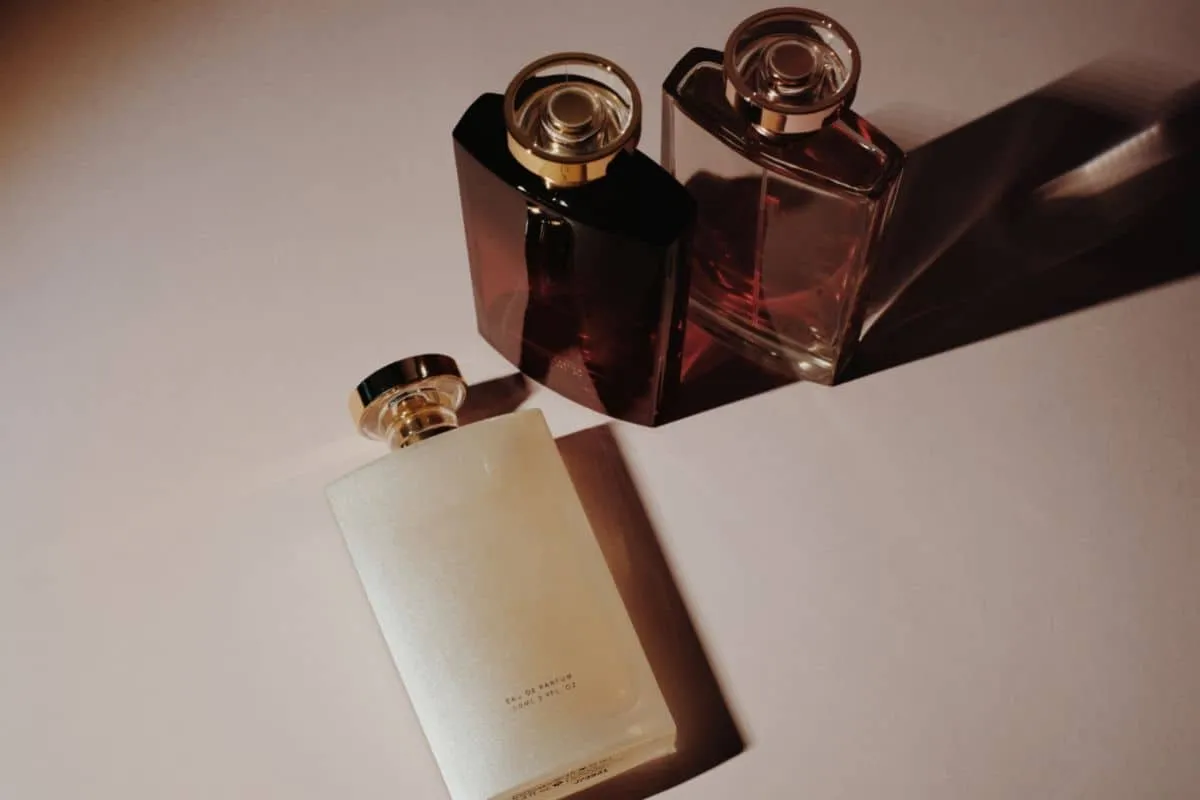
Dior Sauvage is the world’s best-selling men’s fragrance and YSL Libre the best-selling women’s, according to their parent companies’ 2025 reports. Lancôme La Vie Est Belle sits among L’Oréal’s global top 15. Put the three side by side and something odd turns up: two of them lean on lavender, the old barbershop note. After them come seven classics that have outlasted almost everything launched alongside them.
What Do the Sales Reports Say?
| Fragrance family | Reported sales position | Source and period |
|---|---|---|
| Dior Sauvage | World’s bestselling men’s fragrance | LVMH full-year 2025 results |
| Yves Saint Laurent Libre | Number-one feminine fragrance worldwide | L’Oréal Luxe 2025 annual report |
| Lancôme La Vie Est Belle | Among the global top-15 fragrance names highlighted by the group | L’Oréal Luxe 2025 annual report |
These are sales figures for whole fragrance families, which include several concentrations and flankers. Below, each family is represented by its Eau de Parfum.
Dior Sauvage Eau de Parfum
Sauvage started as an Eau de Toilette in 2015; the Eau de Parfum followed in 2018. Dior’s EDP puts Calabrian bergamot over Sichuan pepper, lavender and star anise, with vanilla and ambroxan in the base.
Ambroxan is the key to Sauvage’s whole family. It’s a dry, slightly salty, woody molecule first developed as a stand-in for ambergris, and it’s why Sauvage smells clean and mineral even with vanilla underneath. The EDP softens the EDT with that vanilla and anise, which makes it the better pick if the original strikes you as sharp.
The EDT, EDP, Parfum and Elixir are different fragrances, so a review of one tells you little about the others.
Yves Saint Laurent Libre Eau de Parfum
Libre, launched in 2019, takes lavender, usually a men’s-cologne note, and puts it at the center of a women’s perfume. YSL pairs French lavender with Moroccan orange blossom, then musk and vanilla. Orange blossom gives it a honeyed, slightly indolic floral side, and vanilla warms the lavender until it stops smelling like a shave.
That combination wins over people who think they don’t like lavender. A wearer who normally avoids it bought a full bottle after finishing a sample, won over by the vanilla and orange blossom in the drydown.
Libre Intense, Le Parfum and L’Eau Nue are separate versions with their own character.
Lancôme La Vie Est Belle Eau de Parfum
La Vie Est Belle launched in 2012, with Julia Roberts as its face, and it’s the sweetest of the three by a long way. Lancôme’s EDP pairs an iris accord with patchouli, vanilla and spun sugar.
Patchouli is what stops it being pure candy floss. Its earthy, dark edge sits under the sugar the way coffee sits under a dessert, and it’s a big part of why the scent has lasted. Still, if sweetness isn’t your thing, nothing here changes that: one long-term wearer loves it enough to have replaced several bottles, while another finds it pretty but cloying.
Seven Classics That Have Lasted
No company publishes figures that would rank these against each other, so they’re here for staying power instead: every one has been in production for more than a decade, and some for a century.
Chanel N°5
Ernest Beaux made N°5 for Chanel in 1921, and its signature is a material most perfumes of the time used sparingly: aldehydes. They give the jasmine and May rose a fizzy, soapy, clean-linen sparkle that still smells like nothing else. The Eau de Parfum is Jacques Polge’s 1986 version, with citrus up top and bourbon vanilla underneath. It’s also the perfume behind Marilyn Monroe’s famous answer about what she wore to bed.
Guerlain Shalimar
Jacques Guerlain’s Shalimar (1925) set the template for the vanilla-and-amber perfumes that followed. Bergamot sits right on top of vanilla, benzoin, Peru balsam and leather, and that clash of bright citrus against dark, sweet resin is the whole idea. The Eau de Cologne is the lightest way into it.
Clinique Aromatics Elixir
A skincare brand made one of the most uncompromising perfumes on this list. Aromatics Elixir, from 1971, puts Bulgarian rose, orange blossom, jasmine and ylang-ylang over patchouli and oakmoss. That moss-and-patchouli base makes it a chypre: herbal, earthy and nothing like the sweet florals around it here. It’s the one perfume in this ten we’d only buy after trying.
Dior J’adore
J’adore arrived in 1999 in its amphora bottle with the gold neck, and it’s a bouquet more than a single flower: ylang-ylang, Damascus rose and two kinds of jasmine, grandiflorum and sambac. Sambac is the greener, more tea-like jasmine; grandiflorum is the fuller, fruitier one. Together they make J’adore bright and polished, the dressed-up floral of this ten.
Chanel Coco Mademoiselle
If N°5 is Chanel’s past, Coco Mademoiselle (2001) is the house in a lighter mood. The Eau de Toilette pairs Sicilian grapefruit with May rose, jasmine and lychee, so it’s fresher and fruitier than its older sister. It’s the one to try if N°5’s aldehydes are too formal for you.
YSL Black Opium
Black Opium, from 2014, is the youngest classic here, and it helped make coffee a mainstream note in women’s perfume. YSL builds the Eau de Parfum from a coffee accord, white flowers and vanilla. Next to La Vie Est Belle it’s darker and more bitter; our coffee list covers where it sits among other coffee scents.
Le Labo Santal 33
Santal 33 came out in 2011 and is the only unisex niche fragrance in this ten. Sandalwood and cedar make up its body, with cardamom, iris, violet, leather and musk around them. The iris and violet are what stop it being just a wood scent; they give it a soft, slightly powdery edge, and the leather keeps it dry.
If one of these points you somewhere, follow the note: lavender perfumes for the Libre side, woody colognes for Sauvage, and sweet perfumes for La Vie Est Belle. Our EDT, EDP and Parfum guide explains why the versions within each family differ.
Table of Contents
Not sure which fragrance is you?
Answer seven questions to explore fragrances for your preferences.
Related Coverage
List
8 Fabulous Perfumes That Smell Like Lavender
Eight lavender perfumes, from YSL Libre and Mon Guerlain to Le Labo Lavande 31, Jean Paul Gaultier Le Male and Armani Code, and the difference between lavender and lavandin.
List
Best Perfumes That Smell Like Coffee
Coffee perfumes picked by what sits beside the coffee: A*Men's patchouli, Intoxicated's cardamom, Black Phantom's rum, Black Opium's vanilla and more.
List
11 Sweet Perfumes You Need To Try
Eleven sweet perfumes, from Mugler Angel and La Vie Est Belle to Kayali Vanilla 28, Black Opium and Ariana Grande Cloud, and why a smell can seem sweet when the nose can't taste sugar.