Fragrance 101
Why Does Perfume Smell Different on Everyone?
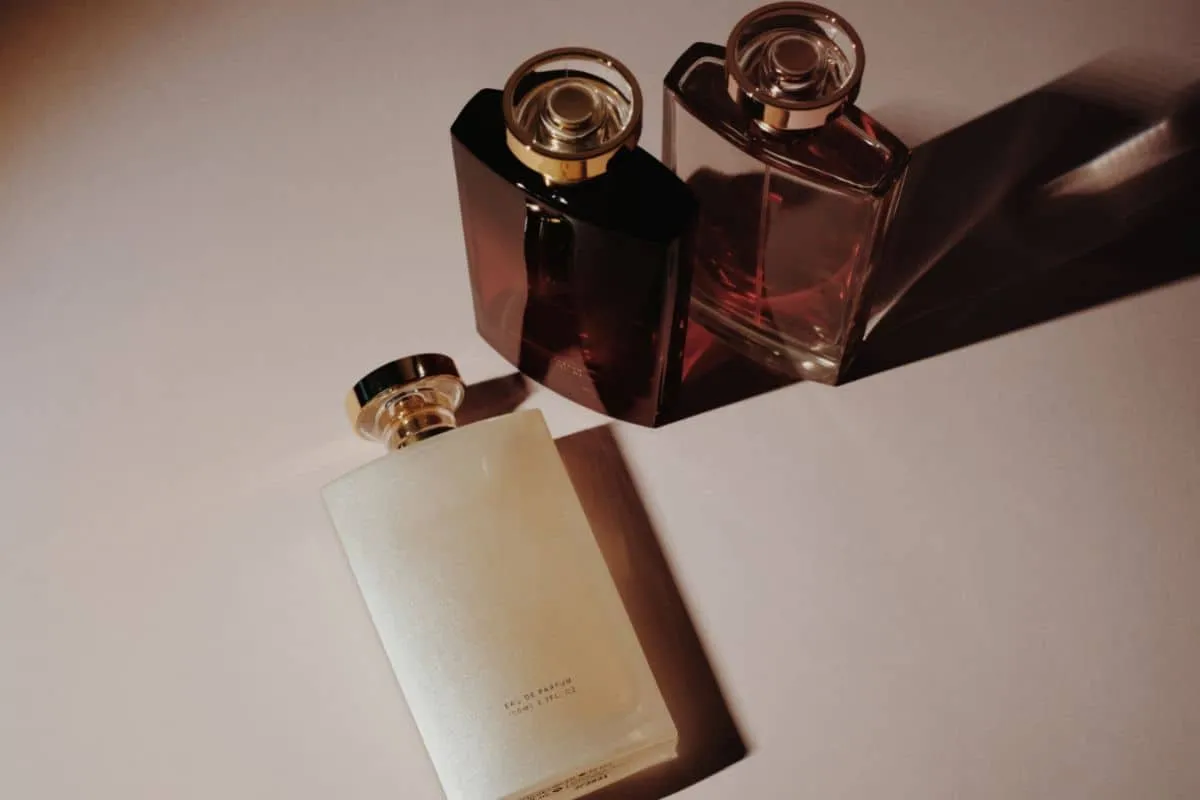
The same perfume smells different on different people because skin chemistry (your skin’s pH, oil production, and temperature) physically changes how fragrance molecules evaporate and interact once they’re on you. That’s an actual chemical reaction happening on your arm, not a bad bottle or a bad memory of how it smelled on someone else.
Oily Skin vs Dry Skin
Oilier skin holds onto fragrance molecules longer, because the natural oils act like an extra binding layer that slows evaporation. That’s why the same spray of a fragrance can last six hours on one person and fade to nothing in two on someone else. It’s frequently a skin-oil difference, not a fake bottle or a bad batch.
Dry skin has the opposite problem: fragrance molecules evaporate faster with less oil to hold onto, and base notes in particular can read thinner because there’s less time for them to fully develop before they’re gone. If a perfume disappears fast on you, moisturizing unscented skin before applying is the actual fix. Spraying more isn’t.
Skin pH Changes How Notes Develop
Human skin pH sits around 4.5 to 5.5 for most people, but it varies enough person to person to matter. A more acidic skin surface tends to bring out sharper, brighter facets of a fragrance faster, while slightly less acidic skin lets heavier notes like musk and amber sit closer to the surface longer. Perfumers know this and can’t fully control for it: a fragrance is designed and tested on a handful of real skins, then released to millions of different chemical environments.
Body Heat Changes Projection
Warmer skin evaporates fragrance molecules faster, which sounds like a downside but is actually why “spray on your pulse points” is real advice and not a marketing line. Wrists, neck, and the inside of elbows run warmer than most of the body, and that heat pushes more molecules into the air around you — more projection, more sillage. Someone who runs cold naturally will get less lift from the exact same spray pattern.
This is also why a fragrance can smell completely different in summer versus winter on the same person. Heat and humidity both accelerate evaporation, which is part of why lighter Eau de Toilette and Eau Fraiche concentrations tend to suit warm weather better than heavier Parfum.
Does Diet or Medication Change How Perfume Smells?
Some perfumers and longtime enthusiasts argue that diet subtly shifts how skin oils smell underneath a fragrance. Heavy garlic, certain spices, and high alcohol intake are the usual suspects mentioned on forums like r/fragrance and Basenotes. This one is harder to pin down scientifically than skin oil or pH, and it’s more anecdote than settled research. Certain medications have a firmer basis: anything that changes sweat composition or skin oil production can plausibly change how a fragrance wears, though the effect size varies enormously by person and drug.
Why This Matters When You’re Buying
A blotter card at a counter tells you almost nothing about how a fragrance will actually wear on your specific skin — it can’t replicate oil content, pH, or body heat, so it’s only ever going to show you the top notes fairly and guess at everything after that. The only real test is skin, worn for a full day, ideally more than once.
If you’ve bought a fragrance that smelled incredible on a friend and disappointing on you, this is almost always why. Finding a signature scent means finding what your specific skin does well, not chasing what worked for someone else’s.
Not sure which fragrance is you?
Take our 90-second quiz — seven questions, three picks.
Related Coverage
Guide
Perfume Strengths: 5 Levels Explained
Parfum, Eau de Parfum, Eau de Toilette, and Cologne differ in fragrance oil concentration, which directly affects how long a scent lasts and what it costs.
Guide
What Are Top, Middle, and Base Notes in Perfume?
Perfume notes are grouped by how fast their molecules evaporate. Top notes vanish first, base notes are what's left hours later. Here's how to read the pyramid.
Guide
How to Find Your Signature Scent
A three-step method for finding a signature scent — narrowing preferences, matching strength to personality, and testing on skin — plus a guide to layering.