Culture & History
The Best and Worst Smells in the World
Science has identified some remarkably pleasant and profoundly terrible smells. Here are the ones that top both lists.
How Does Scent Work?
Tiny hairs called cilia cover the neurons at the top of your nasal passage. When odor molecules bind to these cilia, they trigger a neural response that your brain interprets as a specific smell. The olfactory bulb, where this processing happens, is closely linked to memory and emotion, which is why certain scents can instantly transport you to a different time and place.
The Best Smells
Freshly Cut Grass
When grass is cut, it releases a compound called cis-3-hexenal, which is also found in grapes, strawberries, and bananas. That pleasant green scent is actually a distress signal from the plant, but we associate it with warm weather and time outdoors.
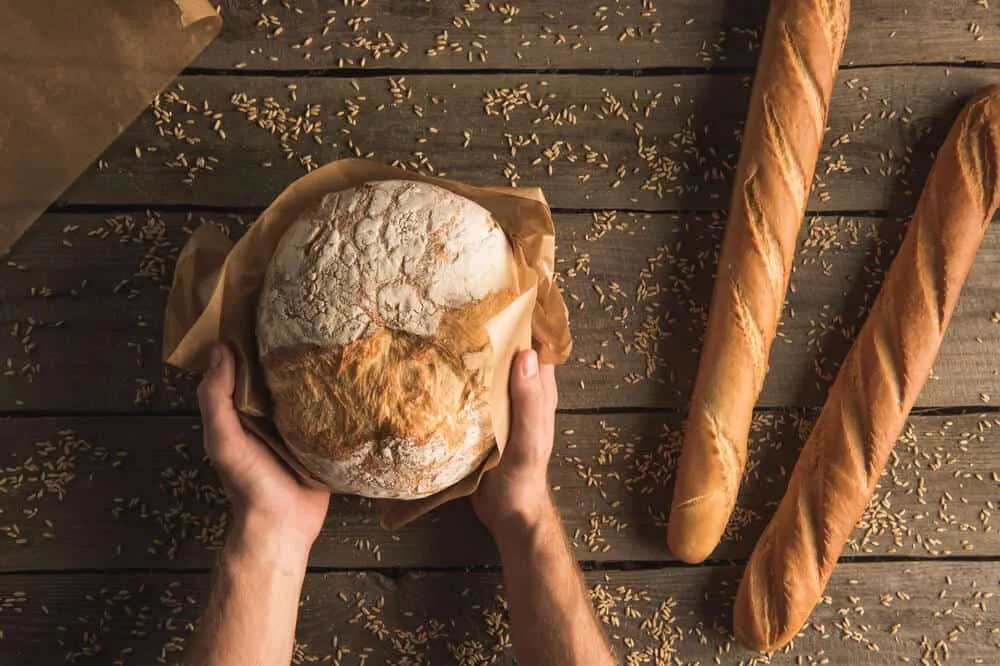
Fresh Baked Bread
The smell of baking bread consistently tops “favorite smell” surveys. Studies show it triggers a strong nostalgic and emotional response in the brain. Real estate agents have long known this — some sellers bake bread before showings to make a home feel more inviting.
Coffee
Coffee contains thousands of aromatic compounds, and research has shown that the smell alone provides a cognitive boost before you even take a sip. It is one of the most universally enjoyed scents in the world.
Petrichor (The Smell of Rain)
Petrichor is the distinctive scent produced when rain hits dry ground. During dry periods, plants release oils into the soil. When rain arrives, bacteria called actinomycetes break down and mix with these oils, producing that earthy, clean smell people find so appealing.
The Sea
The characteristic smell of sea air comes from a compound called dimethyl sulfide. In isolation, it smells like boiled cabbage and sulfur — not exactly pleasant. But our strong associations with beaches and holidays override the chemistry, making it one of the most beloved scents around.
The Worst Smells
Hydrogen Sulfide
If you have ever smelled rotten eggs near hot springs, swamps, or geysers, you have encountered hydrogen sulfide. Beyond being deeply unpleasant, the compound is extremely flammable and toxic at high concentrations.
Rotten Flesh
Decomposing flesh ranks among the worst smells humans can encounter. The gut bacteria in mammals — particularly pigs, turtles, and humans — produce an intense stench as they continue breaking down tissue after death.
Thioacetone
Thioacetone is considered the worst-smelling compound known to science. This organosulfur chemical can induce vomiting, nausea, and unconsciousness within a half-mile radius (source). It is classified as a dangerous chemical for both its smell and its physiological effects.
Durian Fruit
Durian divides people sharply. Some describe this Southeast Asian fruit as having a sweet musk with nutty, creamy richness. Others say it smells like sweaty socks, rotten onions, and turpentine. Known as the king of fruits, it is banned from many hotels and public transit systems across Asia because of its overpowering odor.
Corpse Flower
The corpse flower of western Sumatra can grow up to three meters tall and emits a smell nearly identical to rotting flesh — earning it the nickname “carrion flower.” The stench attracts pollinating beetles and flies that normally feed on dead animals.
Raw Sewage
Raw sewage is universally recognized as one of the foulest smells on earth. The bacteria breaking down waste also contribute to “fatbergs” — massive congealed lumps of grease and waste that form in sewers and produce a smell that is difficult to overstate.
Not sure which fragrance is you?
Take our 90-second quiz — seven questions, three picks.
Related Coverage
Guide
What is Musk in Perfume: The Scent of Desire
Musk is one of perfumery's oldest ingredients — a guide to its origins, shift from animal to synthetic sources, and role in modern fragrances.
Guide
Alexandria Fragrances: The Niche-Quality Dupe House
How Alexandria Fragrances became the cult-favorite house for niche-luxury fragrance interpretations, and which of their fragrances are worth the upgrade.
Guide
ALT. Fragrances: The DTC Dupe House With an Editorial Eye
What makes ALT. Fragrances different from Dossier, the catalog they've built, and where they fit.