Guides
How To Make Perfumes From Flowers?
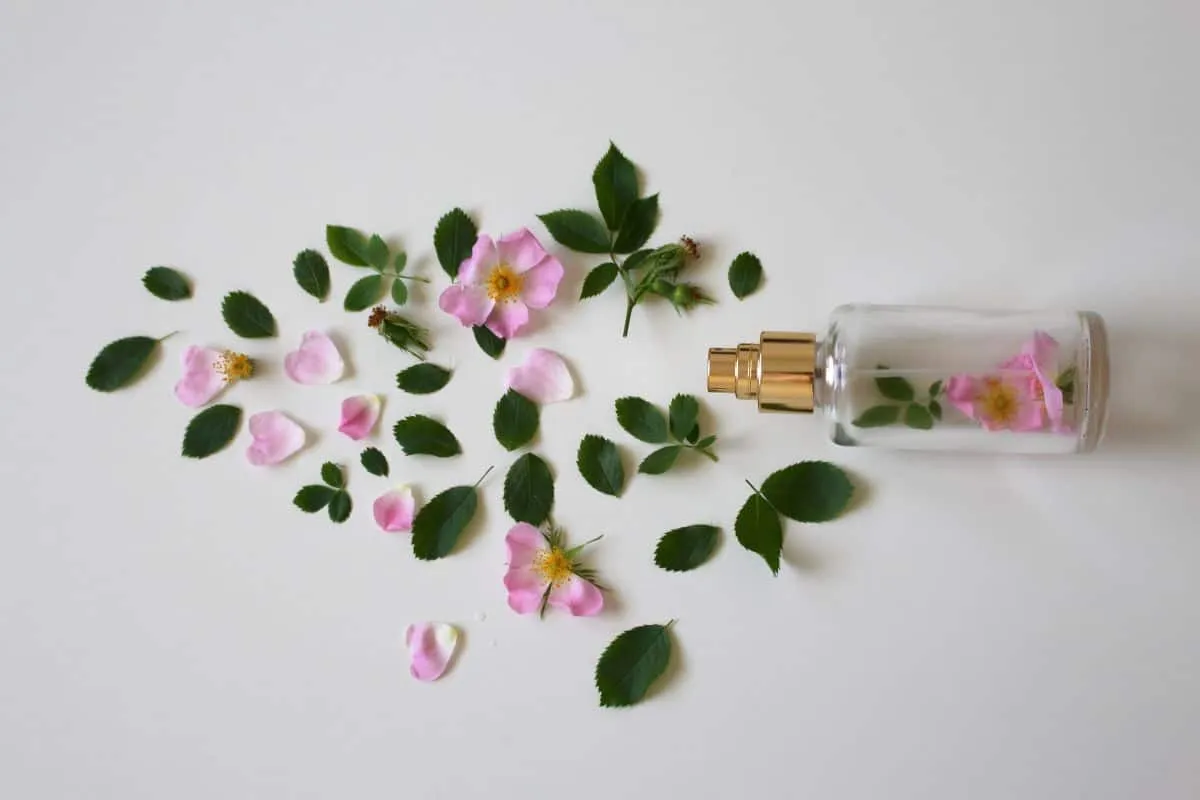
You can capture some of a flower’s scent at home, but the flower matters more than the method. Rose petals will scent water. Lilacs, lily of the valley and gardenias won’t give you much of anything, and even professional perfumers can’t extract them. For a perfume you can wear, you’ll need a proper formula.
Why Do Some Flowers Work and Others Don’t?
It comes down to chemistry. Rose’s main scent molecule, phenylethyl alcohol, dissolves reasonably well in water, which is why rose water exists and smells like roses. Most other flower molecules are oily and barely dissolve in water at all. Jasmine’s sweet, fruity benzyl acetate and its animalic indole mostly stay put, so jasmine petals in water give you a faint, green, disappointing result.
Then there are the “mute” flowers: lilac, lily of the valley, gardenia, honeysuckle, freesia. They smell wonderful on the plant, but no extraction method yields a usable oil from them, so every perfume that smells of them is a reconstruction. Lily of the valley perfumes are built around synthetic molecules like hydroxycitronellal, and lilac perfumes lean on terpineol and heliotropin. If you love one of these flowers, buy a perfume made to smell like it: our lily of the valley, lilac and gardenia lists cover those.
The flowers most worth trying at home are the ones the perfume industry also extracts: rose first, then orange blossom and lavender.
How Do Perfumers Get Scent Out of Flowers?
Four ways, depending on the flower:
| Method | How it works | Used for |
|---|---|---|
| Steam distillation | Steam carries the scent molecules out of the petals; they separate from the water as oil | Rose otto, lavender, neroli |
| Solvent extraction | A solvent pulls out scent and wax to make a concrete; alcohol then separates the absolute | Jasmine, tuberose, rose absolute |
| Enfleurage | Flowers laid on purified fat, replaced daily for weeks; the fat is then washed with alcohol | Historically jasmine and tuberose in Grasse; now rare |
| Headspace | The air around a living flower is captured and analyzed, then rebuilt with synthetics | Mute flowers and rare orchids |
The yields explain why natural floral materials are so expensive. It takes several tonnes of rose petals to distill a single kilo of rose oil. Givaudan’s history of floral extraction describes how concretes and absolutes developed. These are controlled industrial processes; don’t try solvents or heat alcohol in a kitchen.
A Simple Flower-Scent Experiment With Water
This shows you how much of a flower’s scent transfers into water. It’s for smelling, not for bottling or wearing.
- Put a few petals from a flower you’ve identified and know hasn’t been sprayed in a clean glass bowl. Rose is the best choice. Smell them first.
- Add enough room-temperature water to cover them, and gently bruise the petals with a spoon.
- Let them steep while you compare the water with the flowers. Note what transfers and what disappears.
- Try the same thing with a second flower. The difference between rose and almost anything else is the lesson.
- Discard the water and petals afterward and wash the equipment.
Boiling the water down changes the smell and doesn’t preserve it. A fridge doesn’t turn a petal infusion into a cosmetic either. The FDA explains how cosmetics become contaminated through water, ingredients and handling, and a homemade infusion has no protection against any of them.
Can You Extract Flower Scent With Alcohol?
Partly. Alcohol dissolves more scent molecules than water, so petals soaked in alcohol make a stronger extract, called a tincture. Perfumers do tincture some materials this way, usually dried ones like vanilla pods or resins, over weeks. Fresh petals bring water and plant pigments with them, so the result is often greener and muddier than the flower.
A tincture is an ingredient, not a perfume. It needs blending and diluting to a known strength before it’s anything you’d wear.
How Do You Make a Wearable Floral Perfume?
Start with a beginner formula or kit that states its intended use and final dilution. Perfumer’s Apprentice’s introductory kit includes formulas for its blends. Some kits are for smelling raw materials only, so read what yours is for.
- Use the exact materials and carrier the formula specifies. An oil blend and an alcohol spray need different formulas.
- Measure as directed. Don’t swap a drop count for a formula written by weight, and don’t assume every floral oil has the same safe usage level.
- Write down the formula and date, and work in small batches so you can compare changes.
- Smell it on a paper strip first. Only put it on skin if the formula and materials are meant for skin, and follow their directions.
Don’t add fresh or damp petals to a finished oil perfume; the water lets microbes grow. The FDA’s homemade-cosmetics guidance covers ingredient and microbiological safety for anything you make for skin. A pleasant smell isn’t a check of either.
A real floral perfume needs more than one flower, too. Florals sit in the heart of a perfume, and without top and base notes they vanish fast. The guide to top, middle and base notes explains how the layers fit together.
How Long Will a Homemade Flower Perfume Last?
There’s no single answer. Shelf life and wear time depend on the formula, preservation, packaging and storage, so follow the supplier’s guidance for that formula. Label the bottle, keep it out of children’s reach, and store it away from heat and light.
Not sure which fragrance is you?
Answer seven questions to explore fragrances for your preferences.
Related Coverage
Guide
How to Store Perfume So It Lasts Longer
Store perfume closed, upright and away from heat and light. Why sunlight and a steamy bathroom age a perfume, what the cap actually does, and whether a storage case is worth it.
Guide
What Are Top, Middle, and Base Notes in Perfume?
Top, middle and base notes describe a perfume’s opening, heart and lasting character. Learn how to read a note pyramid and compare samples through their development.
Guide
Can You Bring Cologne On A Plane?
U.S. carry-on and checked-bag perfume limits, the specific duty-free connection exception, and practical packing advice for bottles and travel atomizers.