Byredo has a new fragrance. It’s called Oboro, it’s a 100 ml Eau de Parfum, it was made by perfumer Jérôme Epinette, and — per Now Smell This — you can only buy it in Japan. No word on price yet.
That last part matters. Byredo has been doing geographic exclusives for a while now, and Japan keeps showing up as a preferred market for this kind of drop. If you’re not in Japan and you want this one, you’re looking at proxy services or a well-timed trip to Tokyo.
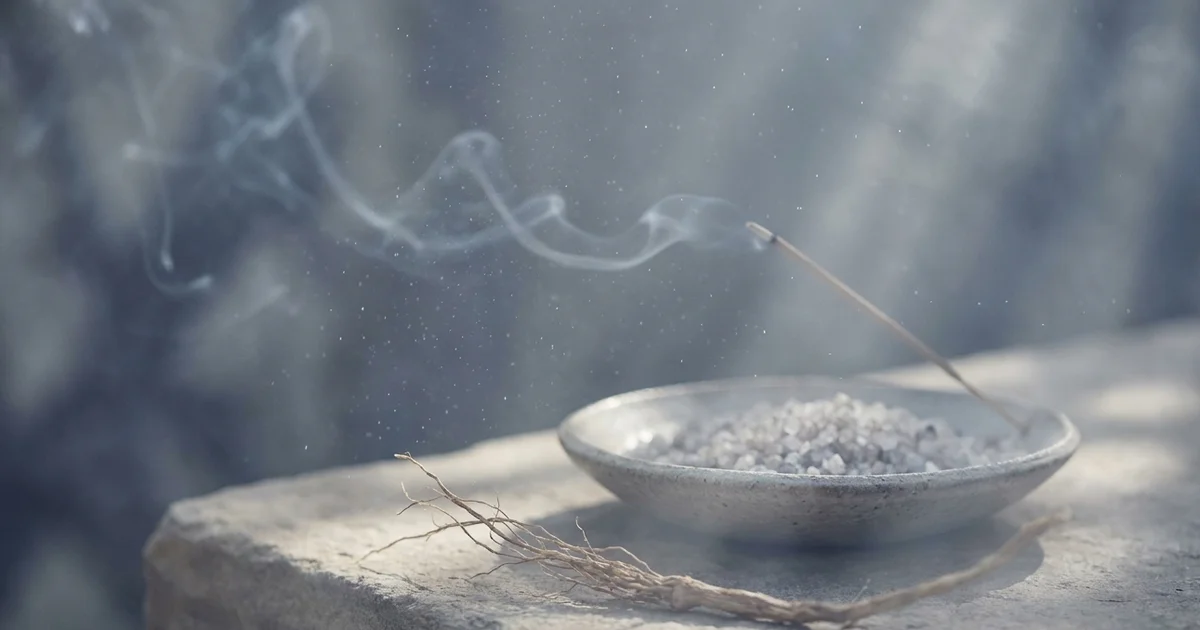
The name comes from the Japanese word oboro, meaning “hazy” or “blurry” — the kind of half-remembered impression that feels familiar but won’t come into focus. Byredo’s copy leans hard into that: “the boundary where existence and disappearance, clarity and ambiguity intersect.” You know the brief. The question is whether Epinette actually pulled it off.
What It Actually Smells Like
The note breakdown is more interesting than the poetic marketing language suggests.
Fragrance Notes
Top Notes
Middle Notes
Base Notes
Bergamot up top, cleaned up with black pepper and ginger — so you’re getting a fresh, slightly spicy opening that reads as quietly modern rather than loud. The heart is softer: peony and violet land on the powdery-floral side, and that mineral accord is the thing to watch. Mineral notes in fragrances like this usually signal either a cool, airy texture or a kind of skin-like cleanness. Given the “hazy” concept, the latter seems more likely here.
The base is where things get specific. Salted amber plus incense plus vetiver is a combination that can go several directions. On paper it sounds like it wants to be warm and faintly smoky, with that salt keeping it from going full gourmand. Vetiver keeps the whole thing grounded and slightly earthy.
Here’s the thing about Jérôme Epinette and salted amber: the Now Smell This comments section flagged it immediately. One reader wrote “Jérôme Epinette + salted amber = ambroxan bomb” and Robin’s response was essentially probably. Ambroxan — that skin-scent, slightly musky molecule that’s everywhere in niche perfumery right now — tends to show up whenever amber gets the “salted” descriptor. If Byredo’s other recent skin-forward releases are any guide, Oboro is likely built for close-skin wear, with good longevity and that slightly-too-familiar warmth that either feels like a second skin or like every other niche fragrance you’ve smelled in the last three years, depending on your tolerance.
The overall picture: a cool, mineralic floral opening that melts into an incense-touched, salted amber base. “Hazy” is actually a decent word for it — this is not a fragrance that announces itself.
How It Fits the Byredo Catalog
Byredo has made a habit of building around tension: clean versus dark, floral versus smoky, simple versus strange. Oboro seems to sit in that same register as some of their better-known work.
Byredo Blanche is the obvious reference point — a quiet white musk study that prioritizes skin-feel over projection. If Oboro’s mineral and peony heart lands the way it reads on paper, it’s probably in Blanche’s neighborhood: restrained, soft, something you have to get close to appreciate.
Byredo Bibliotheque is worth mentioning because it does a similar thing with warmth — it’s plummy and warm and slightly powdery, and the incense note in Oboro suggests there might be some overlap in feel, if not in actual smell.
Byredo Inflorescence is the lighter, springlike floral in the lineup. Oboro sounds denser and more anchored than Inflorescence, so if you want something airier, Inflorescence is probably still the one.
Byredo Sundazed went the opposite direction — deliberately casual and summery. Oboro doesn’t sound casual. It sounds considered.
The house’s original signature fragrance is still the benchmark for what Byredo does with clean and slightly uncanny. Oboro sounds like it’s working in that same space, just with more warmth and less austerity.
Should You Hunt It Down
Honestly, this depends on how you feel about the Japan-exclusive situation.
If you’re a Byredo collector, or if you specifically love Epinette’s work — he did Bibliothèque, among others — this is worth tracking down through a proxy or a reseller. The note combination is genuinely interesting, and the concept isn’t just marketing noise for once.
If you’re new to Byredo or just curious, the Japan-only barrier isn’t worth it without a sample first. There are enough ambroxan-heavy skin-scent salted-amber fragrances already. Oboro might be the best version of that idea, but you won’t know until you smell it, and right now that’s not easy to do unless you’re in Japan.
Wait for samples to circulate. They will. Someone will bring a bottle back, decants will appear, and you’ll be able to make a real call. The hype window on Japan-exclusives tends to be short — the frantic proxy-buying settles down within a few months, and the fragrance gets evaluated on its actual merits. That’s the moment to decide.