Fragrance 101
What Is a Fragrance Flanker? Why Brands Keep Releasing 'New' Versions
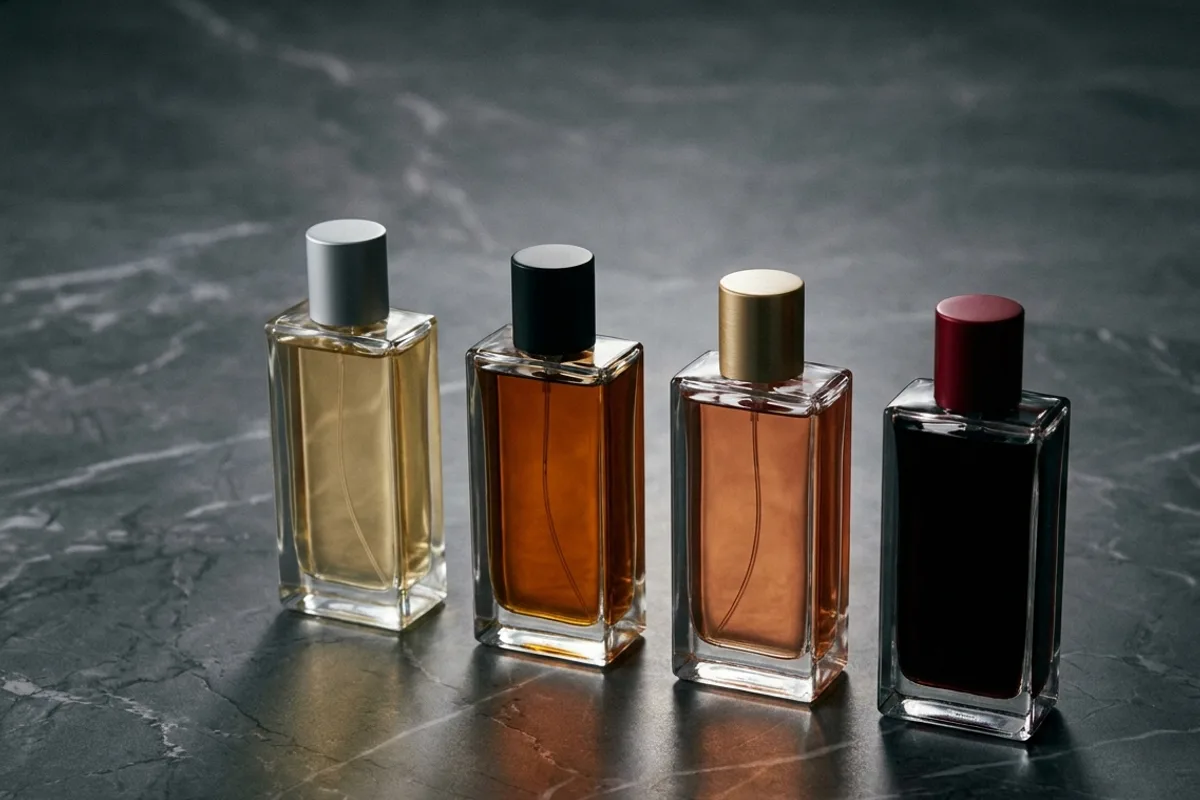
Dior Sauvage Eau de Toilette
A flanker is a new fragrance that borrows an existing release’s name, bottle design, and brand recognition instead of launching under a fresh identity. Sauvage Elixir, Black Opium Extreme, Coco Mademoiselle Intense: all flankers. Same family name, different formula underneath.
Why “Flanker” and Not Just “New Fragrance”
The word comes from military formation language: a unit that flanks the main line rather than replacing it. In fragrance, that’s literal: a flanker sits next to the original on shelf, both still for sale, both wearing variations of the same bottle. Dior didn’t retire Sauvage EDT when Sauvage Parfum came out. It added a second option that flanks the first.
That’s the tell that separates a flanker from a reformulation. Reformulation changes a fragrance quietly, keeping the same name and (usually) the same bottle, often because an ingredient got restricted by IFRA or got too expensive. A flanker is loud about being new. It gets its own launch, its own bottle color, its own name suffix.
Why Brands Do This Instead of Making Something New
Launching a genuinely new fragrance from zero is expensive and risky: new bottle mold, new marketing budget, no guaranteed name recognition. A flanker skips most of that. The name is already known, the customer base already exists, and the brand just needs a formula variation and a new cap color to justify a new listing on shelf.
- It lets a brand hit a different price tier or season without diluting the original’s identity (an “Intense” or “Elixir” flanker often signals winter/evening wear, while the base version stays the daytime default).
- It captures customers who loved the original but want more longevity, more sweetness, or less of a specific note.
- It’s dramatically cheaper to develop than an entirely new fragrance line, since a flanker usually starts from the original’s actual formula and adjusts concentration or a handful of notes.
The Sauvage Family, as a Working Example
Dior Sauvage is one of the clearest flanker trees in modern fragrance. It launched as an EDT, then Dior added Sauvage Parfum years later: heavier, warmer, built around a more concentrated ambroxan base rather than the EDT’s brighter citrus opening.
Sauvage Elixir followed as an even more concentrated extrait-strength version, explicitly aimed at people who found even the Parfum too light for winter wear. Each one keeps the “Sauvage” name and the recognizable bottle silhouette, which is exactly the point — you’re buying into brand equity you already trust, in a formula tuned for a different moment.
For the actual notes-and-longevity breakdown between the two, Sauvage Parfum vs Sauvage EDT has the side-by-side.
When a Flanker Is Worth Buying, and When It’s Not
A good flanker changes something real: concentration, a shifted note balance, a genuinely different season or occasion fit. A lazy one changes almost nothing except the cap color and the price, banking entirely on the original name to move bottles. Lines with ten or more flankers (a few of the biggest designer names are well past that count) are the ones worth being skeptical of. At that point you’re often paying for a marginally different bottle of something you could already buy.
The honest test: read the actual notes list, not just the name. If “Intense” changes two base notes and bumps the concentration a few points, that’s real. If it changes nothing you can identify beyond the label, skip it and save the difference for the original.
Ready to Buy?
Here are our top recommendations from this article.
Not sure which fragrance is you?
Take our 90-second quiz — seven questions, three picks.
Related Coverage
Compare
Dior Sauvage Eau de Toilette vs Dior Sauvage
These are literally the same fragrance line in different concentrations, so the real question is which version of Sauvage actually suits your lifestyle better.
Compare
Dior Sauvage Parfum vs Dior Sauvage Eau de Toilette
Both are from the same iconic Sauvage lineage, so the real question is whether the extra richness and depth of the Parfum is worth it over the fresh, crowd-pleasing original EDT.
Compare
Dior Sauvage Parfum vs Dior Sauvage
These two share the same DNA and even the same bottle, so the real question is whether the upgrade to parfum concentration is worth it for you.