Culture & History
Oil Perfumery: Affordable Oil-Format Dupes of Designer Fragrances
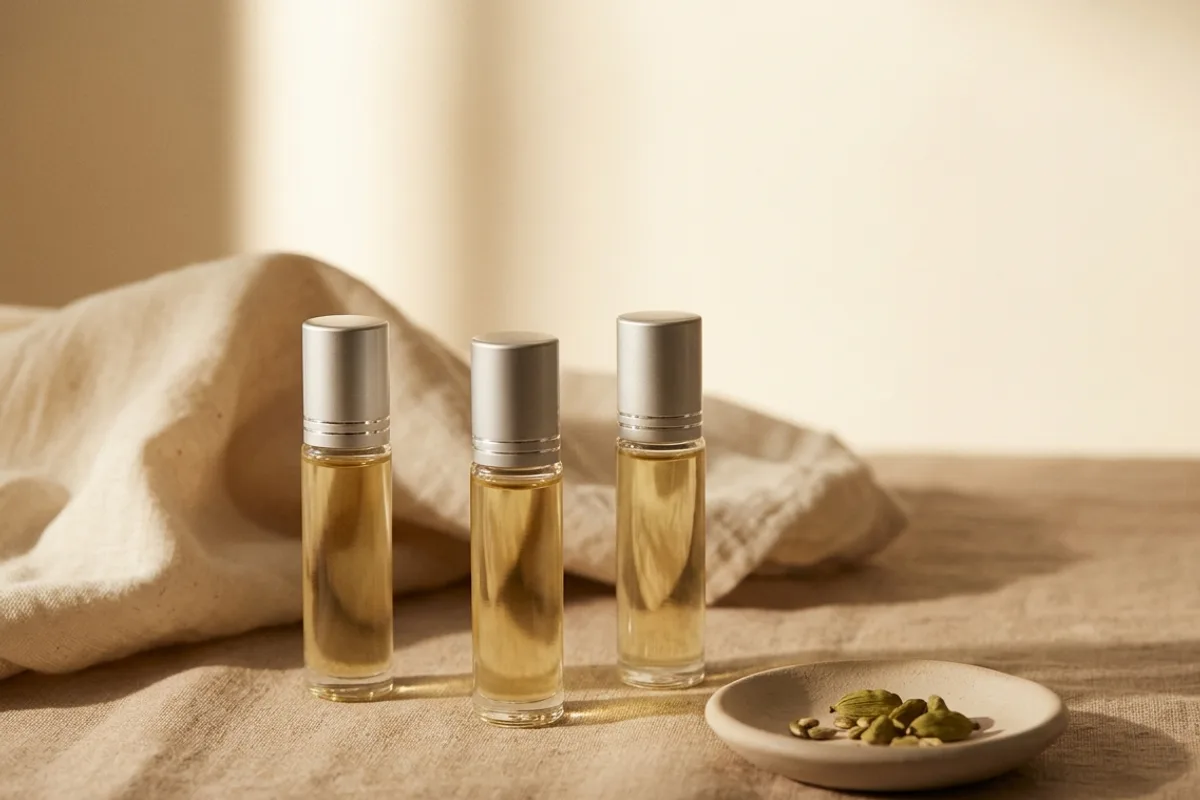
Oil Perfumery is the second mainstream player in the oil-format dupe category, alongside CA Perfume. Their pitch is straightforward: alcohol-free perfume oils interpreting a wide span of designer and niche-luxury fragrances, sold direct through their website at noticeably lower per-bottle prices than the alcohol-based DTC houses.
If dupe houses are new territory generally, the rise of dupe houses covers the category.
The model
Oil Perfumery operates through its own DTC website, with regional storefronts for different markets. The catalog is large and growing — well over 200 active impressions across men’s, women’s, and unisex collections. Pricing is at the low end of the format: a 10ml roll-on commonly sits around the price of a budget designer cologne, with bundle discounts at higher tiers.
Every product is labelled “Our Impression of [Original]” — explicit comparison framing, same as the DTC houses. The brand reference set is unusually broad: Chanel, Dior, Creed, MFK, Tom Ford, Le Labo, Montale, Versace, Calvin Klein, Yves Saint Laurent, Van Cleef & Arpels, Guerlain, and many more. Some interpretations are spray-format; the bulk are roll-on oils.
Two formats, same lineup
Like CA Perfume, Oil Perfumery sells both alcohol-free oils and alcohol-based sprays of many of the same scents. The oils are the brand’s identity and where the catalog goes deepest; the sprays cover a subset of the top sellers. Customers who want the projection of a traditional spray can get it on the popular references; customers committed to oils get the full catalog.
The oil format wears the same way it does anywhere: longer skin-wear (typical 8-10 hours), lower projection, no top-note alcohol brightness. Roll-on application is portable and TSA-friendly. The oil base also makes Oil Perfumery a real option for buyers who avoid alcohol-based fragrance for religious or sensitivity reasons.
Signature Scents
Impression of MFK Baccarat Rouge 540
The single most-cited Oil Perfumery scent. Saffron, jasmine, ambroxan, cedar — the BR540 accord in oil concentration. Match-quality reviews put it competitive with CA Perfume’s Impression of the same fragrance, with each having slight edges depending on what you weigh — Oil Perfumery slightly truer to the heart, CA slightly stronger in the base.
Impression of Tom Ford Tobacco Vanille
The Tobacco Vanille category is one of the most-duped in the entire category. Oil Perfumery’s interpretation hits the tobacco-vanilla-cocoa-fruit core well; the oil format suits Tobacco Vanille better than it suits citrus-forward references because the deep base notes are what carry. A regularly-recommended starting point for the oil-format newcomer.
Impression of Tom Ford Black Orchid
Black Orchid is a tricky reference — dark florals, truffle, patchouli, dark chocolate — and many interpretations flatten the complexity. Oil Perfumery’s version is one of the better mainstream takes; reviewers and journalists have called it indistinguishable from the original in blind comparison. The oil format actually flatters this scent profile, where the lush, base-heavy character is what people remember.
Impression of Creed Aventus
Every dupe house attempts Aventus. Oil Perfumery’s interpretation captures the pineapple-birch-musk shape but loses some of the original’s projection in the oil format — Aventus is built around opening freshness and projection, both of which oils structurally underdeliver on. If Aventus specifically is your target, Armaf’s Club de Nuit Intense Man is the cheaper alcohol-spray option that performs closer to the original.
Impression of Le Labo Santal 33
Santal 33’s leathery sandalwood-cardamom translates well to oil — the heart is base-note-heavy and the oil amplifies the lingering sandalwood. A solid choice if you want the Santal 33 character close to the skin.
Strengths
- Low entry price. 10ml roll-ons are budget-tier, with bundles bringing the per-unit cost lower. Cheapest way to experiment broadly across luxury references.
- Deep catalog. Across 200+ impressions, almost any major luxury reference has a match. Easier to find your specific target scent here than at most other oil houses.
- Direct comparison framing. Every product page tells you the reference. No guesswork.
- Spray format available on hits. If you want to test the oil character first and graduate to a spray on the same scent, you can do that without leaving the brand.
Weaknesses
- Quality varies across the catalog. As with any deep-catalog dupe house, the hits are excellent and the misses are forgettable. The Tom Ford and MFK interpretations get most of the praise; some Le Labo and Creed interpretations are weaker.
- Lower projection than alcohol-based dupes. A structural limit of the oil format. If projection is a priority, the alcohol-based DTC houses are the better answer.
- Catalog isn’t curated. With 200+ scents, picking which to try takes some research. The brand’s own “best sellers” page is a reasonable starting filter, but third-party reviews fill in the rest.
Where Oil Perfumery fits
If you want oil-format interpretations of luxury fragrances, you have two real options at mainstream scale: Oil Perfumery and CA Perfume. The differences are subtle:
- Oil Perfumery wins on catalog depth (more brand references covered) and entry price (cheaper per ml).
- CA Perfume wins on packaging consistency, brand polish, and the recent dual-format expansion.
Both are worth knowing if oil-format fragrance is the goal. For pure spray-format alcohol-based interpretations, Dossier and ALT Fragrances are the DTC entry points; Lattafa and Armaf are the cheaper marketplace alternatives.
Not sure which fragrance is you?
Take our 90-second quiz — seven questions, three picks.
Related Coverage
Guide
ALT. Fragrances: The DTC Dupe House With an Editorial Eye
What makes ALT. Fragrances different from Dossier, the catalog they've built, and where they fit.
Guide
Armaf: The UAE House Behind Club de Nuit and the Aventus Dupe Wars
How Armaf's Club de Nuit Intense became the most-recommended Aventus dupe, what else in their catalog is worth attention, and where they fit in SC's path.

Guide
CA Perfume: Affordable Amazon Dupes in Spray and Oil
How CA Perfume built a dual-format catalog of luxury-fragrance interpretations sold primarily on Amazon, and where their best work actually lives.